Zambian Election Fever: Chaos, Threats, and Fasting as Campaigns Hit Climax!
Zambia is grappling with political tensions ahead of the next election, marked by controversies surrounding inflammatory speech, allegations of state institution abuse against opposition parties, and calls for national unity and reform. Amidst these challenges, civil society and religious leaders are advocating for peace and institutional strengthening, while the government emphasizes the paramount importance of safeguarding human life and maintaining national stability.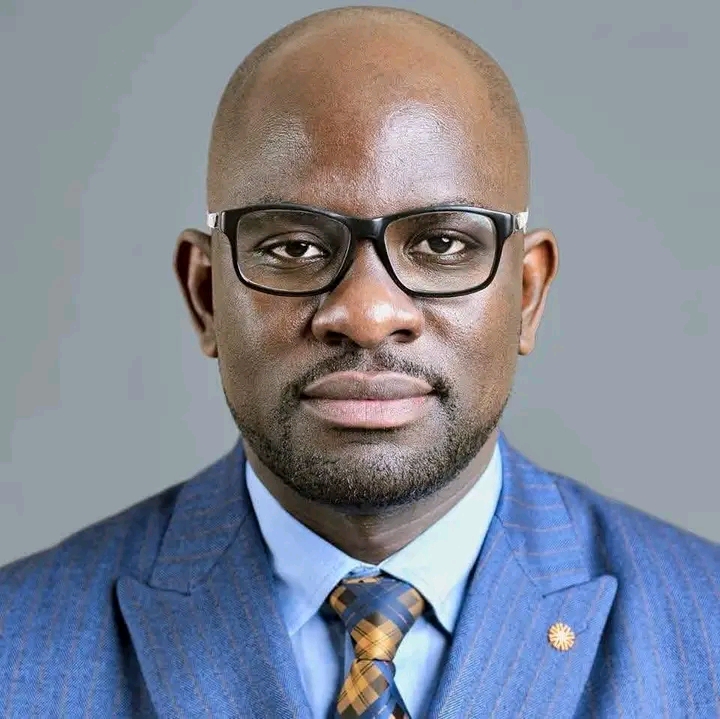
Zambia is currently navigating a period of heightened political tension and a crucial push for national unity and institutional reform ahead of upcoming elections. State House Chief Communications Specialist Clayson Hamasaka expressed grave concern over statements that appeared to encourage the taking of human life, particularly as the nation prepares to vote. This followed a controversy involving Mpundu, a former Nkana member of parliament, who posted a video on Facebook suggesting he was prepared to “die” or “kill” over the election. Mpundu initially claimed the video was AI-generated but later recanted, attributing his remarks to self-defence and criticizing his media team for the AI claim. National Restoration Party presidential candidate Brian Mundubile had, meanwhile, urged Zambians to disregard the video, describing it as AI-generated.
Hamasaka underscored the importance of rejecting electoral violence, intimidation, and hate speech, reminding political leaders of their moral responsibility to protect peace. He stated that “Every human life is precious. No election, no political contest, no disagreement is worth a single life.” The conflicting explanations from Mpundu were noted as troubling, with Hamasaka asserting that political leaders must take ultimate responsibility for their public statements, as “Artificial intelligence did not put those words on the national stage. Leaders did. And artificial intelligence cannot take responsibility. Only leaders can do that.” He called for a lowering of political temperature and prioritizing Zambia’s peace above partisan interests, declaring, “The 2026 election will be peaceful, because the Zambian people have chosen peace. Zambia is bigger than any candidate, any party and any election.”
Amidst these calls for peace, allegations of state institution abuse and campaign interference have emerged. Brian Mundubile accused the Drug Enforcement Commission (DEC) of attempting to polarize his party’s operations ahead of the elections. George Chisanga, a lawyer associated with the Tonse Alliance, recounted a “gruesome operation” by a joint team of DEC, Police, and the Anti-Corruption Commission at his law practice. He, Japhen Mwakalombe, and Sebastian Kopulande were held incommunicado for hours, their premises searched, and K7,398,500—intended for poll monitors, agents, and rallies in Mazabuka, Livingstone, and Choma—was seized. Chisanga maintained there was no criminality, providing documentation for the funds, but the money was confiscated. He and two colleagues were summoned to the DEC, interpreting these actions as an attempt by the UPND (ruling party) to “decapitate the Tonse Pamodzi Alliance” by targeting their election monitoring units with what he described as frivolous charges.
Further political friction was evident in claims made by Mundubile regarding campaign environments. He alleged that Southern Province was