From Pledge to Action: Understanding Nigeria’s Updated Climate Plan Under the Paris Agreement
Nigeria has submitted an updated climate action plan under the Paris Agreement. This article explains what the commitment contains, why it matters, and how it affects everyday lives, businesses, and future development.
When Nigeria submitted its updated climate action plan to the United Nations in September this year, it did not come with dramatic headlines or emergency press briefings. Yet the document, officially known as a Nationally Determined Contribution (NDC) carries long‑term implications for how the country produces energy, grows food, protects communities, and plans its economic future. At its core, the submission is Nigeria’s formal commitment under the Paris Agreement, the global climate accord coordinated through theUnited Nations Framework Convention on Climate Change (UNFCCC).
Every country that signed the Paris Agreement is required to periodically submit or update its NDC, outlining how it plans to reduce greenhouse gas emissions and adapt to the effects of climate change.
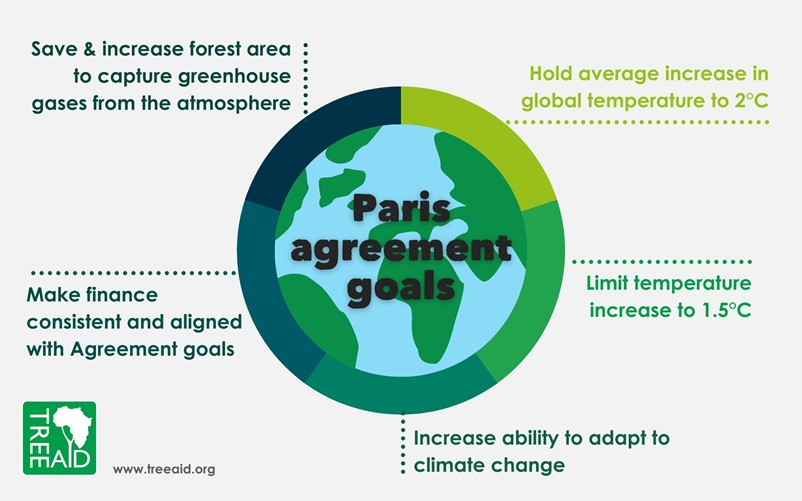
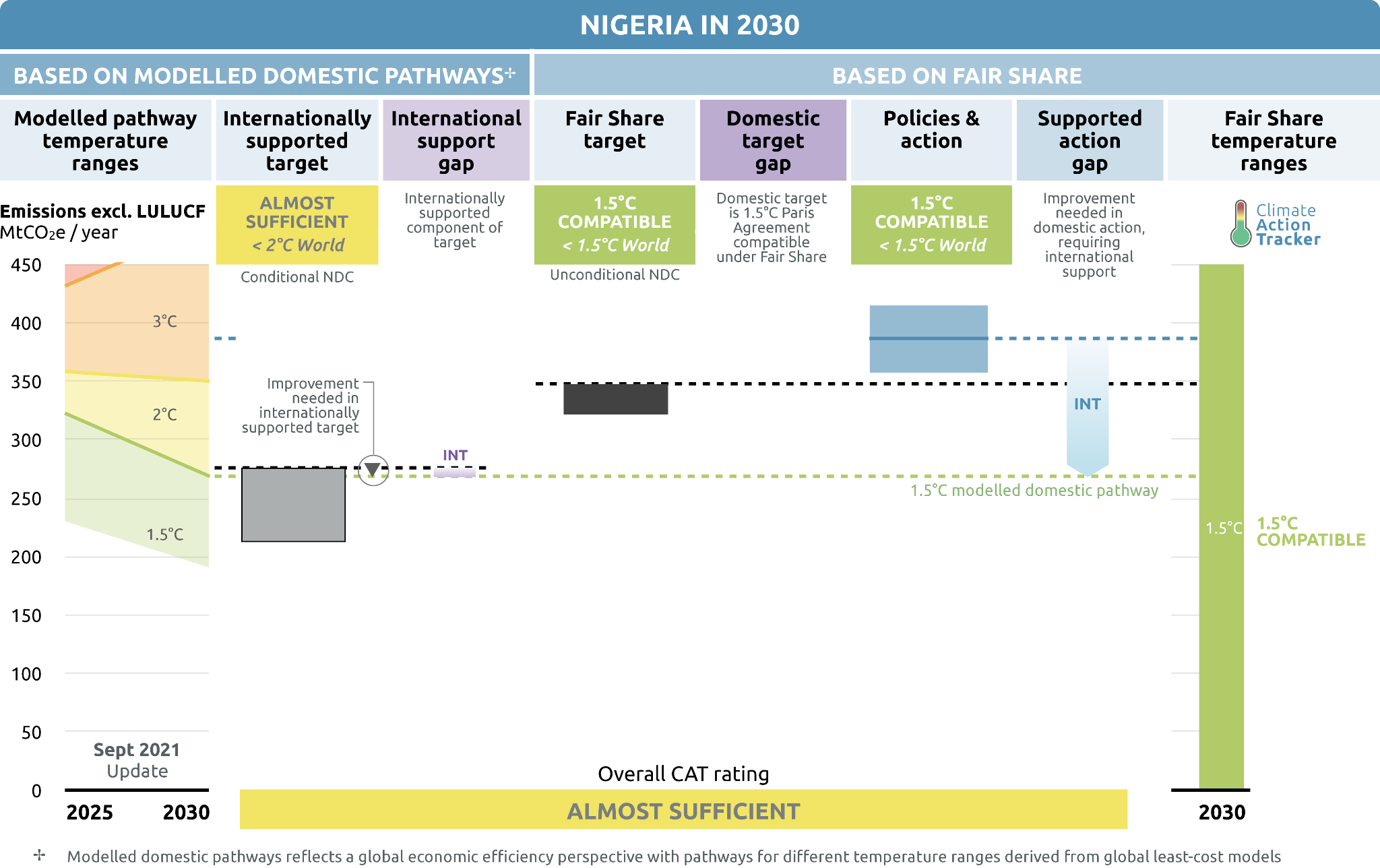
Nigeria’s latest submission, the third generation of its climate action plan, known as NDC 3.0 was formally lodged in September 2025 and builds on earlier pledges dating back to 2015. In the document, Nigeria commits to reducing greenhouse gas emissions by 29 percent by 2030 and 32 percent by 2035 compared with 2018 levels, while affirming a long‑term goal of net‑zero emissions by 2060.
The updated plan also provides insight into how climate policy is meant to filter into key sectors of the Nigerian economy. Energy, oil and gas, agriculture, forestry, transport, and waste management are identified as priority areas for emissions reduction, while adaptation measures focus on flooding, heat stress, water scarcity, food systems, and public health. These issues are not theoretical: from recurrent flooding in coastal and riverine areas to prolonged dry spells affecting farming communities, climate impacts are already shaping life in many parts of the country. Nigerian media coverage has consistently highlighted how environmental pressures are affecting livelihoods and infrastructure across the country.
The Climate Plan Matters Beyond Diplomacy

While the submission is part of an international obligation, its real significance lies closer to home. Nigeria’s updated NDC is anchored in the national legal framework provided by theNigeria Climate Change Act, 2021, which gives legal backing to climate action and requires government institutions to integrate climate considerations into planning and reporting. By submitting this updated plan, Nigeria places its climate intentions on both an international record and reinforces domestic expectations for policy alignment.
In practical terms, this means future decisions on energy projects, agriculture programmes, transport systems, and land use can be measured against the goals outlined in the climate plan. The document does not promise instant results, but it creates a benchmark for accountability and implementation.
What Nigeria’s Climate Commitments Mean for Ordinary Citizens, Businesses, and Future Development
Beyond international reporting and government targets, Nigeria’s updated climate plan has tangible implications for everyday life and economic activity. For ordinary citizens, the plan signals a future where energy production, transportation, and urban planning increasingly consider environmental impact.
Efforts to expand renewable energy, reduce deforestation, and improve waste management could lead to cleaner air in cities, more reliable electricity from solar and other renewable sources, and better‑managed public spaces. These changes are not just environmental gestures, they influence health, comfort, and quality of life across communities.
For businesses, particularly those in energy, agriculture, and manufacturing, the NDC offers both a roadmap and a set of expectations. Companies may face new standards or incentives linked to emissions reductions, efficiency improvements, or sustainable practices. At the same time, sectors like renewable energy and green technology could see new opportunities for growth and investment as Nigeria aligns its economic trajectory with its climate goals.
In terms of broader development, Nigeria’s commitments aim to integrate climate resilience into infrastructure, agriculture, and water management. Flood‑prone areas, drought‑affected regions, and coastal communities stand to benefit from improved planning and adaptation strategies that are increasingly considered essential for sustainable growth.
By linking climate goals with national development objectives, the NDC frames climate action as a foundation for long‑term economic stability, disaster risk reduction, and social well‑being. In this sense, the plan transforms abstract international pledges into concrete considerations that will affect policy, investment, and daily life across the country for years to come.
Challenges and Opportunities: How Nigeria Can Turn Climate Commitments into Real Action
While Nigeria’s updated climate plan sets out clear targets and priorities, turning these commitments into reality comes with both challenges and opportunities. One major hurdle is funding. Implementing climate projects from renewable energy expansion to flood mitigation infrastructure requires significant investment, and much of it depends on both domestic budgets and international support. Ensuring that allocated funds reach the communities and sectors that need them most remains a critical step.
Another challenge lies in coordination across government ministries and agencies. Climate action intersects with multiple sectors: energy, agriculture, transport, water, and urban planning, among others. Without strong collaboration and clear accountability mechanisms, well‑intentioned policies risk becoming fragmented or delayed.
The Climate Change Act provides a framework for coordination, but consistent follow‑through will be key to achieving measurable results.
At the same time, the updated NDC presents tangible opportunities. Expanding renewable energy infrastructure could reduce dependence on fossil fuels while creating jobs and stimulating local industries. Sustainable agriculture and forestry practices can protect food security, restore degraded land, and open new markets for eco‑friendly products. Adaptation measures in vulnerable areas, like flood‑prone cities or drought‑affected northern states, can improve resilience while safeguarding livelihoods.
The plan also encourages private‑sector engagement, highlighting that businesses can play a crucial role in achieving climate goals. From investing in green technologies to adopting energy‑efficient practices, companies have a chance to align profitability with environmental responsibility. Similarly, civil society and local communities can participate in climate projects, ensuring that solutions reflect on‑the‑ground realities.

Ultimately, the success of Nigeria’s climate commitments will depend not only on what is promised on paper, but on how effectively the country mobilizes resources, coordinates institutions, and engages citizens and businesses. The NDC provides a roadmap, but the journey from international pledge to measurable impact is where the true test lies and where the potential benefits for both people and the economy are greatest.