Food as Fashion: How Milk Became A Wearable Fabric
In the 1930s, scientists turned milk protein into soft, wearable fabric called Lanital and Aralac, creating real clothes that nearly replaced wool in Europe. Read to know how and why this was done.
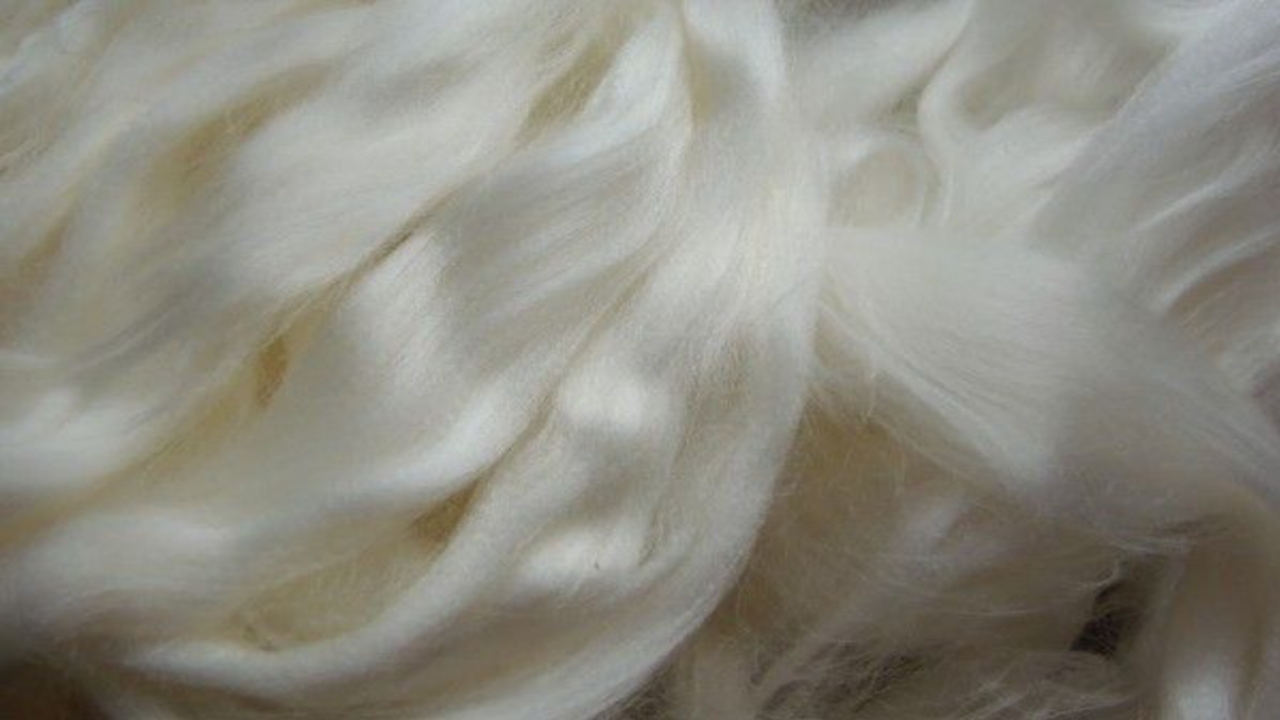
Fashion has never drawn its materials from beauty alone. It has always borrowed from necessity, science, and moments of pressure when the familiar stops working. Cotton became dominant because empires needed plantations.
Synthetic fibers exploded because oil was cheap and war demanded alternatives. Milk based fabric belongs to this same lineage, not as a quirky experiment, but as a serious industrial response to economic and material constraints that reshaped twentieth century fashion.
The idea of turning milk into cloth did not emerge from creative eccentricity. It emerged from a scientific understanding of protein fibers and a political urgency to replace scarce resources.
What makes the story compelling is not that milk became wearable, but that fashion once looked at food chemistry and saw a textile future.
This is where milk cloth truly begins.
Casein and the Science Fashion Rarely Talks About
At the center of milk fabric is casein, the dominant protein in milk, responsible for curd formation during cheese production.
Long before it entered fashion, casein was already industrially valuable. It had been used in adhesives, paint binders, paper coatings, and early plastics, proving that it could be hardened, shaped, and stabilized.
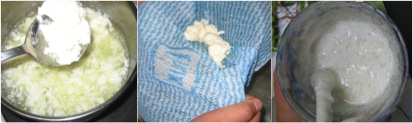
Textile scientists noticed something important. Wool and silk are also protein based fibers. Their strength, elasticity, and ability to hold dye come from long molecular chains that behave predictably under tension.
Casein shared similar molecular properties. With the right chemical treatment, it could be dissolved into a viscous solution and extruded through spinnerets to form continuous filaments.
This process placed milk fiber within the same technological family as rayon, even though its biological origin was entirely different.
The result was not milk soaked cloth, but a regenerated protein fiber engineered through controlled chemistry.
Fashion was not dabbling. It was industrializing.
Italy, Fascism, and the Politics of Fabric
Milk fabric cannot be separated from the political climate that enabled it.
In 1930s Italy, economic self sufficiency was a state priority. Imported wool and cotton drained foreign currency, and sanctions tightened access to global markets.
The regime pushed aggressively for domestic alternatives that could be produced from local resources.
This environment allowed chemist Antonio Ferretti to develop Lanital, a milk based textile whose name deliberately fused wool and national identity.


Lanital was framed as a modern Italian invention that reduced dependence on foreign materials while keeping textile factories running.
The fiber was promoted not as a novelty, but as a legitimate replacement for wool in clothing, blankets, and knitwear. Fashion houses and manufacturers adopted it because they had few other choices.
Germany followed a similar path with Aralac, using casein fibers to support domestic textile production during wartime shortages.
Milk cloth did not rise because it was fashionable. It rose because it was politically useful.
How Milk Became Wearable at Scale
The industrial process behind milk fabric was complex and resource intensive. Skimmed milk was acidified to separate casein from whey.
The protein was washed, dried, and dissolved in alkaline solutions to create a thick spinning fluid. This solution was forced through microscopic holes into chemical baths that re solidified the protein into fibers.
These fibers were stretched, aligned, and treated to increase strength before being spun into yarn. Once woven, the fabric could be dyed, cut, and sewn using existing garment infrastructure.
The final cloth had a smooth surface, excellent dye uptake, and a soft drape that made it appealing for garments worn close to the skin. Contemporary reports consistently praised its tactile quality, often describing it as silk like or cashmere adjacent.
Fashion accepted milk cloth because it behaved like fabric, not because it sounded clever.
The Material Limits Fashion Could Not Ignore
Despite its promise, milk fabric had structural weaknesses that became impossible to ignore once material shortages eased.
Protein fibers derived from casein were sensitive to moisture and heat. Repeated washing degraded their integrity. Exposure to humidity reduced tensile strength. Garments aged faster than wool or cotton, particularly in everyday use.
The economics were equally problematic. Producing fiber at scale required enormous volumes of milk. As post war Europe faced food shortages and agricultural recovery, diverting milk into textiles became politically and morally contentious.
When petroleum based synthetics entered the market, the comparison was brutal. Nylon and polyester were cheaper, stronger, water resistant, and infinitely scalable. They did not compete with food systems and they aligned perfectly with industrial mass production.
By the mid twentieth century, milk fabric was not defeated. It was outcompeted.
Why Fashion Is Looking Back Now
The modern revival of milk fabric is not nostalgic. It is corrective.
Synthetic fibers solved durability and cost problems, but they introduced environmental consequences that fashion can no longer ignore. Microplastic pollution, non biodegradable waste, and energy intensive production have forced designers and material scientists to revisit abandoned textile paths.
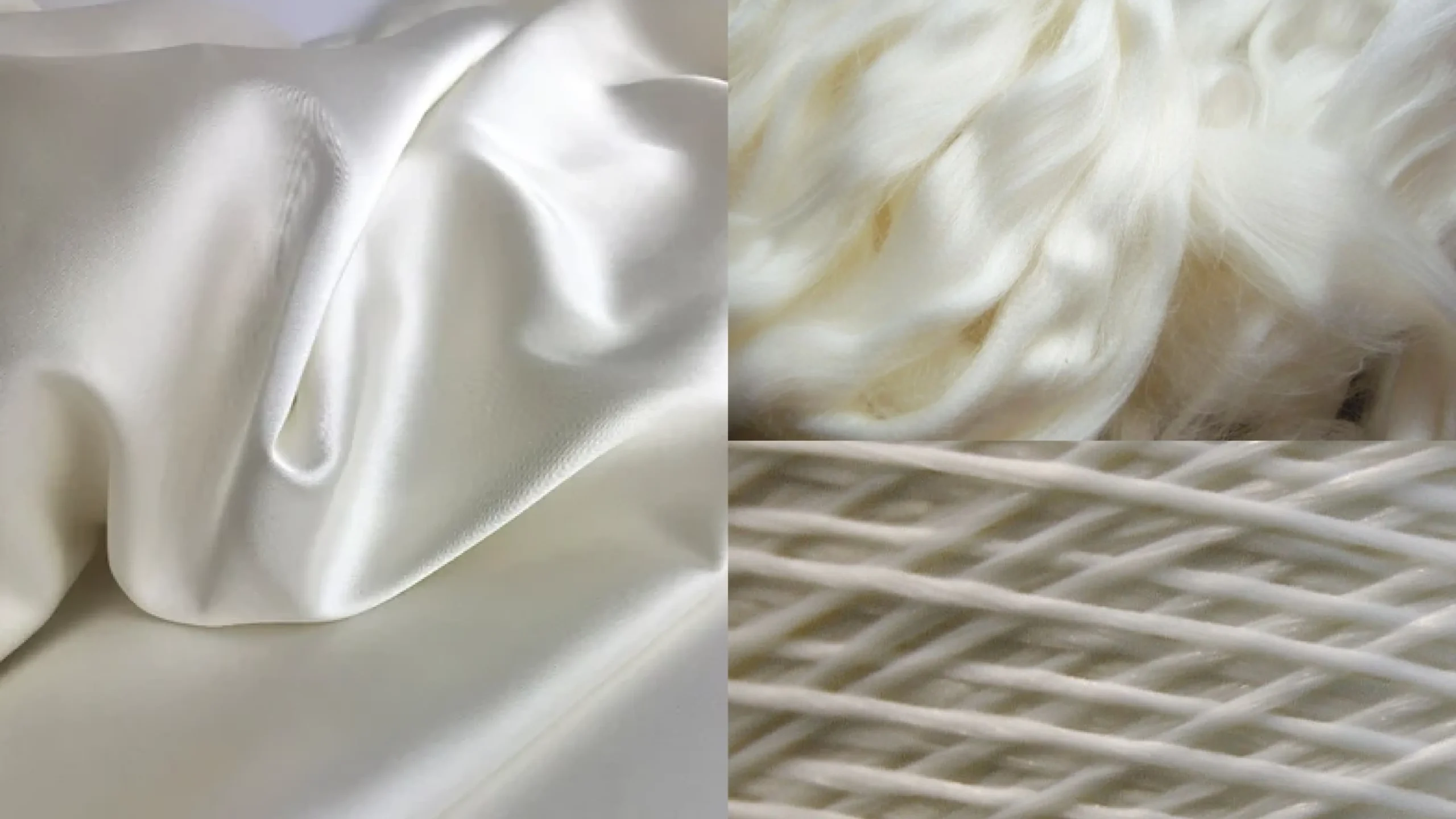
Modern milk fiber differs significantly from its predecessor. It is typically produced from expired or waste milk, not food grade supply. Advances in polymer chemistry have improved fiber stability, wash resistance, and blending compatibility with other textiles.
Milk fiber today is rarely used alone. It is combined with cotton, modal, or other regenerated fibers to balance softness with durability.
Its return reflects fashion’s broader shift toward circular material thinking, where waste streams are reimagined as inputs rather than discarded liabilities.
Where Milk Fabric Fits in Contemporary Fashion
Milk fiber occupies a specific niche rather than a universal role.
It appears most frequently in garments where softness and skin sensitivity matter more than abrasion resistance. Loungewear, underwear, infant clothing, and lightweight tops benefit from its smooth texture and breathability.
Luxury and sustainable fashion brands use it selectively, often positioning it as a sensory material rather than a performance fabric. Its cost and limited durability prevent it from replacing mainstream textiles, but its presence signals experimentation within responsible material sourcing.
Milk fabric is not a solution fabric. It is a conversation fabric.
What Milk Cloth Ultimately Reveals About Fashion
Milk fabric matters not because it will dominate wardrobes, but because it exposes how fashion innovation actually works. Progress is not linear. Materials rise, fall, and return when conditions change.
Milk once became cloth because the world lacked options. It returns now because the world has too many consequences.
Fashion has always borrowed from science, scarcity, and survival. Milk cloth simpreminds us that the industry’s most radical ideas often emerge not from trends, but from pressure, and that the future of fashion may depend less on invention than on remembering what was once possible.