FIFA Says Nigeria Isn't Ready to Host the World Cup. What Would It Actually Take To Host One?
Nigeria wants to host the FIFA World Cup, but is she anywhere near ready? Gianni Infantino's verdict raises questions about the country's infrastructure and what it would actually take to host football's biggest tournament.
BREAKING: Nigeria to Host the 2030 FIFA World Cup!
I know. This is an announcement we all want to wake up to. Imagine Nigeria welcoming football fans from across the world, filling its stadiums and becoming the centre of the world's biggest sporting celebration. Lovely, isn't it?
But sorry to burst your bubble. It isn't happening anytime soon.
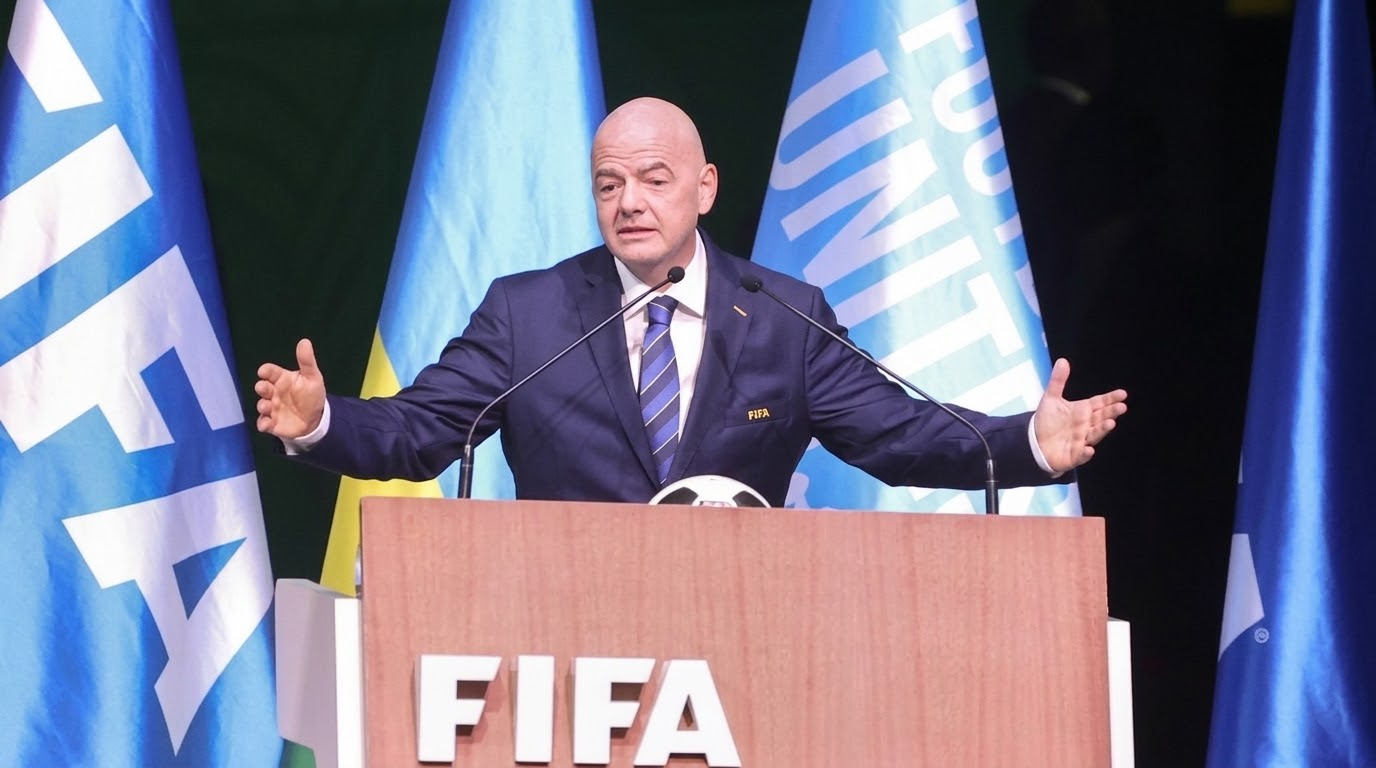
FIFA President Gianni Infantino said Nigeria isn’t ready to host the World Cup. Yeah, yeah. It is not an insult, so you have no reason to be offended. Even we Nigerians know this too. It is the truth about how unprepared we are to host a tournament of that magnitude.
Before anyone starts composing angry replies, let us be honest: loving football is not the same as hosting the World Cup. We can fill viewing centres for Super Eagles matches. None of that builds an airport or gets thousands of visitors across a city on time.
Infantino’s answer was brief: “Today, no. But tomorrow, why not?” Speaking to ARISE News in Abuja, he pointed to stadiums, airports and transportation as areas where Nigeria needs investment.
He also acknowledged the country’s resources and potential. So, what does hosting the World Cup actually require, and how far is Nigeria from meeting that standard?
A World Cup Is Not a Football Match With a Bigger Crowd
Let us start with stadiums, because that is where many people’s imagination stops. A country announces that it has a stadium, shows us a beautiful photograph and suddenly we are discussing hosting rights. A stadium is not World Cup-ready simply because it has seats and a pitch.
FIFA’s 2026 bidding guide indicated the scale: 40,000 net seats for most matches, 60,000 for semi-finals and 80,000 for the final and opening match. These figures were specific to that bidding process. Venues must meet demanding standards.
Capacity is only the beginning. Stadiums need facilities for players, officials, media and supporters. Teams need training sites and accommodation. FIFA’s 2026 guide listed 48 team base-camp training sites and 48 base-camp hotels. A host country needs a connected system, not one impressive building.
Nigeria has football grounds, and some are being renovated. Infantino praised projects he visited in Abuja and Warri. But Warri City Stadium has a reported capacity of 15,000, while the Abuja project is a national training centre, not a World Cup match venue.
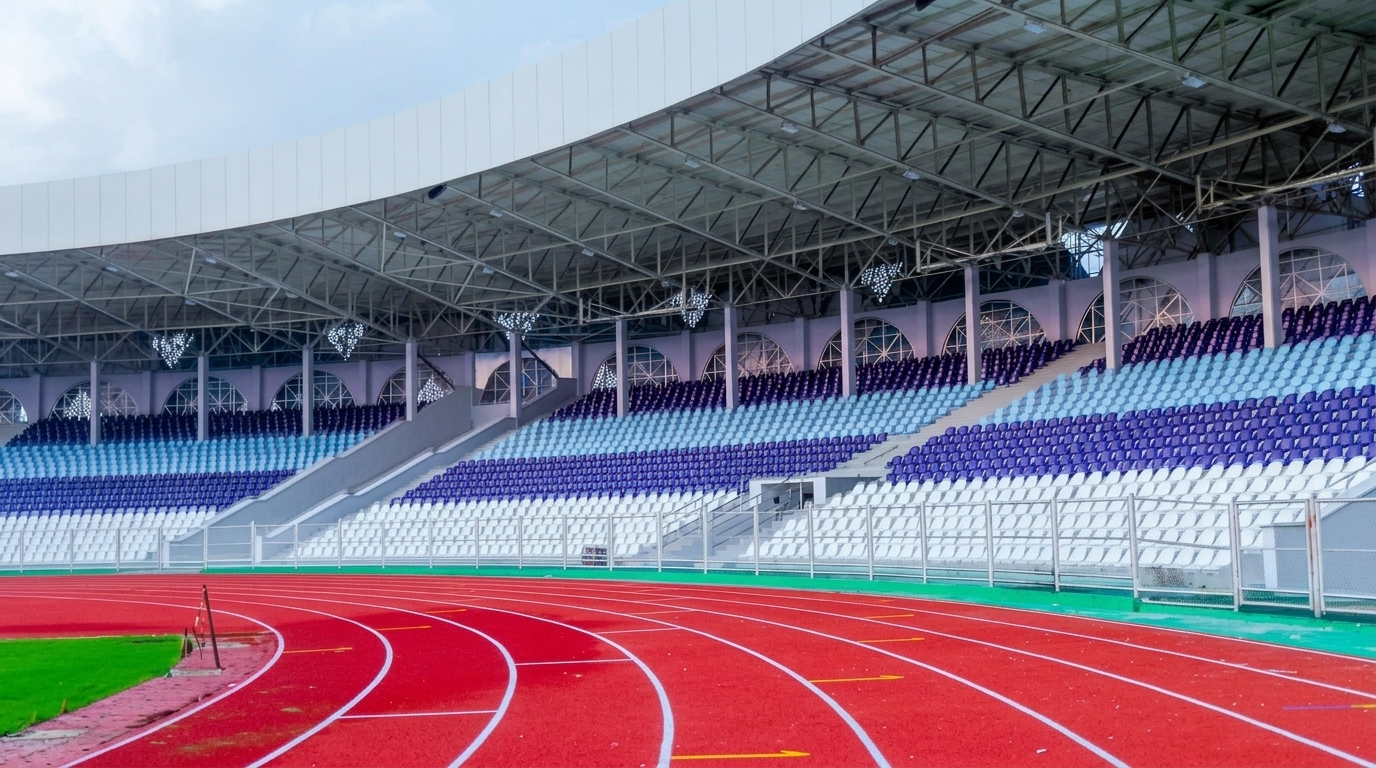

These projects may strengthen football development; they do not prove Nigeria has enough tournament-ready stadiums.
A World Cup brings teams, officials, journalists, sponsors and supporters from across the world. Airports must process large passenger volumes efficiently, and visitors must reach hotels, training grounds and stadiums without every journey becoming an endurance test.
Hotels are not an afterthought. Teams need suitable accommodation, while supporters need enough rooms across host cities. Transport links must connect these places. A stadium that is difficult to reach creates problems long before kick-off.
The Country Outside the Stadium Is Also Important
Even with the required stadiums, the tournament would depend on everything around them. Electricity, water, telecommunications, sanitation, healthcare, emergency response and public safety are part of the machinery that makes a major event work.
Think about the visitor’s experience. You land, travel to your hotel, communicate, access basic services and get to a match. If electricity is unreliable, roads are unpredictable and public services are stretched, the stadium cannot solve those problems.
A tournament depends on a city functioning beyond the match.
Hosting rights should not be treated as a trophy for politicians to display. They are a commitment to deliver: coordination between governments, credible budgets, clear responsibilities, deadlines and independent monitoring.
The public should know what is complete, what remains unfinished and how money is spent.
We should not confuse construction announcements with readiness. A project being unveiled, funded or started is not the same as infrastructure being completed, tested and available.
Nigeria has seen enough ribbon-cutting ceremonies to understand the difference. The real measure is whether a facility works consistently, not how impressive it looks on launch day.
What happens when the tournament ends? Stadiums, roads and terminals need repairs and operating money. If they are neglected, taxpayers inherit expensive structures with little public value.
A credible bid must explain who will maintain them, how they will be funded and how communities will benefit.
This is where Nigeria's political culture deserves scrutiny. Governments often celebrate the announcement of projects as though the announcement itself were an achievement.
But infrastructure is not a campaign promise or a photograph taken beside a newly commissioned building. It is something people should be able to use years after the officials who approved it have left office.
So, What Exactly Are We Waiting For?
Nigeria is not new to hosting international football. It staged the FIFA World Youth Championship, now known as the Under-20 World Cup, in 1999 and the Under-17 World Cup in 2009. But those tournaments were not the senior men’s World Cup.
Africa has hosted that competition only once, when South Africa staged it in 2010. Morocco, Spain and Portugal are set to host the 2030 edition, with three centenary matches taking place in Uruguay, Argentina and Paraguay.
Those examples show the scale involved. The 2026 tournament will be staged across three countries. A Nigerian bid would have to show that its host cities, facilities and transport systems meet the requirements for the edition being pursued.
This is not an argument that Nigeria should abandon the ambition. It is an argument against treating ambition as preparedness. Nigeria has a football following, a rich history in the game and resources to build serious infrastructure. But potential is not a completed project.
Why should Nigerians wait for a World Cup before demanding functional infrastructure? We need reliable transport, hospitals, electricity and maintained stadiums because Nigerians deserve them, not because FIFA might come knocking.
If the World Cup became the deadline, the temptation would be to build quickly, spend loudly and leave maintenance to another administration. That is how a grand project becomes an expensive photograph.
Infantino has given us an answer. The useful response is not outrage; it is an audit. Count qualifying stadiums. Examine airport capacity, transport links, hotel supply, public services and maintenance costs. Publish the gaps, budgets and timelines. Let citizens see who is responsible.
Because the World Cup is not waiting for Nigeria to feel ready. Football passion, no matter how loud, cannot carry millions of visitors from an airport to a stadium.
We can argue with Infantino’s wording if we like. But until the infrastructure tells a different story, the truth remains: Nigeria may be ready to watch the World Cup. Hosting it is topic for another decade.