FashionLore: It Isn't Originally African. How Did Ankara Become a West African Cultural Identity?
Ankara isn't originally African, so how did a Dutch imitation of Indonesian batik become one of West Africa's strongest symbols of culture, identity and fashion?
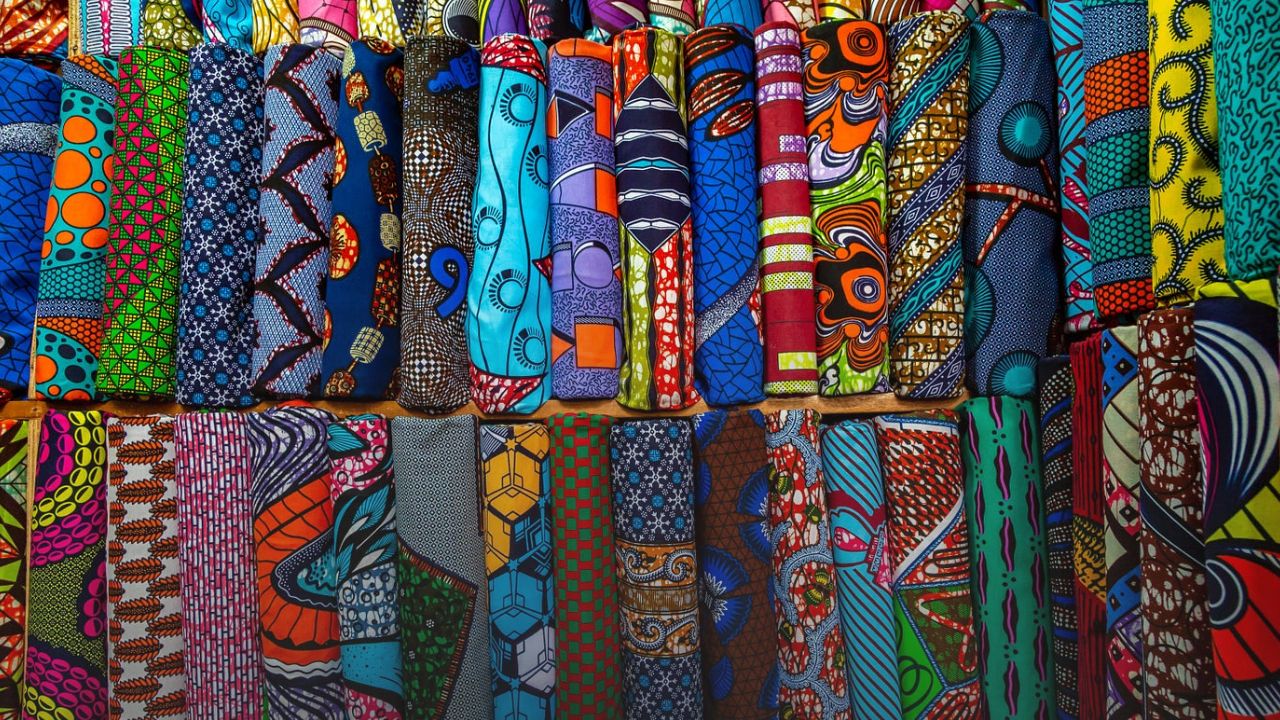
Ankara is so tied to West African identity that most people assume it grew out of the soil here, the way kente did in Ghana or adire did among the Yoruba. It didn't.
Ankara's story starts in Indonesia, and its journey to becoming "African" is really about trade, colonial ambition, rejection, and one region's refusal to let a foreign product stay foreign.
It began with batik
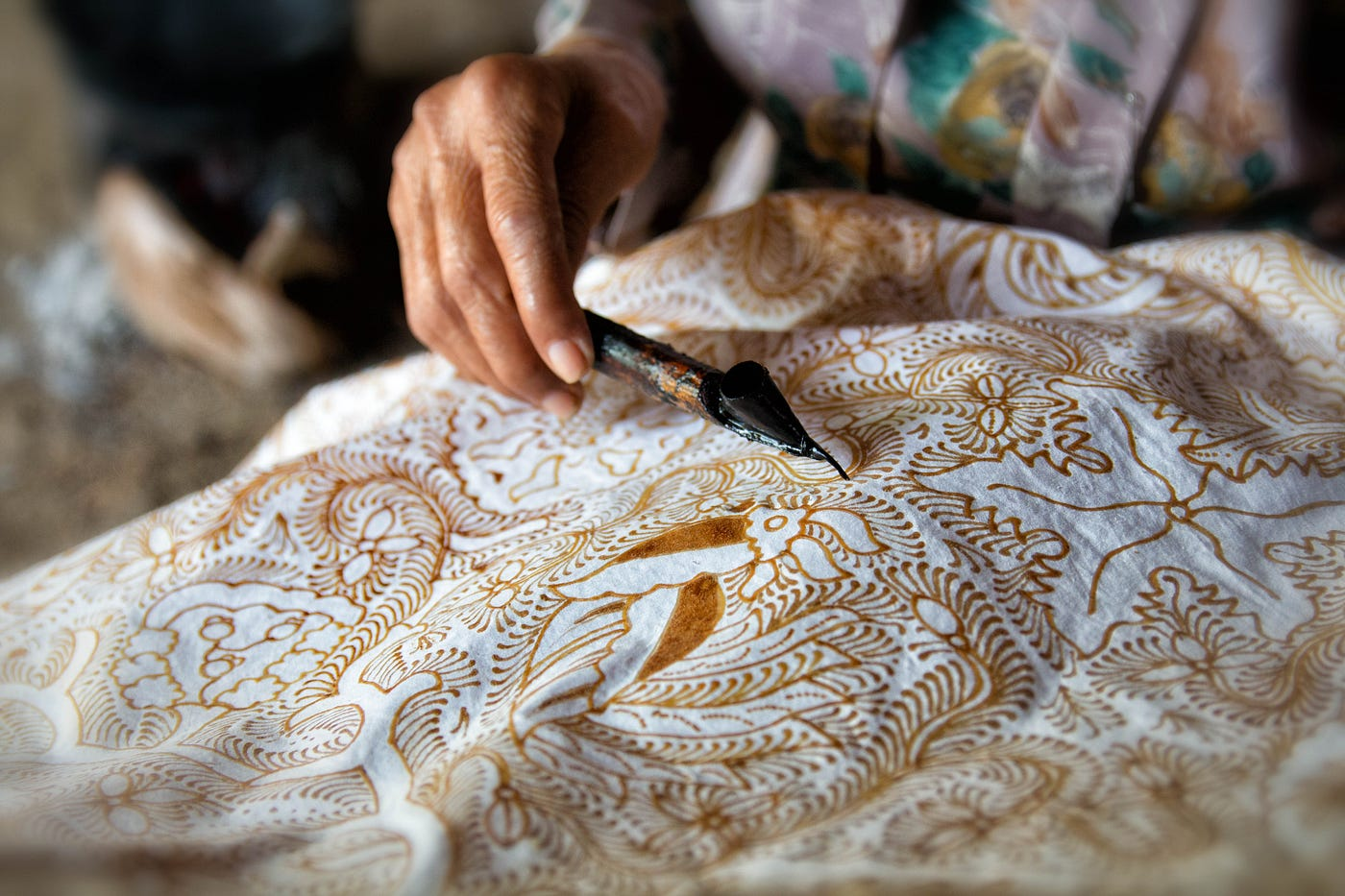
Long before Ankara existed, there was batik. This is a wax-resist dyeing technique developed by hand in Java, Indonesia. Artisans would apply hot wax to cloth in intricate patterns. They would, then, dye the fabric and melt the wax away to reveal the design underneath.
It was slow and required exceptional skill. It was also deeply Indonesian, tied to court traditions and centuries of craftsmanship.
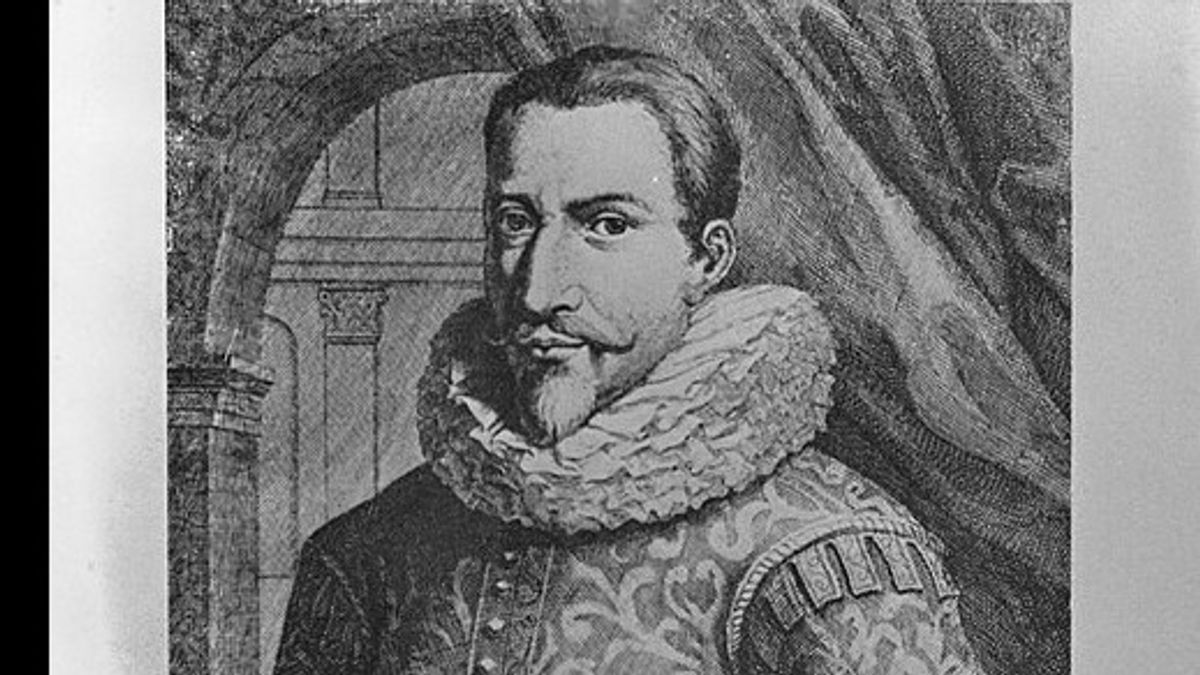
The Dutch had colonised Indonesia by the 1800s, and like most colonial powers, they were quick to spot a commercial opportunity. In 1846, a Dutch entrepreneur named Pieter Fentener van Vlissingen, began experimenting with ways to mechanise batik production.
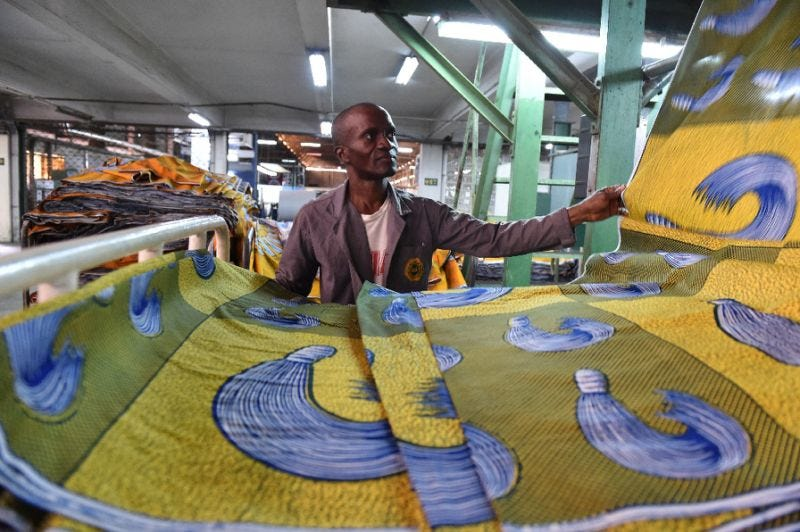
Instead of artisans hand-applying wax, factories in the Netherlands would roller-print a resin onto cloth, dye it and then wash the resin out.
The idea was to mass-produce something that looked like batik and sell it back to Indonesia far cheaper than the handmade original.
It should have worked. It didn't.
The rejection that changed everything
Machine production could not fully replicate the precision of hand-applied wax. The resin cracked and bubbled during dyeing. This left faint fractures and irregular blotches across the fabric.
To Indonesian buyers, who understood exactly what real batik was supposed to look like, this machine-made version read as an obvious imitation. It flopped in its intended market.
Dutch traders, sitting on unsold stock and expensive machinery, needed somewhere else to sell it. Their ships already passed the West African coast on established trade routes, so from around the 1890s, they began offering the fabric there instead, first in the Gold Coast, present-day Ghana, and then along the wider West African seaboard.
However, West African buyers did not simply accept whatever the Dutch handed them. They had opinions, and traders had to listen. The cracks and irregularities that Indonesian buyers saw as flaws, West African markets came to read as character, even authenticity.
It went further than that. Local consumers pushed for bolder colours, larger and more graphic motifs, and patterns that carried meaning. Dutch and later British manufacturers adjusted their designs specifically to satisfy West African taste, effectively letting African consumers art-direct a European product from thousands of miles away.
Naming it and claiming it
Even the word "Ankara" is a West African invention. One widely cited account traces it to a cheaper version of the cloth associated in some stories with a woman named Ankara, sold at prices ordinary people could afford.
Another ties the name to the Turkish capital through old trade connections. Either way, the name that stuck across Nigeria and much of West Africa was coined locally, not imported with the fabric.
Once a foreign object gets a local name, it starts to belong to the people who named it. West Africans went further than naming the cloth. They began naming specific patterns, based on proverbs, current events, or shared references, so that wearing a particular print could send a message understood within a community.
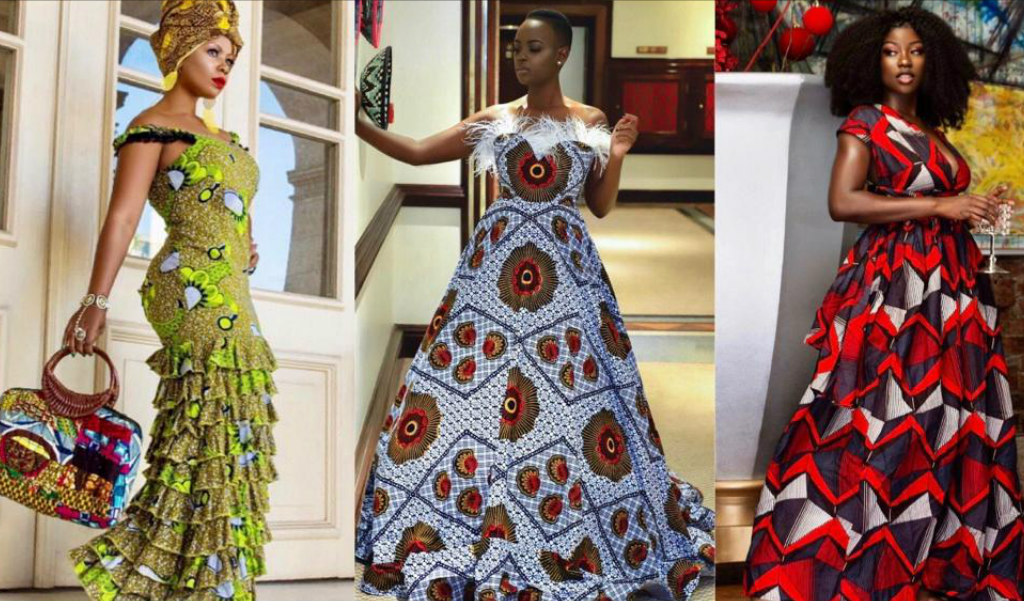
From import to identity

By the mid-twentieth century, as Ghana, Nigeria and other West African nations moved toward and through independence, Ankara took on new weight. Wearing it started signalling cultural pride, a visible rejection of the idea that "modern" dressing had to mean Western dressing.
Asoebi, the practice of coordinated fabric worn by groups at weddings, funerals, and celebrations across Yoruba and other communities, cemented Ankara's place in the rituals of everyday life.
A gathering could be identified from a distance simply by the print everyone was wearing.
Today, Vlisco, descended from that 1846 innovation, still produces some of the most premium wax prints sold on the continent, alongside Chinese manufacturers making cheaper versions and African producers like DaViva in Nigeria making their own. The supply chain is still genuinely global, and in places, still not African-owned.
However, ownership of a fabric's identity lives in who decides what a pattern means, who wears it and why, and who gets to say a print speaks for them.
By that measure, West Africa did something remarkable. It took a rejected Dutch imitation of an Indonesian craft and, through decades of sheer cultural insistence, turned it into one of the most recognisable visual symbols of African identity in the world.
Ankara's foreignness is proof of how thoroughly the region can absorb, reshape, and reclaim what arrives on its shores.