EU Fury Erupts: Continent Prepares Counter-Attack Amid Trump's Greenland Tariff Threat
Donald Trump's demands for Greenland, backed by tariff threats against European allies, have plunged transatlantic relations into crisis. The EU is holding emergency talks to consider diplomatic dialogue and potential retaliatory measures, including its 'anti-coercion instrument,' as the controversial EU-US trade deal is derailed.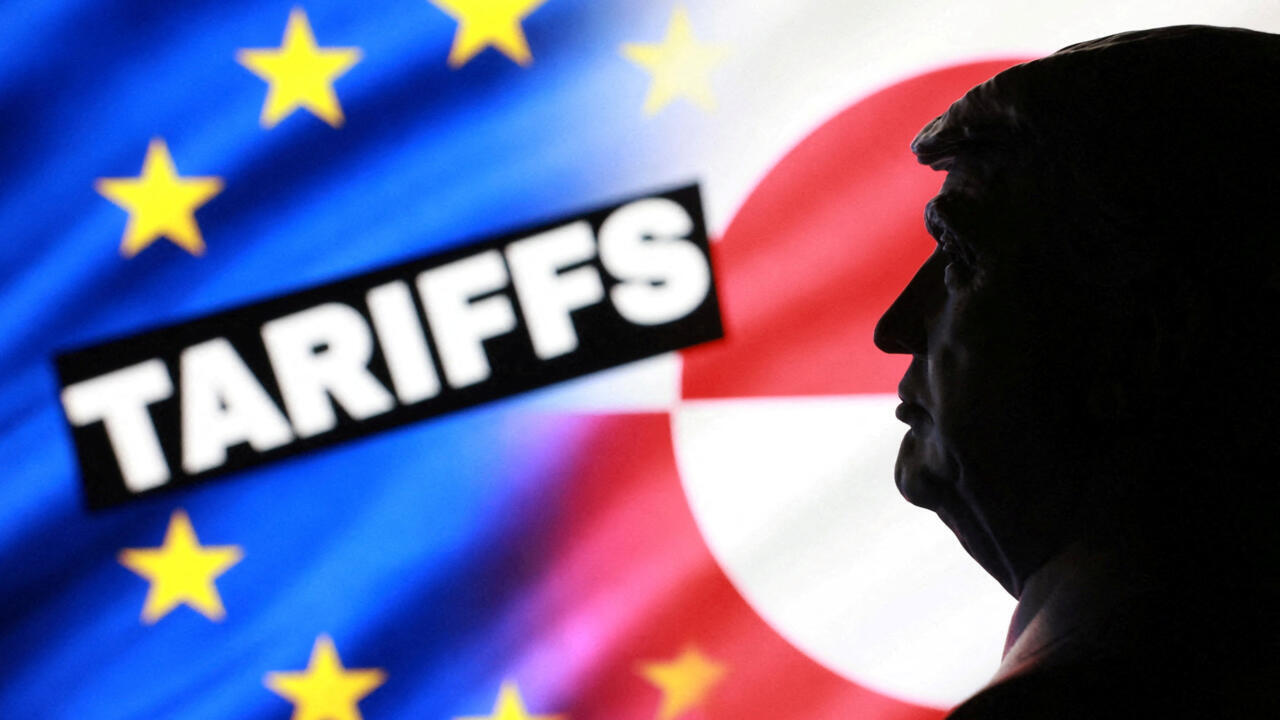
The long-standing transatlantic alliance has entered an unprecedented crisis after US President Donald Trump escalated his demand for the acquisition of Greenland into tariff threats against eight European nations, including six EU member states. Trump announced plans to impose 10% tariffs from February 1, rising to 25% from June 1, on Denmark, Germany, France, the UK, Norway, Sweden, the Netherlands, and Finland for deploying troops to Greenland in support of its sovereignty. He accused them of playing a “very dangerous game” and said the tariffs would remain until a deal is reached for the “complete and total purchase of Greenland,” citing US security concerns and alleging Chinese and Russian interest in the territory.
The move has severely undermined the already controversial EU-US trade deal signed last summer between Trump and European Commission President Ursula von der Leyen. The agreement, criticized for favoring the US through asymmetric tariff concessions, has now stalled entirely. Trump’s threats prompted rare unity in the European Parliament, with political groups across the spectrum calling for ratification to be suspended. Leaders including France’s Jordan Bardella and Manfred Weber of the European People’s Party publicly opposed moving forward with the deal under economic coercion.
In response, European leaders held emergency consultations, including a summit convened by European Council President António Costa. EU states voiced firm solidarity with Denmark and Greenland, reaffirming their sovereignty and territorial integrity. Several leaders, including Italy’s Giorgia Meloni and Dutch Foreign Minister David van Weel, condemned Trump’s actions as “commercial blackmail” and warned that the strategy risks irreparable damage to transatlantic trust.
The crisis has reignited debate over activating the EU’s Anti-Coercion Instrument (ACI), a powerful but untested mechanism designed to counter economic intimidation. France, led by President Emmanuel Macron, pushed strongly for its deployment if tariffs proceed, while others urged caution in favor of diplomacy due to Europe’s continued security reliance on the US, particularly over Ukraine. Alongside the ACI, the EU is also weighing a previously prepared €93-billion retaliation package that would impose tariffs of up to 30% on US goods, signaling that Europe is prepared to respond forcefully if negotiations collapse.