Epstein Files Bombshell: Ripple CTO Emeritus Links XRP, XLM to Infamous Scandal!
Ripple's CTO Emeritus, David Schwartz, publicly addressed claims linking Ripple and Stellar to Jeffrey Epstein, denying any knowledge of such connections. The discussion also delved into Ripple's business model and regulatory scrutiny, with Schwartz sharing his evolving views on why the company initially avoided a non-profit structure.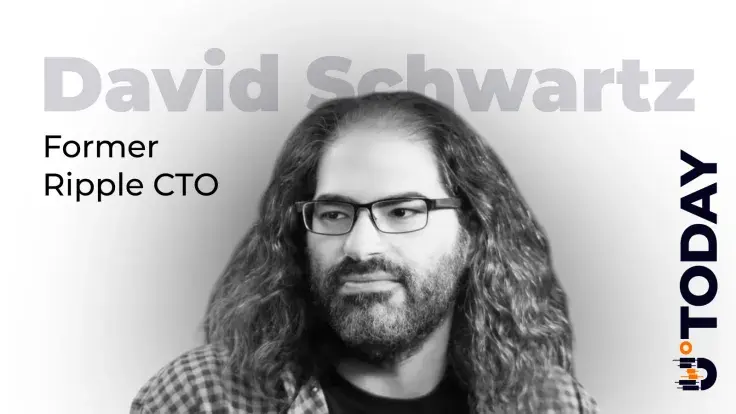
An online discussion within the XRP community recently prompted a public response from David Schwartz, Ripple’s Chief Technology Officer Emeritus, regarding claims connecting Ripple and Stellar to Jeffrey Epstein. This exchange occurred on X following the U.S. Department of Justice’s release of millions of new files pertaining to Jeffrey Epstein. The conversation was initiated by an X user named Cobb, who shared a screenshot from an email within the Epstein files, alleging the presence of Ripple and Stellar, a claim that quickly garnered significant attention across various crypto circles.
Another user, JT Marlin XRP Financial, directly addressed Schwartz, inquiring whether this matter was protected by a non-disclosure agreement and seeking further clarification. In his direct response, Schwartz unequivocally stated that he possesses no knowledge of any connections between Jeffrey Epstein and Ripple, XRP, or Stellar. He further emphasized that he is unaware of any evidence suggesting that individuals associated with Ripple or Stellar ever met Epstein or anyone closely linked to him. Schwartz did acknowledge the existence of some indirect ties between Epstein and certain individuals connected to Bitcoin, but he clarified that such connections are not unusual, given Epstein’s extensive network among extremely wealthy figures across diverse industries.
Subsequently, the discussion transitioned to Ripple’s long-standing business structure and the regulatory scrutiny it has faced. JT Marlin questioned whether these ongoing issues were related to Ripple’s past conflicts with payment platforms like PayPal, and why Ripple, as a for-profit entity, seemed to attract more criticism compared to Stellar, which operates under a non-profit model. This line of inquiry prompted Schwartz to reflect on earlier internal discussions at Ripple concerning its organizational structure.
Schwartz disclosed that he had been a strong opponent of adopting a non-profit model for Ripple during those initial discussions. He elaborated that he believed establishing a non-profit organization whose success was intrinsically tied to private financial gains would have been deceptive and potentially unlawful. He drew an analogy, likening such a scenario to a large corporation creating a non-profit entity primarily to advance its own commercial interests, underscoring his concerns about transparency and legal compliance.
Later, Schwartz provided additional clarification, noting that his views on the matter have evolved over time. He stressed that these early debates took place long before regulatory bodies began scrutinizing whether cryptocurrencies should be classified as securities and prior to the widespread proliferation of initial coin offerings (ICOs). He also pointed out that, at that particular time, very few people anticipated that merely distributing a substantial portion of a cryptocurrency’s supply could result in the generation of tens of billions of dollars in market value, highlighting the unforeseen evolution of the crypto landscape.