Dumsor Deepens Ghana's Crisis: Students Suffer, Political Blame Game Ignites Over Power Outages
Ghana is grappling with widespread power outages, causing significant public frustration and disrupting students' exam preparations. While ECG attributes the interruptions to grid stabilization efforts and repairs, opposition figures criticize the government's energy sector management and lack of progress on key policies, emphasizing the urgent need for stable electricity.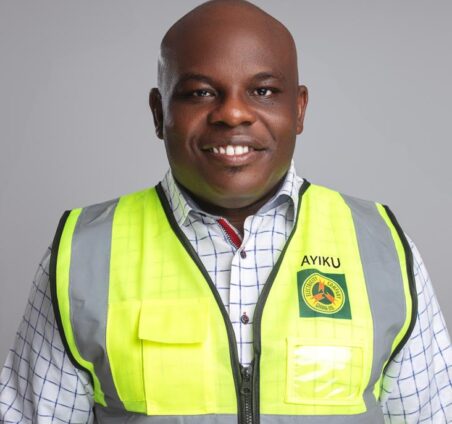
Ghana is currently experiencing widespread power outages, colloquially known as "dumsor," leading to growing public frustration among households, businesses, and particularly students preparing for national examinations. The Electricity Company of Ghana (ECG) has acknowledged the disruptions, assuring the public that these are temporary and are part of extensive efforts to stabilize the national electricity grid.
Charles Nii Ayiku Ayiku, General Manager for External Communications at ECG, explained that the situation remains "fluid" as engineers tirelessly work on repair and restoration of critical infrastructure. He cited ongoing interventions, including the restoration of a unit at the Akosombo Hydroelectric Dam, as factors contributing to the intermittent outages. Beyond these major interventions, ECG is also addressing underlying technical challenges within its distribution network, such as the repair and replacement of faulty transformers and switching systems in various areas. Dr. Ayiku noted that power outage schedules may not always be strictly followed due to real-time adjustments made by engineers striving to restore system stability, citing an example in Dansoman where power was restored earlier than scheduled.
However, the government's handling of the energy sector has drawn sharp criticism. Ekua Amoakoh, Deputy Spokesperson for Mahamudu Bawumia, argued that the ongoing power cuts indicate that "dumsor" is what is truly operating in shifts, rather than the government’s promoted 24-hour economy policy. Speaking on The AM Show, Dr. Amoakoh faulted the Ministry of Energy and Green Transition for a perceived lack of progress on its agenda, questioning the commitment to renewable energy initiatives and the absence of clear financial allocations in recent national budgets. She dismissed claims of deliberate sabotage within the Electricity Company of Ghana (ECG) and questioned the significance of the directive for the Ghana Grid Company Limited (GRIDCo) CEO to step aside, noting he was already due for retirement. Dr. Amoakoh emphasized that Ghanaians demand practical and lasting solutions, not symbolic gestures, and urged the Energy Minister to stabilize the situation promptly.
The most immediate and profound impact of the power outages is being felt by final-year students across Ghana, who are preparing for the Basic Education Certificate Examination (BECE) and the West African Senior School Certificate Examination (WASSCE). Students, including those due to sit the BECE starting May 4, express severe frustration as erratic electricity supply disrupts their evening revision, making effective study at home nearly impossible. Many are forced to extend their hours in school or seek costly alternative arrangements like generators or rechargeable lamps, which not all families can afford, raising concerns about inequality in exam preparation.
Parents share these concerns, highlighting how their children struggle to complete assignments after sunset due to the unpredictable power supply. Samuel Kwabena Awuku, Member of Parliament for Akuapem North, echoed these sentiments, having received numerous complaints from students in his constituency about power coming at odd hours—often at dawn—and going off before they can utilize it for study. He stressed the critical importance of these examinations and called for urgent action to either provide a stable power supply or a clear, reliable outage timetable to enable students to plan their study schedules effectively. The prevailing uncertainty leaves many students fearing they will be forced to compete under challenging and unequal conditions, jeopardizing their academic future.