Donald Duke Unveils Economic Plan for Nigeria Ahead of 2027 Presidential Election
Donald Duke, PRP’s 2027 presidential candidate, calls for major economic reforms to lower interest rates, control public spending, improve energy supply and boost investment.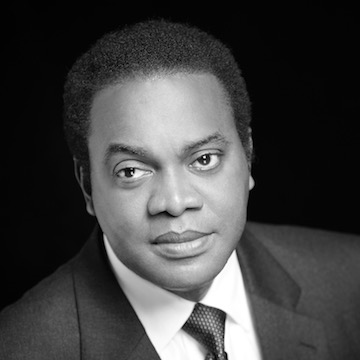
Donald Duke, the presidential candidate of the People’s Redemption Party (PRP) for the 2027 general election, has issued a strong call for a comprehensive overhaul of Nigeria’s financial architecture.
He cautioned that the prevailing high interest rates, escalating public debt, and misplaced government spending priorities are severely undermining businesses and restricting overall economic growth in the nation.
Speaking to journalists in Abuja, Duke, who previously served as the governor of Cross River State, stressed the urgent need for bold economic reforms. These reforms, he articulated, must be centered on ensuring affordable credit, implementing disciplined public spending, achieving energy security, and enhancing institutional efficiency.
His vision is to stimulate productivity across all sectors and restore investor confidence, which he believes is crucial for national progress.
Duke argued that the current lending rates, which are reportedly in the upper 30s, make meaningful economic expansion increasingly challenging for businesses. He asserted that no economy can achieve sustainable growth when the cost of borrowing remains excessively high.
He pledged that if elected in 2027, his administration would redesign Nigeria’s financial system to make it more supportive of production and investment, countering the current situation where inflation is largely driven by high government costs and poor economic management.
Furthermore, the PRP presidential candidate criticized the government’s spending priorities, advocating for a significant shift in public expenditure. He called for investments to be directed towards sectors that are capable of driving productivity, improving citizens’ welfare, and generating sustainable economic growth.
Duke specifically identified electricity, healthcare, education, and the judiciary as critical areas requiring greater government investment, emphasizing that strengthening these sectors would not only improve productivity and create jobs but also provide the essential institutional foundation for long-term national development.
Duke also advocated for reforms in revenue generation, energy policy, and the administration of justice. He firmly believes that Nigeria possesses the natural and human resources necessary for rapid economic transformation, provided these resources are managed properly.
He highlighted Nigeria’s abundant energy forms, stressing the importance of making energy both available and affordable as the greatest stimulus for productivity. He concluded that combining this with prudent public spending, an efficient tax system, and a judiciary that inspires confidence would unlock Nigeria's enormous economic potential.
Reflecting on his past leadership, Duke mentioned his record in Cross River State, asserting that his administration was committed to building institutions designed to endure beyond individual office holders. He further pledged that, if entrusted with the presidency, appointments within his administration would prioritize competence and integrity over political patronage.
He stated, “Politics ends after the election. Governance begins with assembling the best hands to move the country forward. Appointments should be based on competence and integrity, not political loyalty. Every public official must be committed to leaving the country better than they met it.”