Do Nigerians Deserve Their Politicians?
After Daniel Bwala’s tense Al Jazeera interview with Mehdi Hasan went viral, a deeper question emerges: do Nigeria’s political problems reflect the politicians—or the political culture Nigerians tolerate?
Over the weekend, many Nigerians watched with a mix of disbelief and second-hand embarrassment as one of the country’s top political advisers was pressed hard on international television.
Some laughed. Others cringed. Few understood what this actually meant.
Either way, the interview between Daniel Bwala and Mehdi Hasan on Al Jazeera quickly became one of the most talked-about political moments of the week.
But before we get into what happened, let’s take a quick rundown of the interview in case you missed it.
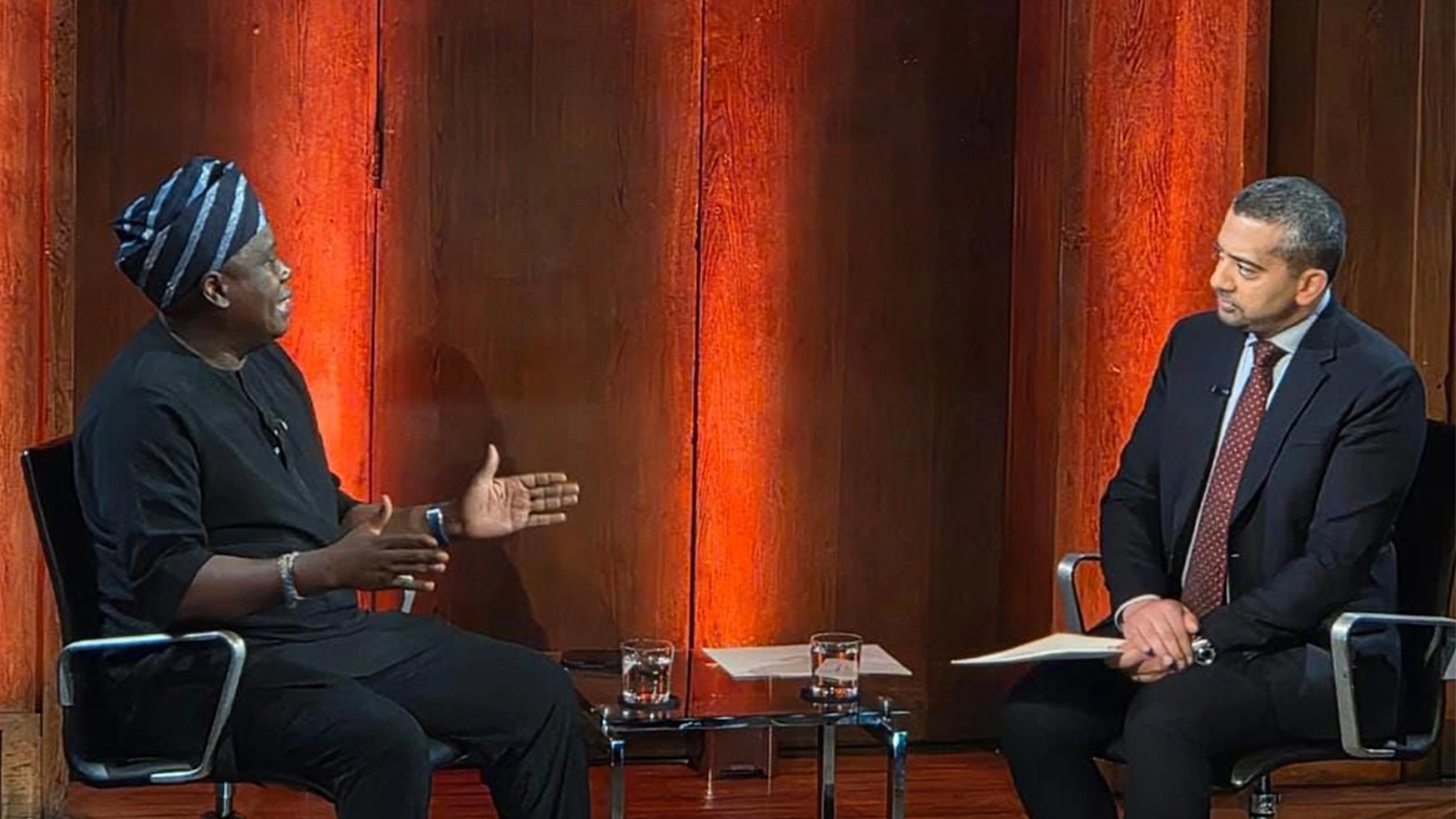
Daniel Bwala, Special Adviser on Policy and Media Communication to President Bola Tinubu, sat across from Al Jazeera's Mehdi Hasan on the programme Head to Head, a show known for exactly what its name suggests.
The episode, themed "Nigeria: Renewed Hope or Hopelessness?", was filmed at Conway Hall in London. And from the moment it began, it was clear Bwala had walked into something he did not fully prepare for.
Hasan came armed. Not just with statistics on Nigeria's economy, poverty rates, and corruption rankings but with Bwala's own words.
Old videos, past interviews, tweets and statements from a time when Bwala himself was one of Tinubu's loudest critics, calling him corrupt, unfit, a drug baron, before crossing the aisle to become his spokesman.
When confronted with the receipts, Bwala denied some, deflected others, and compared himself to Trump's cabinet members who once opposed Trump before joining him. The crowd wasn't buying it neither was the internet.
By Saturday, the clips were everywhere.
And if any Nigerian is shocked by this, that would be the real surprise. Because what Bwala did, the switching, the denying, the rewriting of history in real time, Nigeria has seen this before, many times.

The Convenience of Cross-Carpeting
I hold a firm opinion that Nigerian politics is one of those political landscapes that requires you to be armed with aspirin before you can grasp its absurdities.
Grab your aspirin as I explain one of those absurdities to you.
Cross-carpeting, the Nigerian term for political defection, is not a new phenomenon.
It dates as far back as 1951, when members of the Western House of Assembly switched allegiances mid-session, handing the Action Group a regional government they hadn't exactly won at the ballot box.
That was over 70 years ago. And it hasn’t changed.
Since the return to civilian rule in 1999, defections have become as predictable as NEPA taking light.
Research tracking over two decades of Nigerian democracy found that most defections cluster around party primaries and the months just before general elections. Meaning politicians don't switch out of conviction, they switch to survive.
And the system was practically built to allow it.

Constitutional loopholes have made it easy for legislators to jump ship under the guise of "internal party crisis", a phrase that has been stretched so thin it barely means anything anymore.
Since both the PDP and APC have benefited from defections at different points, neither party has had any real incentive to shut the door.
The deeper problem is that Nigerian political parties were never built on ideology in the first place. They are vehicles, assembled for the purpose of winning elections, not governing on principle.
So when a man who once called the president a drug baron turns up as his chief spokesman, it barely registers as a scandal. It is just the system doing what it has always done.
Bwala is not an anomaly. He is a tradition.
Vote-Buying: The Price of Leadership
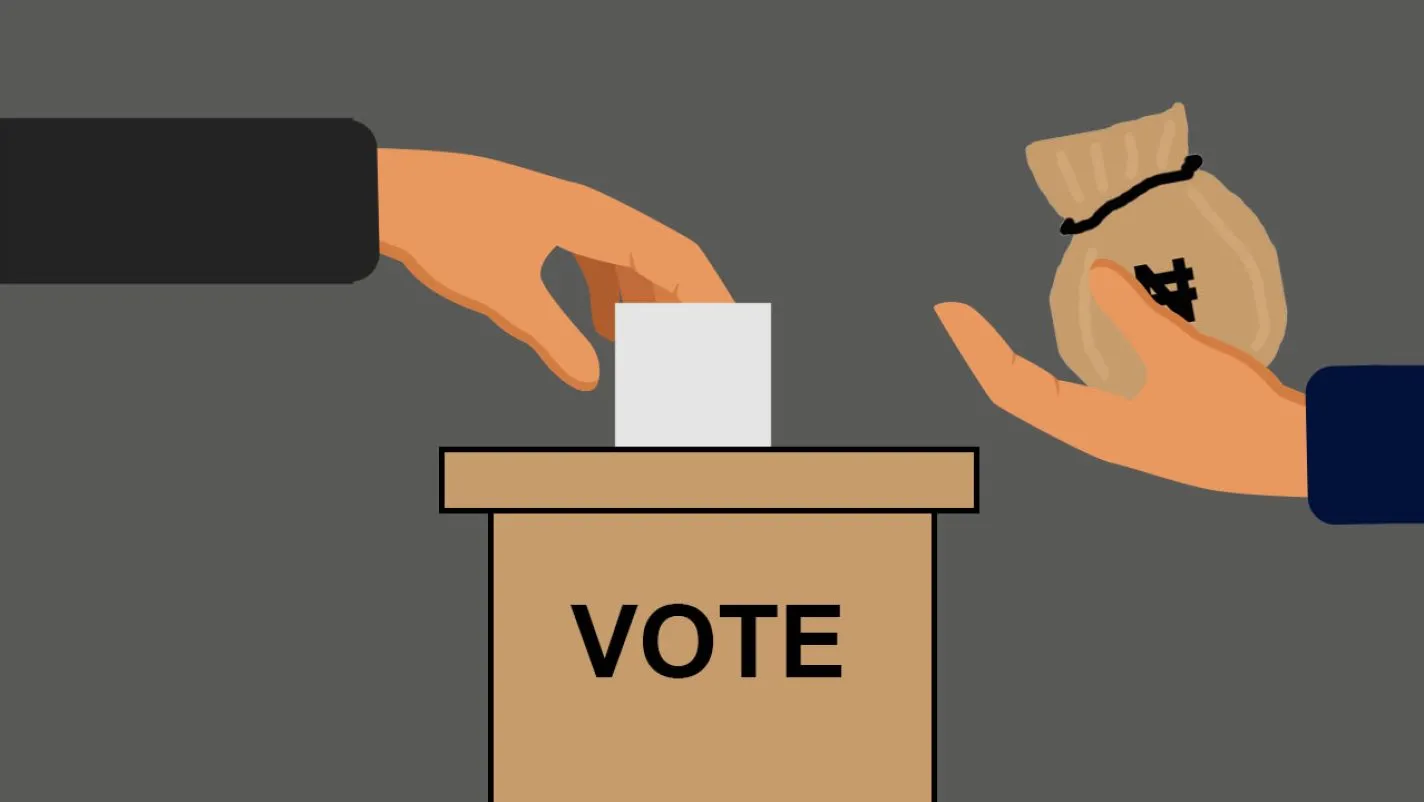
If cross-carpeting is the politician's sin, vote-buying is ours.
Every election cycle, the same scene plays out across wards and local governments.
A bag of rice here, a few thousand naira there and in some cases, a customised wrapper and a party branded bowl. And just like that, a vote is cast, not for competence, not for character but for whoever showed up with the most impressive logistics.
The tragedy is not just that it happens. It is that it works and politicians know it works.
When you can purchase a mandate for the price of a small generator, there is no incentive to earn it through policy or performance.
Vote-buying doesn't just corrupt elections; it tells politicians exactly what kind of country they are dealing with. One where short-term survival often beats long-term sense.
Political Apathy and Complacency
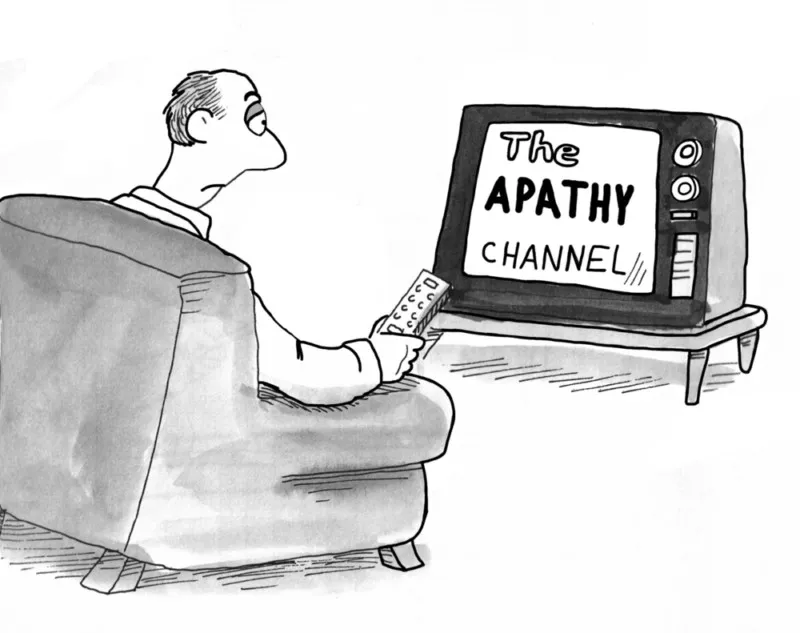
Then there is the silence.
Nigeria has one of the lowest voter turnout rates on the continent, and it keeps dropping.
In off-cycle governorship elections, some states have recorded turnouts below 10%.
Ten percent, meaning nine out of every ten eligible voters stayed home and let someone else decide who would govern them, then spent the next four years complaining about the result.
The government can send an underprepared spokesman to face Mehdi Hasan on Al Jazeera precisely because domestic pressure is weak.
When citizens do not demand accountability at home, politicians have no reason to show up prepared abroad.
The embarrassment of that interview was not born in London. It was born in our collective shrug.
Do we expect better leaders when we refuse to hold the ones we have to account?
Nigerians' Greed and Selfishness
The uncomfortable truth is the greed we mock in our politicians did not originate in Abuja. It lives in the same communities, markets, churches and schools that produce them.
It shows up when we vote for someone from our tribe knowing they are incompetent. When we celebrate a politician for "bringing something home" regardless of how they got it.
When we protect people who look like us from consequences we would demand for others.
Politicians mirror the electorate that tolerates them.
A society that rewards loyalty over merit, connection over competence and short-term gain over long-term good should not be surprised when it gets leaders who operate by exactly those rules, just on a much larger, more expensive scale.
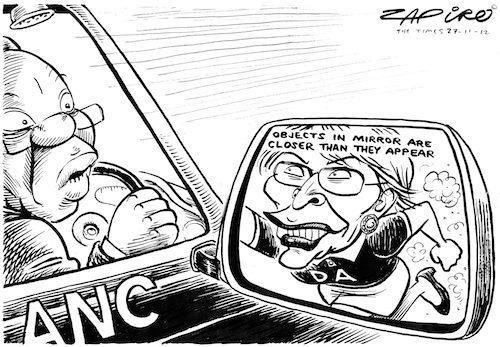
The Mirror: We Get What We Allow
Pull it all together and the picture is not definitely flattering.
Cross-carpeting thrives because we keep voting for defectors. Vote-buying works because we keep collecting. Apathy persists because we keep disengaging.
And the cycle continues, not because we lack better options, but because we have not collectively decided that better is non-negotiable.
Bwala sitting across from Mehdi Hasan, fumbling through denials while the receipts rolled in, was not just a personal embarrassment. It was a national one.
A live broadcast of what happens when a political culture built on convenience, loyalty trading, and zero accountability meets a journalist who actually did his homework.
The question was never really about Bwala.
A Call for Self-Reflection
So, do Nigerians deserve their politicians?
Honestly, we might.
Not because we are bad people. But because we have collectively built a culture that protects bad behaviour, rewards opportunism and punishes very little.
Politicians do not fall from the sky. They rise from the same streets, churches, mosques and schools as the rest of us.
They learned to switch allegiances by watching it go unpunished. They learned to buy votes because we sold them. They learned that accountability has an off switch because we keep turning it off.
The Bwala interview trended for a weekend. By Monday, something else had taken its place. That is also part of the problem — our outrage has a short battery life.
We laugh, we post, we move on and the cycle resets.
Real change does not begin in Abuja. It begins the moment a voter turns down the rice and shows up anyway.
It begins when we stop celebrating politicians for "settling" their communities and start asking why those communities needed settling in the first place.
It begins with the uncomfortable admission that the dysfunction we despise in our leaders is a reflection of what we have allowed and what we continue to allow.
Until the culture that protects them changes, we will keep recycling the same kind of leaders. Different names, same playbook.
The question is not just what kind of politicians Nigeria deserves. It is what kind of Nigeria we are willing to build.