Deadly Bundibugyo Ebola Strain Confirmed in Nigeria: What You Need to Know
Nigeria has confirmed its first case of Ebola virus disease caused by the Bundibugyo strain, prompting a focus on its distinct characteristics, symptoms, and transmission. While there's no licensed vaccine or specific treatment, early detection, supportive care, and prevention are crucial to managing the outbreak and reducing risk.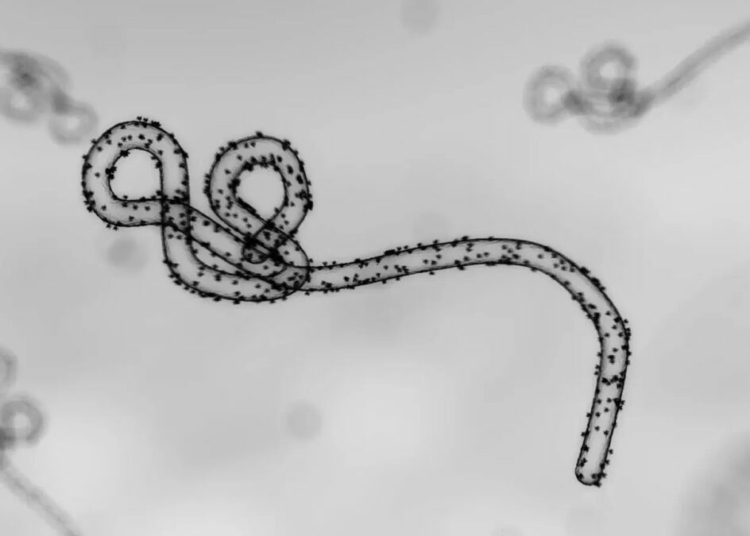
Nigeria has officially reported its inaugural case of Ebola virus disease caused by the Bundibugyo strain, sparking heightened awareness regarding the symptoms, transmission, treatment, and prevention of this potentially fatal infection. The World Health Organisation (WHO) confirmed the case, involving a woman with recent travel history to Uganda, who is now receiving isolated medical care in Abuja. Health authorities have initiated contact tracing, identifying 44 individuals for monitoring to curb further spread of the virus. The Bundibugyo strain, a distinct type of Ebola virus, has previously led to outbreaks in various African regions, necessitating intensive surveillance and response measures.
The Bundibugyo virus is one of several types responsible for Ebola virus disease in humans, first identified during an outbreak in Uganda's Bundibugyo District in 2007. It is crucial to distinguish this strain from the Zaire ebolavirus species, which has caused numerous major Ebola outbreaks, as vaccines and treatments developed for one species may not be effective against another.
Symptoms of Bundibugyo Ebola can initially mimic those of other infectious diseases, making prompt detection vital. Common indicators include fever, severe weakness, fatigue, headache, muscle pain, abdominal pain, vomiting, and diarrhoea. In severe instances, the disease can lead to complications affecting vital organs, and some patients may experience bleeding, though this is not universal. Individuals who develop compatible symptoms following potential exposure are advised to seek immediate medical attention and inform healthcare providers about their recent travel history or contact with suspected cases.
Transmission of the Bundibugyo virus occurs through direct contact with the blood and other bodily fluids of an infected person exhibiting symptoms. The virus can also spread via contaminated objects and contact with infected animals, entering the body through broken skin or mucous membranes like the eyes, nose, and mouth. Healthcare workers and family members caring for infected individuals face an elevated risk if appropriate protective measures are not strictly followed. The incubation period for Ebola ranges from two to 21 days, meaning symptoms can take up to three weeks to manifest after infection.
A significant challenge with the Bundibugyo virus disease is the current absence of licensed vaccines or specifically approved therapeutics, unlike for Ebola caused by the Zaire ebolavirus species. Despite this, supportive medical care is paramount in managing the infection and improving patient recovery outcomes. This care may encompass intravenous fluids, correction of electrolyte imbalances, oxygen support, nutritional assistance, and complication management. Researchers are actively evaluating candidate vaccines and treatments, such as the antiviral drug remdesivir and experimental monoclonal antibodies, in clinical trials. It is important not to confuse these experimental candidates with established, specifically approved treatments for Bundibugyo Ebola.
Early detection and stringent prevention strategies are critical to controlling the spread of Bundibugyo Ebola. This involves the rapid identification of suspected cases, immediate isolation, thorough contact tracing, and monitoring of exposed individuals. The public can mitigate their risk by practicing regular hand hygiene, avoiding contact with blood and bodily fluids of suspected or confirmed cases, and refraining from handling sick or dead wild animals. Anyone developing symptoms after possible exposure must seek prompt medical attention and provide accurate information regarding recent travel and contact history. The Nigeria Centre for Disease Control and Prevention (NCDC) and the WHO remain authoritative sources for official updates on the outbreak, including case numbers, contact tracing efforts, and public health guidance.