Cross-Border Fury: Thailand and Cambodia Embroiled in Assassination Rumors, Land Disputes, and ICC Threats
Amidst rising tensions, Thailand has refuted claims of an assassination plot against Cambodian leaders and is taking steps to address border disputes, including alleged landmine use and encroachment. Diplomatic efforts, international observation, and potential legal actions are underway to resolve the complex situation, while grappling with widespread disinformation.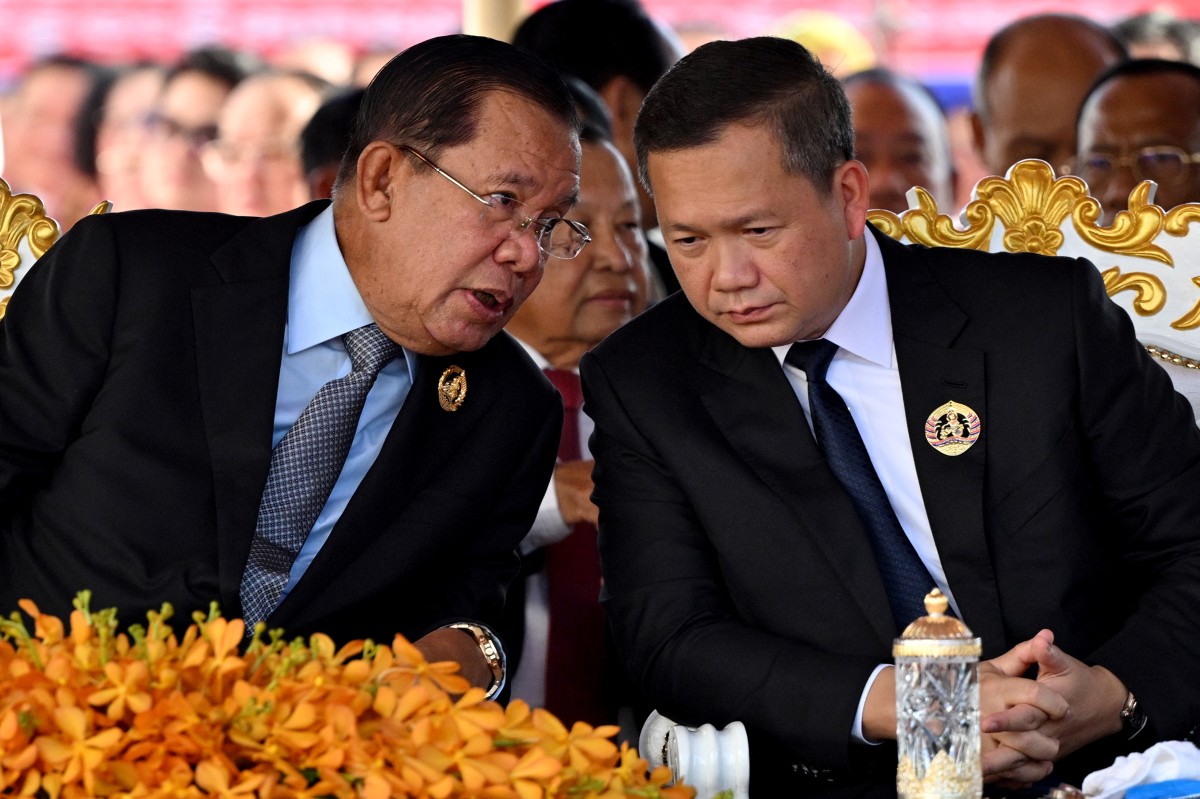
Tensions between Thailand and Cambodia have escalated amidst allegations, border disputes, and diplomatic efforts. Thailand’s Ministry of Foreign Affairs vehemently denied recent social media claims, cited by Cambodia’s Minister of Information, suggesting that Thailand planned to assassinate Cambodian leaders Hun Sen and Hun Manet. Nikorndej Balankura, Director-General of the Department of Information, dismissed these accusations as “entirely unfounded” and an attempt to defame Thailand, emphasizing that such disinformation undermines ongoing General Border Committee (GBC) discussions aimed at peaceful resolution.
A significant aspect of the conflict revolves around alleged border violations and the use of landmines. The Royal Thai Army (RTA) is set to lead an ASEAN Interim Observation Team (IOT) to the Thai-Cambodian border to monitor alleged breaches of international law and ceasefire conditions by Cambodian troops. This initiative follows earlier visits by international envoys. Notably, ASEAN envoys and representatives from countries that ratified the Ottawa Convention—which bans the use of landmines—visited Si Sa Ket province. During this visit, they were presented with evidence of anti-personnel mines allegedly laid by Cambodian forces and engaged directly with affected residents. Thailand expects these envoys to report their findings to their governments and the international community.
The humanitarian impact of the conflict has also drawn international attention. The RTA, in collaboration with the Foreign and Interior Ministries, facilitated a visit by representatives of the International Committee of the Red Cross (ICRC). The ICRC assessed the effects of cross-border attacks on civilians in Surin, Si Sa Ket, and Ubon Ratchathani provinces, interviewing local residents in affected districts. The ICRC is compiling a confidential report on its findings, which will be submitted directly to both Thailand and Cambodia, underscoring Thailand’s commitment to strengthening humanitarian protection.
Adding to the complexity, Thailand has accused Cambodia of betraying hospitality and humanitarian aid. Government spokesman Jirayu Houngsub stated that Cambodia exploited Thailand’s generosity by establishing a community at Ban Nong Chan village in Sa Kaeo, originally a temporary shelter for Cambodian civil war refugees in 1977, and subsequently encroaching on Thai soil. Jirayu asserted that Thailand’s erection of razor wire within its boundaries was a defensive measure against further encroachment and landmine attacks by Cambodian troops, insisting it did not violate GBC agreements. Thailand also plans to send video and photo evidence of Cambodia laying landmines to Geneva.
The severity of the situation has prompted discussions of legal action. Acting Prime Minister Phumtham Wechayachai indicated that academics might propose suing Cambodian Prime Minister Hun Manet and his father, Hun Sen, as war criminals in the International Criminal Court (ICC). This follows a National Security Council (NSC) resolution to pursue criminal and civil lawsuits against them in Thai courts for causing deaths, injuries, and property damage to Thai citizens.
Meanwhile, the conflict has been a hotbed for disinformation. The Ministry of Digital Economy and Society (DES) reported that eight out of the top ten fake news items circulating last week were false reports related to the Thai-Cambodian border conflict, with the top three entirely focused on the situation. This highlights the challenge of information warfare alongside the physical conflict.
Diplomatic efforts are ongoing, with Acting Prime Minister Phumtham meeting a delegation of four US lawmakers to discuss regional developments, security concerns, and economic issues. The US delegation is scheduled to observe the Thai-Cambodian border conflict zone in Ubon Ratchathani before proceeding to Cambodia. Phumtham emphasized the need for truth over propaganda and peaceful solutions that prioritize the lives of affected people, confirming he raised the issue of Cambodian mine-laying activities with the US delegation. Future talks are anticipated on September 10, with discussions on certain Memoranda of Understanding (MOUs) deferred in favor of addressing immediate concerns like landmines and border fences.