Commuter Chaos Ends: LIRR Strike Resolution Reaches Deal, Service Set to Resume
The recent three-day Long Island Rail Road (LIRR) strike has concluded, bringing relief to frustrated commuters but underscoring deep-seated issues within the nation's busiest commuter rail system. The agreement addresses wage increases while leaving contentious work rules and the underlying federal labor law unchanged, raising questions about long-term stability and cost efficiency.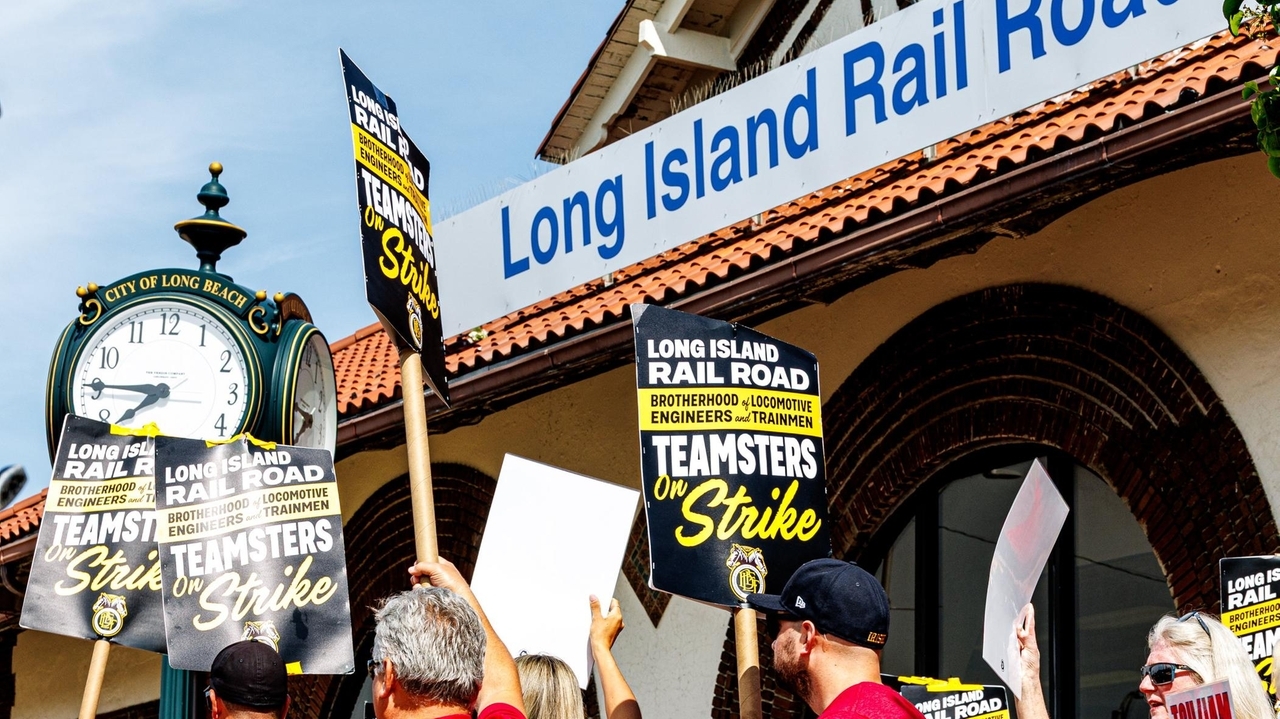
The recent three-day Long Island Rail Road (LIRR) strike, which caused widespread disruption and frustration across the region, has concluded with an agreement reached late Monday night.
This resolution brings immediate relief to hundreds of thousands of commuters and businesses but leaves lingering questions about underlying issues, including contentious work rules and the legal framework governing LIRR employees, which critics argue contribute to inefficiencies and high costs.
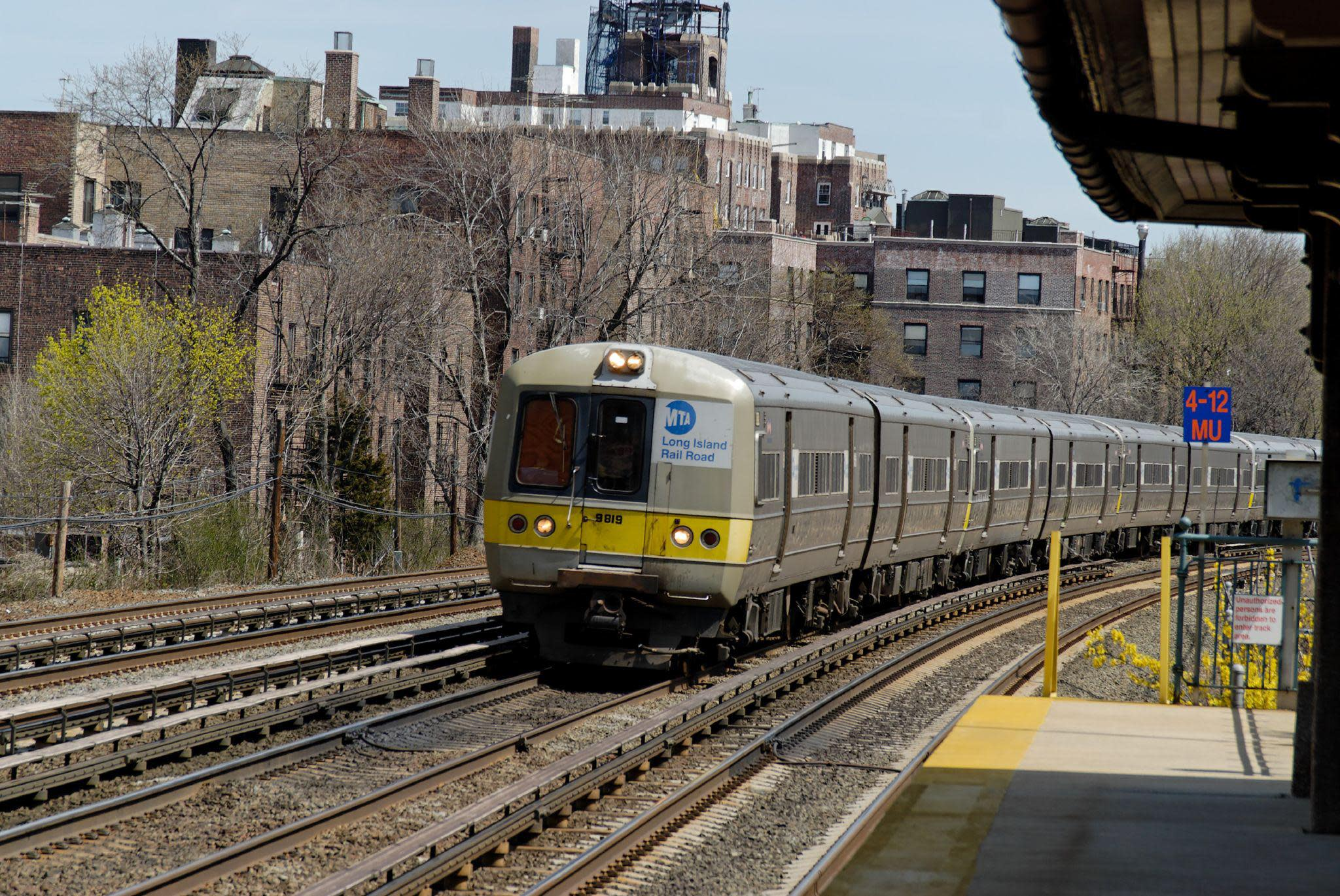
The strike, precipitated by less than half of the railway’s union membership, was widely seen as a “callous disregard” for the well-being of riders and the region's businesses.
During the three-day walkout, tens of thousands of Long Islanders faced significantly longer and more arduous commutes, often seeing their travel times double or even triple.
Commuters were forced to navigate traffic-clogged highways, utilize alternative transportation such as subways, buses, ferries, and electric scooters, with many leaving their homes before dawn and returning after dark.
Local businesses near LIRR stations reported sharp declines in revenue, while essential workers, including educators and hospital staff, struggled to reach their jobs.
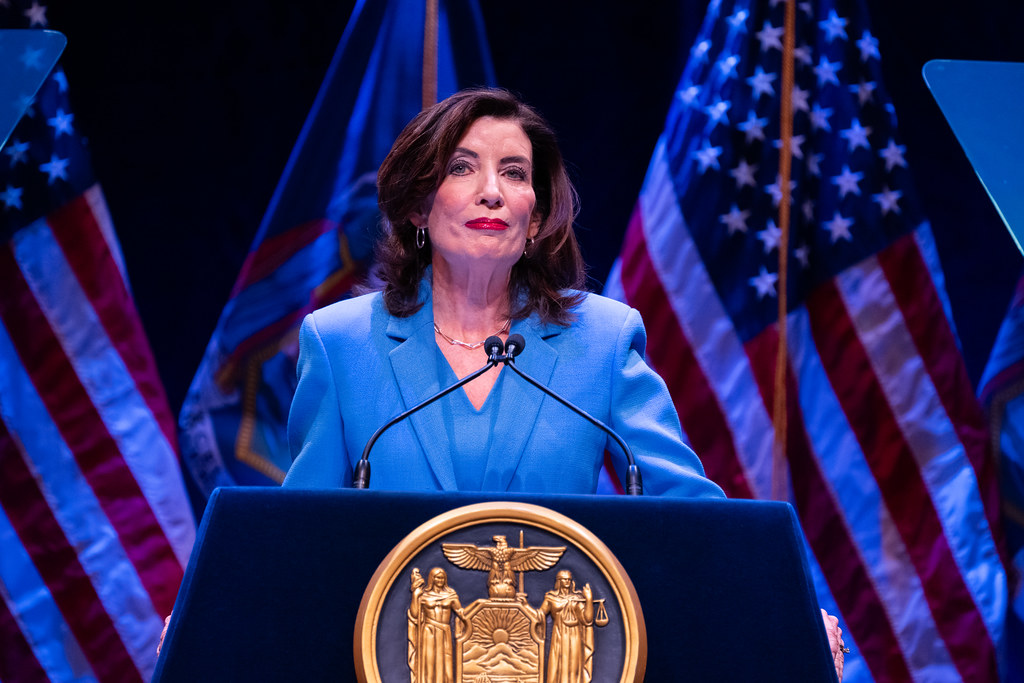
Governor Kathy Hochul announced the deal, reached shortly before 9 p.m., emphasizing that the agreement was achieved without the need to raise fares or taxes for riders.
While details regarding wages and work rules were not immediately fully disclosed by the Governor, MTA Chairman and CEO Janno Lieber stated that the deal aimed to provide “fair raises” without burdening riders or taxpayers or disrupting the MTA budget.
The new four-year contract will include three years of wages paid retroactively, addressing a long-standing negotiation that had allowed an agreement to slide.
Previously, other LIRR unions had already settled for a 9.5% salary increase over three years, specifically 3% in each of the first two years and 3.5% in the third.
The core disagreement that led to the strike centered around pay for 2026. The striking unions had initially demanded a 5% raise for that year, a proposal that the MTA countered with lower amounts while also pushing for new hires to contribute more than the current 2% for their healthcare.
The MTA had argued that LIRR workers are already among the highest-paid railroad workers in the nation, with an average annual salary of $136,000.
Agency officials warned that acceding to the unions' demand for a 5% raise could trigger similar expectations across the MTA’s entire 50,000-member workforce, potentially adding an estimated $270 million in annual costs and leading to an 8% fare hike, or increases of up to $468 annually for those who purchase monthly tickets.
Beyond wage disputes, a major point of contention highlighted by editorial boards and transit industry professionals was the MTA's inability to eliminate “costly work rules” that critics argue generate “copious, if not dubious, overtime and bonus pay” for train crews.
These antiquated rules, which have been criticized for decades, are seen as significant impediments to operational efficiency and cost-effectiveness, especially when compared to the more productive work rules governing Metro-North workers. The MTA had unsuccessfully sought to address these during negotiations, backing off its demands to remove them.
Another crucial structural issue lies in the legal framework under which LIRR employees operate.
Unlike New York City Transit workers, LIRR employees are covered by the federal Railway Labor Act, which legally allows strikes once mediation has run its course, thereby granting unions a significant leverage that most other MTA workers do not possess.
Editorial boards and concerned citizens advocate for removing the LIRR from this federal jurisdiction and bringing its workers under New York’s Taylor Law, which prohibits strikes by public workers, aligning it with the legal framework for the New York City subway system.
This proposal has a long history, dating back to Governor Nelson Rockefeller, who, despite creating the state authority that acquired the LIRR, allowed federal rules to remain even after the freight operation was sold.

Public sentiment during the strike ranged from frustration to outright condemnation. Many commuters expressed feeling “exhausted” and “in the middle” of the warring factions, while some understood the complexities of multi-union negotiations.
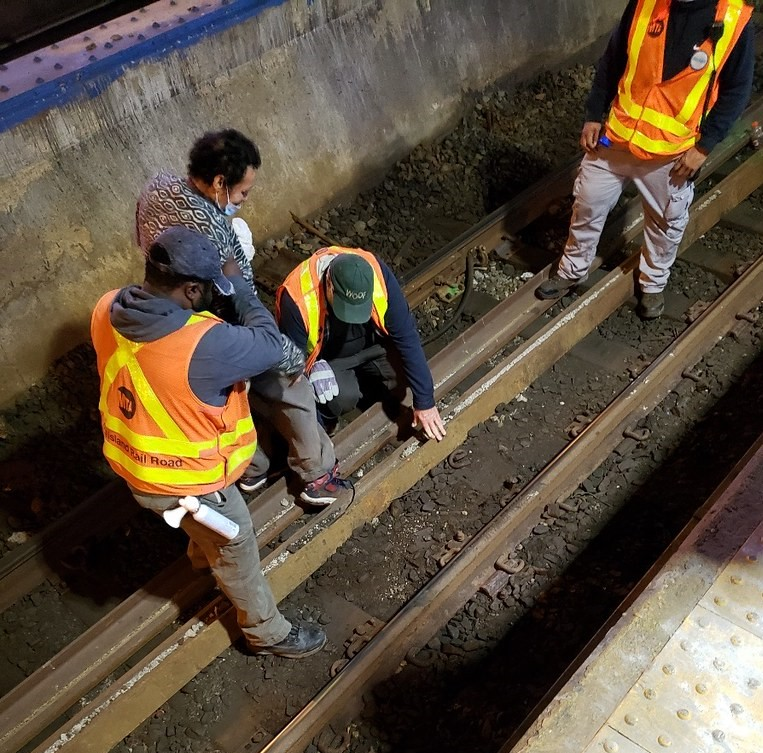
However, others viewed the strike as an act of “greed,” particularly in light of reports that over 250 LIRR workers earn more than $100,000 annually in overtime alone.
Letter writers and opinion pieces underscored a lack of public sympathy for strike demands, given the perceived high salaries, generous pension benefits and allegations of abusing disability laws and fraudulently gaming the system, especially when many commuters struggle with the high cost of living on Long Island.
While the immediate crisis of the strike has been averted, pending membership ratification, the resolution underscores deep-seated and unresolved issues concerning labor negotiations, operational efficiency and the fundamental legal structure governing the LIRR.
Without broader systemic reforms, particularly regarding the modernization of work rules and a reevaluation of the applicable labor laws, the potential for future disruptions remains a significant and recurring concern for Long Island and the broader metropolitan region.