Climate Change Is Happening But Are We Just Complaining?
A reflective climate commentary exploring Africa’s role, responsibility, and vulnerability in climate change, from industrialization to everyday habits and shifting seasons.
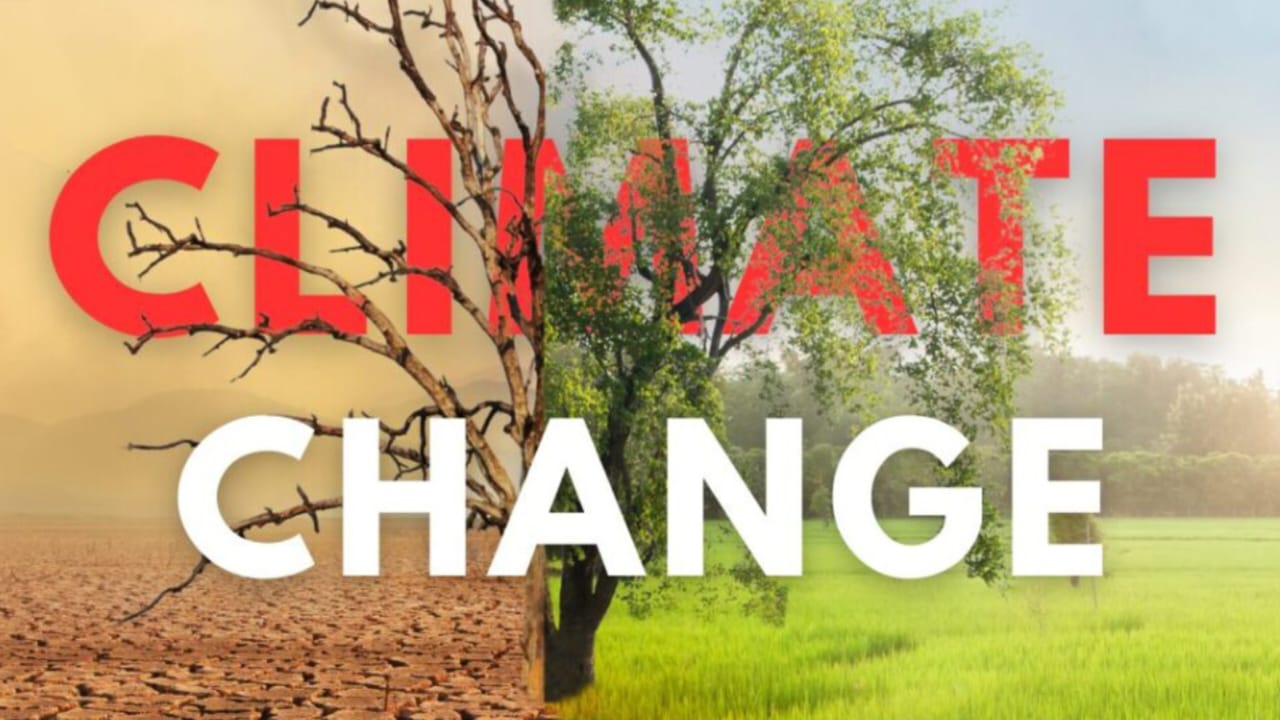
n Africa, especially Nigeria, December used to announce itself without explanation. Harmattan would arrive early, sometimes aggressively. Dust in the air, cracked lips, dry skins, cold mornings that made people layer sweaters in a country known for heat. It was almost predictable. This year, December is already well into its second half, and for many Nigerians, harmattan is nowhere to be found. The air feels warmer. The nights are less sharp. Something feels… off. And as always, the conversation returns: climate change is real, the world is changing, things are no longer the same.
But there is a question we rarely ask ourselves honestly. While we complain loudly about climate change, how often do we acknowledge our own role in it? Not as governments or corporations alone, but as everyday people whose habits quietly shape the environment we depend on.
Climate change has become a familiar phrase, but familiarity has also made it convenient. It is easier to point fingers than to look inward. Yet the story of climate change, especially in Africa, is not just about distant factories or melting ice caps. It is also about daily choices, structural inequalities, and a continent paying the price for a problem it did not create alone.
Climate Change Is Real — But It Is Not New
Before industrialization, the climate still changed. Seasons shifted. Rainfall patterns varied. Droughts and floods existed long before modern economies. Climate, by nature, is dynamic. What makes today different is not the fact that the climate is changing, but the speed and intensity of that change. For instance it is widely acclaimed with scientific evidence that the sahara desert used to be a green savannah.
Scientific data consistently shows that global average temperatures have risen significantly since the late 19th century, closely aligning with the rise of fossil fuel use and large-scale industrial activity. Carbon dioxide levels in the atmosphere are now higher than at any point in human history, largely driven by burning coal, oil, and gas. This acceleration matters because ecosystems, agriculture, and human settlements are struggling to adapt fast enough.
Africa contributes less than 4 percent of global greenhouse gas emissions, yet it remains one of the most vulnerable regions to climate disruption. This is the painful irony. The continent least responsible for the problem is absorbing some of its harshest consequences: unpredictable rainfall, advancing deserts, flooding, food insecurity, and heat stress.
So yes, climate change would exist with or without humans. But it seems like human activity has pushed it into dangerous territory and while Africa did not light the match, we are standing close enough to feel the fire.
From Industry to Individual: How We All Play a Role
When climate conversations happen, industrialization often takes center stage and rightly so. Heavy industries, mass manufacturing and especially the oil and gas industry account for a large share of emissions. The modern world runs on systems built for speed, consumption, and profit, often at environmental cost.
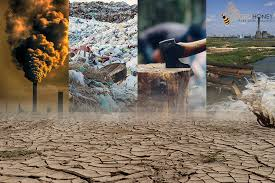
But climate change is not only an industrial problem. It is also cultural. It is reflected in how societies consume, discard, and demand convenience.In many African cities, waste management is weak, but consumption is rising. Plastic use has exploded. Open burning of waste remains common. Diesel generators hum through the night due to unreliable electricity. Old vehicles with heavy emissions dominate roads. Deforestation continues as trees are cut for fuel, housing, and agriculture.
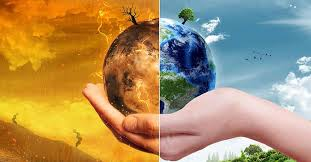
These actions are not rarely driven by intentional acts. They are driven by survival, poverty, weak infrastructure, and lack of alternatives. But impact does not disappear because intent is present or absent. The environment responds to actions, not explanations.
This is where hypocrisy sometimes creeps in. We complain about flooding but the drainage systems in our environments are always filled with waste. We lament heat waves while relying heavily on generators. We curse erosion but allow unchecked deforestation and ignore proper water channel infrastructures . Climate change becomes something that is always happening to us, never with us.
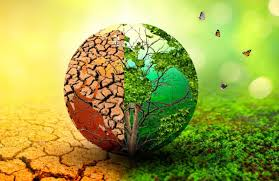
Acknowledging our role does not mean blaming individuals for systemic failures. It means recognizing that solutions require participation at every level. Governments set policies, industries reform practices, and citizens adjust behaviors. None can succeed alone.
Living With the Consequences And Choosing a Different Path
In Nigeria, the missing harmattan is more than a seasonal curiosity. It is a reminder that climate patterns are shifting in ways people can feel without reading a report. Farmers depend on predictable seasons. Fishermen depend on stable ecosystems. Urban residents depend on weather patterns that infrastructure was built to handle. When climate behavior changes, livelihoods follow.
Across Africa, climate-related shocks already displace millions annually through floods, droughts, and food shortages. According to global climate assessments, climate change could push tens of millions more Africans into extreme poverty by 2030 if adaptive measures are not scaled. This is not a distant future. It is an unfolding present, something that we all can see and feel.
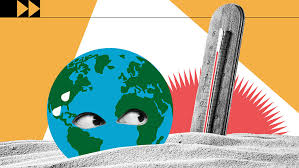
So what can the average African do in the face of such a massive challenge? The answer is not perfection, curated reels or awareness walks, but participation. Environmental responsibility does not have to be elite or imported. It can be practical and local.

Reducing waste, supporting tree planting efforts, avoiding open burning, conserving water, rethinking consumption, and demanding accountability from leaders all matter. So does climate education, especially for younger generations. Cultural shifts happen slowly, but they start with awareness.
Equally important is fairness in the global climate conversation. Africa should not be asked to pause development or be aided for climate issues while others continue polluting. Climate justice means cleaner industrial pathways, technology transfer, climate financing, and adaptation support for vulnerable regions. It also means African voices shaping solutions that fit local realities, not imported ideals.
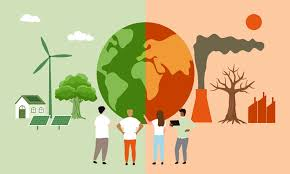
Climate change is not a moral contest. It is a shared condition. Complaining without reflection changes nothing. Action without context fails. The real work lies in holding two truths at once: that Africa is unfairly impacted by global industrialization, and that Africans still have agency in shaping how deeply those impacts cut.
When harmattan delays, when rains arrive out of season, when heat becomes relentless, the environment is speaking. The question is whether we are listening only to complain or listening to change.