Chibolya Erupts: Zambia Police Face Calls for Probe Amidst Extra-Judicial Killing Condemnations
Police in Lusaka have reported gunning down five suspected criminals in Chibolya Compound following an alleged assault on an officer and a confrontation with armed suspects. This incident has drawn sharp condemnation from United for Better Zambia President Hector Soondo, who criticized it as a human rights violation and called for an independent investigation, police reform, and enhanced accountability.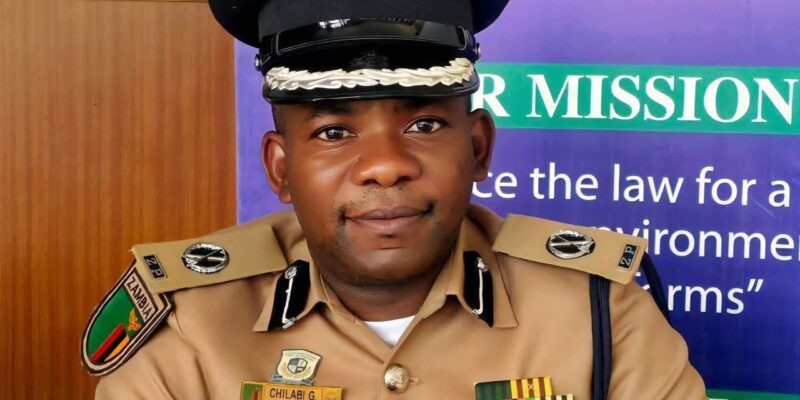
Police in Lusaka have reported the fatal shooting of five individuals suspected of involvement in various criminal activities within the city. The deceased were identified to include Joseph Zulu, also known as “Zed Commander,” and Joseph Lupo, alias “Jay Code.” According to Police Spokesperson Godfrey Chilabi, the shooting incident transpired on April 9, 2026, in Chibolya Compound. This event followed an earlier attack on a police officer in Kalikiliki Compound.
Investigations into the incident are currently ongoing, and the bodies of the deceased suspects have been taken to the mortuary for postmortem examinations. The sequence of events began on April 9, 2026, around 10:00 hours, when Kalikiliki Police Post received intelligence from a member of the public about four suspected criminals, including “Zed Commander” and “Jay Code,” present in Kalikiliki Compound and allegedly armed with pangas and other offensive weapons. A police team, led by Inspector Mutemwa Mweenda and comprising police and Community Crime Prevention Unit (CCPU) officers, was dispatched. They initially apprehended two suspects and recovered machetes, while two others fled.
However, during the escort of the apprehended suspects, the officers were ambushed by accomplices armed with offensive weapons, leading to the escape of those initially detained. Inspector Mweenda sustained a fractured left leg during this attack, and a CCPU officer suffered minor injuries. Later the same day, police received further information indicating that the suspects had regrouped in Chibolya Compound. A joint team from the Anti-Robbery Unit and Mtendere Police Station was deployed. Upon their arrival, they were confronted by suspects wielding pangas, iron bars, and other weapons. Chilabi stated that the suspects aggressively charged at the officers, drawing a hostile crowd that began throwing stones. Despite officers firing several warning shots, the suspects continued to advance, posing what was perceived as an imminent threat to the officers’ lives.
In response to the perceived threat, officers discharged their firearms in accordance with Section 24 of the Zambia Police Act Chapter 107, aiming to restore public order and effect lawful arrests. Five suspects sustained gunshot wounds and were rushed to the University Teaching Hospital (UTH), where they were pronounced dead upon arrival. Offensive weapons, including pangas, iron bars, and an axe, were recovered from the scene. The deceased suspects have been linked to several past criminal cases, including an aggravated robbery of Maherezo Boniface on September 28, 2025, the murder of Dorcus Chimwansa on January 3, 2026, an aggravated robbery at Leya Phiri’s butchery on October 13, 2025, and an aggravated robbery against Tanzanian student Musa Hasabu on December 7, 2025. The Zambia Police Service has initiated an inquiry into the incident.
Conversely, Hector Soondo, President of the United for Better Zambia (UBZ), has vehemently condemned the police killings in Chibolya Compound, categorizing the event as a grave violation of human rights and an unacceptable misuse of state power. In a statement issued in Lusaka, Soondo emphasized that the sanctity of human life must always be upheld, and that police killings are unlawful when excessive force is employed, consequently weakening democratic principles. He warned that a breakdown in trust between citizens and law enforcement undermines the social contract, stating that police officers are mandated to protect life and maintain order, not to act as “judge, jury, and executioner.”
Soondo articulated concerns that such actions could foster long-term negative consequences for communities like Chibolya, potentially fueling anger, deepening mistrust, and perpetuating cycles of violence and instability. He particularly highlighted the risk that young people might grow up believing that justice is unattainable through lawful means, thereby eroding national unity and peace. The UBZ president advocated that policing should consistently be guided by restraint, professionalism, and respect for human dignity, asserting that lethal force should only be a last resort under transparent and accountable circumstances.
To address what he described as a troubling pattern, Soondo called for the establishment of an independent civilian oversight body empowered to investigate complaints against the police and recommend prosecutions. He argued that such a body would be crucial for restoring public confidence and ensuring impartial handling of serious incidents. Furthermore, he urged the government to invest in continuous training for officers, focusing on human rights, conflict de-escalation, and community policing, stressing that modern policing demands skill, discipline, and emotional intelligence over brute force. Soondo also proposed that Parliament strengthen laws governing police conduct to ensure accountability mechanisms are robustly in place and actively enforced, ensuring that justice is not only done but seen to be done.
He underscored the urgent necessity for police officers to be equipped with non-lethal tools to manage high-risk situations without resorting to deadly force. Soondo concluded by stating that the events in Chibolya underscore a worrying trend of excessive force that erodes public trust and undermines confidence in the justice system. He demanded an immediate, transparent, and independent investigation, insisting that all individuals found responsible be held fully accountable, regardless of their rank. He further urged the government to promptly reform policing standards, fortify oversight mechanisms, and ensure officers operate strictly within the bounds of the law and with complete respect for human rights.