Channel Crisis Looms: UK-France Migrant Deal on Brink, Smugglers Poised for Surge

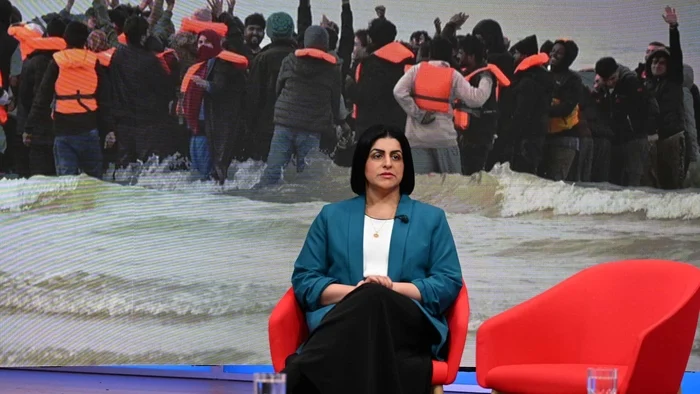
A crucial agreement between the UK and France, designed to fund French beach patrols aimed at intercepting small boat crossings, is reportedly on the verge of collapse. The three-year, £480 million deal, set to expire at midnight on Tuesday, remains deadlocked despite high-level ministerial involvement, including UK Home Secretary Shabana Mahmood.
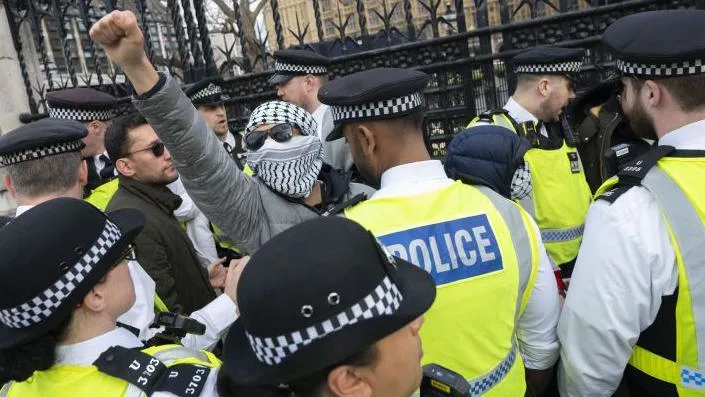
Negotiations have stalled over conflicting demands, with Downing Street insisting on a significant increase in the number and nature of interventions by French officials to disrupt gang activity. Conversely, Paris expresses serious concerns that stringent UK demands could imperil the lives of asylum seekers. A French interior ministry source reportedly stated to Le Monde that "The negotiations have failed. Everything has gone up to the ministerial level." Xavier Ducept, France’s junior minister for the sea, reiterated this sentiment to a French parliamentary commission, emphasizing that while France welcomes British contributions to costly interception systems, the funding must not be conditional on efficiency metrics that could be "extremely dangerous for migrants, for the [security] services, and for France." He stressed that "Rescue comes first. And the law."
The current dispute follows a previous three-year deal in 2023, where then-Prime Minister Rishi Sunak agreed to provide France with £475 million to boost officer numbers for intercepting people on French beaches. Under that agreement, the UK currently covers nearly two-thirds of the annual patrol costs in northern France. However, French authorities presently intercept only about a third of attempted Channel crossings, a decrease from over 50% in 2023 when the existing deal was signed. The Home Office reportedly believes that halting four-fifths of boats would effectively dismantle the people smugglers' model.
UK ministers have privately voiced frustration over France's perceived failure to intercept "taxi-boats" operating in shallow waters. A policy initiated in November by French officials to target empty dinghies was swiftly delayed after police unions raised safety concerns for smugglers, migrants, and officers, along with potential liability issues in case of drownings or injuries.
NGOs on both sides of the Channel have critically assessed such expensive deals, arguing they are ineffective. Lavanya Pallapi, executive director of the Joint Council for the Welfare of Immigrants, asserted that new deals do not prevent crossings and that previous agreements have led to a surge in deaths. Lachlan Macrae of the Calais Food Collective supported this, stating that if governments genuinely aimed to "smash gangs," they would establish safe and accessible asylum routes instead of funnelling more taxpayer money to French police.
Beyond the immediate deal, the UK has paid £658 million in security payments to France since 2018. Past financial scrutiny revealed that some UK funds were used for equipment for French police on the French-Italian border, rather than exclusively the Channel coast. Furthermore, a significant portion of funds was reportedly spent on vehicles (helicopters, cars, motorbikes, e-scooters, quad bikes), surveillance equipment (binoculars, drones, dash cams), and even non-operational items like charging devices, microwaves, car vacuums, and support for a horse brigade in the Somme Bay.
In a broader context of UK immigration policy, the Labour government's separate 'one in, one out' deal with France has also shown limited impact, with only 377 migrants returned to France while 380 entered Britain under reciprocal terms. This scheme is due to expire in June. Home Secretary Shabana Mahmood has announced tough immigration reforms, including proposals to extend the wait time for "indefinite leave to remain" (ILR) from five to ten or even twenty years for refugees. These retrospective proposals, which would affect migrants already living in the UK, have angered Labour's Left wing and face immediate legal challenges, including a crowdfunding campaign that has already raised £25,000. The government has also ruled out leaving the European Convention on Human Rights, a mechanism often used by migrants and foreign criminals to avoid deportation.
Despite the challenges, a Home Office spokesperson maintained that "France is our most important migration partner and together our joint work is bearing down on small boat crossings. We have prevented over 40,000 crossing attempts since this government took office. Our landmark deal means illegal migrants who arrive on small boats are being sent straight back."
You may also like...
Nigeria vs Jordan: Super Eagles Pre-Match Buzz, Injury Scare & Viewing Guide

Nigeria's Super Eagles will face Jordan in the decisive final of a four-nation invitational tournament, with the trophy ...
Margot Robbie's Divisive Blockbuster: $236M Film Hits Digital This Week!

Margot Robbie and Jacob Elordi headline the latest adaptation of Emily Brontë's <i>Wuthering Heights</i>, a film that ac...
Cavill's 007 Bid: Star Reportedly Eyeing James Bond Role in Villeneuve's Reboot!

Henry Cavill, a perennial fixture in James Bond casting talks, has revealed a surprising shift in his ambitions for the ...
Shocking Sci-Fi Twist! 'Paradise' Finale Sets Up Explosive Season 3 Revealed by Star Thomas Doherty

The second season of Hulu's 'Paradise' introduced significant shifts, including Link's pivotal role and the reveal of hi...
African Travel Faces Dire Threat: Nairobi Summit Confronts Payment Fraud Crisis

The African travel sector faces escalating payment fraud threats amid its digital growth, as highlighted by the KTRIPS 2...
Air Algérie Soars: Massive Order for Boeing Jets Signals Major Expansion

Air Algérie has confirmed a major new aircraft order, acquiring ten Boeing 737 MAX 8 jets as part of its expansive fleet...
Alarming Ozempic Side Effects: 'Skinny Jabs' Linked to Pancreatitis and Tumours, Doc Warns!

A heated debate surrounds GLP-1 weight loss drugs in Ireland, with experts clashing over costs, risks, and the need to '...
Cybersecurity Emerges as Core Driver for Africa's Industrial Future

Africa's cybersecurity market is rapidly expanding, yet the continent's industries are digitizing faster than they can s...