The UK's Asylum Revolution And Shabana Mahmood's Bold Bid to Redefine Refugee Status
UK Home Secretary Shabana Mahmood has unveiled a stricter asylum policy, implementing a 30-month temporary protection status for refugees, inspired by Denmark's hardline immigration model. This move, aimed at deterring illegal immigration and addressing public grievances, faces criticism from refugee charities concerned about integration and the practicality of large-scale returns. Mahmood stresses the urgency of these reforms to counter the rise of a populist right in the UK.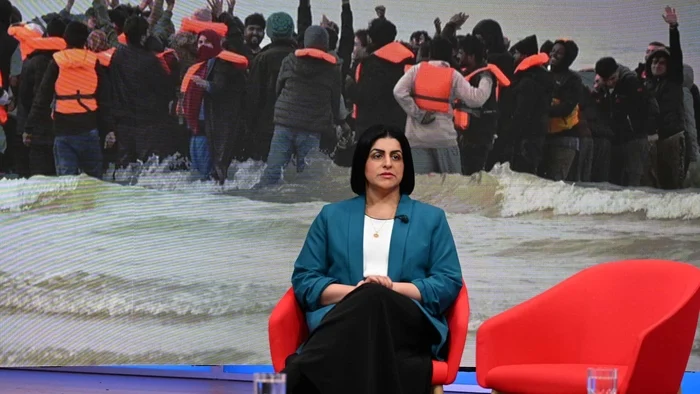
The UK Home Secretary, Shabana Mahmood, has launched an ambitious overhaul of Britain’s asylum system, drawing clear inspiration from Denmark’s hardline immigration process.
During a two-day visit to Denmark, she toured facilities including the Sjælsmark returns centre, a former military barracks housing individuals whose asylum claims have been rejected and who are awaiting removal.
The centre reflects Denmark’s deterrence-focused approach, which grants temporary protection rather than permanent settlement and requires departure if home countries are later deemed safe.
Denmark granted asylum to just 860 people in 2024, while extending temporary protection to 10,000 Ukrainians, and deported 2,600 individuals in 2025 following rejected claims.
Denmark’s model, introduced in 2015, has been described by refugee advocates as operating like an open prison system.
Residents live in shared rooms, adhere to strict curfews, and sign agreements to assist with maintenance, facing penalties for non-compliance.
Although technically free to leave, the presence of fencing, surveillance, and a single access point shows the fact that the facility is a restrictive environment.
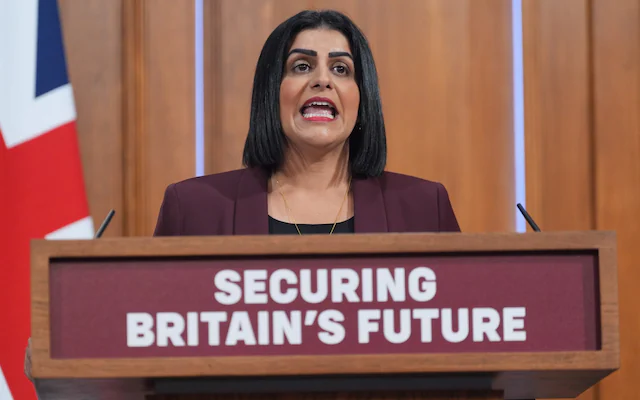
Critics argue that such measures have normalized far-right rhetoric within mainstream politics, particularly under Denmark’s Social Democrat government, which adopted tough immigration policies to regain working-class support.
Mahmood has signaled that the UK must similarly address public dissatisfaction over irregular migration and pressure on services, warning that failure to act could fuel support for populist alternatives.
Central to her reform agenda is a major policy shift that refugees granted status in the UK will receive temporary protection lasting 30 months rather than the previous five-year term that offered a pathway to permanent settlement and family reunification.
Individuals may be required to return home if conditions in their countries improve, and some migrants could face a 10-year wait before qualifying for settlement.
The policy will not apply retrospectively, mahmood argues that the reforms are designed to remove perceived “pull factors.”
Also encouraging dangerous Channel crossings and insists the Home Office has the capacity to conduct the necessary annual status reviews.
The proposals have triggered strong opposition from refugee organizations and some Labour figures.
The Refugee Council warns that repeated short-term reviews could cost up to £725 million and generate more than a million additional case assessments, while undermining long-term integration.
Danish humanitarian officials caution that temporary status discourages language acquisition and community integration, and migration researchers question whether large-scale returns are practically achievable.
During her visit, Mahmood also discussed Denmark’s controversial “ghetto law” but distanced the UK from adopting similar measures, stating that integration is more important than demographic targets.