London's Fury: Pro-Iran Hate March Banned After Public Outcry
The UK Home Secretary, Shabana Mahmood, has banned the pro-Palestinian Al Quds Day march in London, citing serious public disorder risks and controversial support for the Iranian regime. This unprecedented move since 2012 follows extensive calls from MPs and concerns from police regarding potential confrontations. Organisers condemn the ban, asserting their right to peaceful protest and confirming plans for a static demonstration.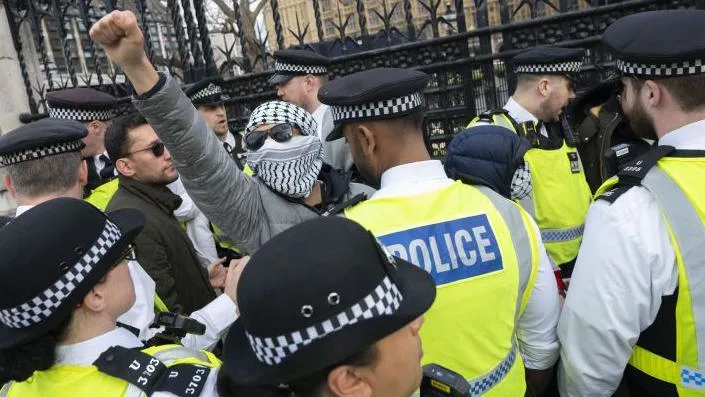
Home Secretary Shabana Mahmood has approved a request from the Metropolitan Police to ban a pro-Palestinian Al Quds Day march planned for Sunday in London, citing the necessity to prevent “serious public disorder.”
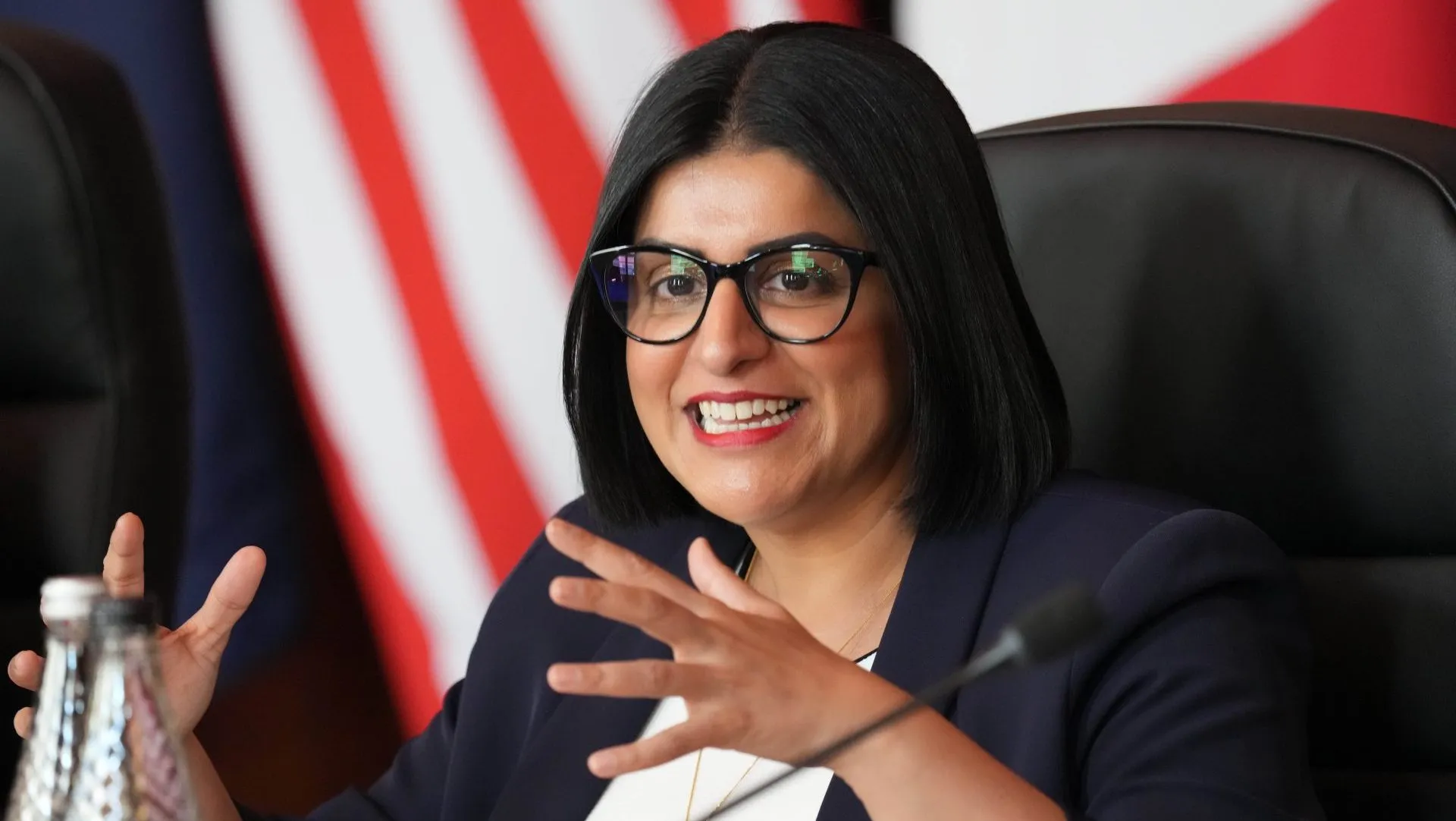
This decision marks the first time a protest march has been banned in the UK capital since 2012, underscoring the perceived gravity of the situation.
The annual Al Quds Day march, organised by the Islamic Human Rights Commission (IHRC), had drawn significant criticism due to its organisers' expressed support for Iran's late leader, Ayatollah Ali Khamenei.
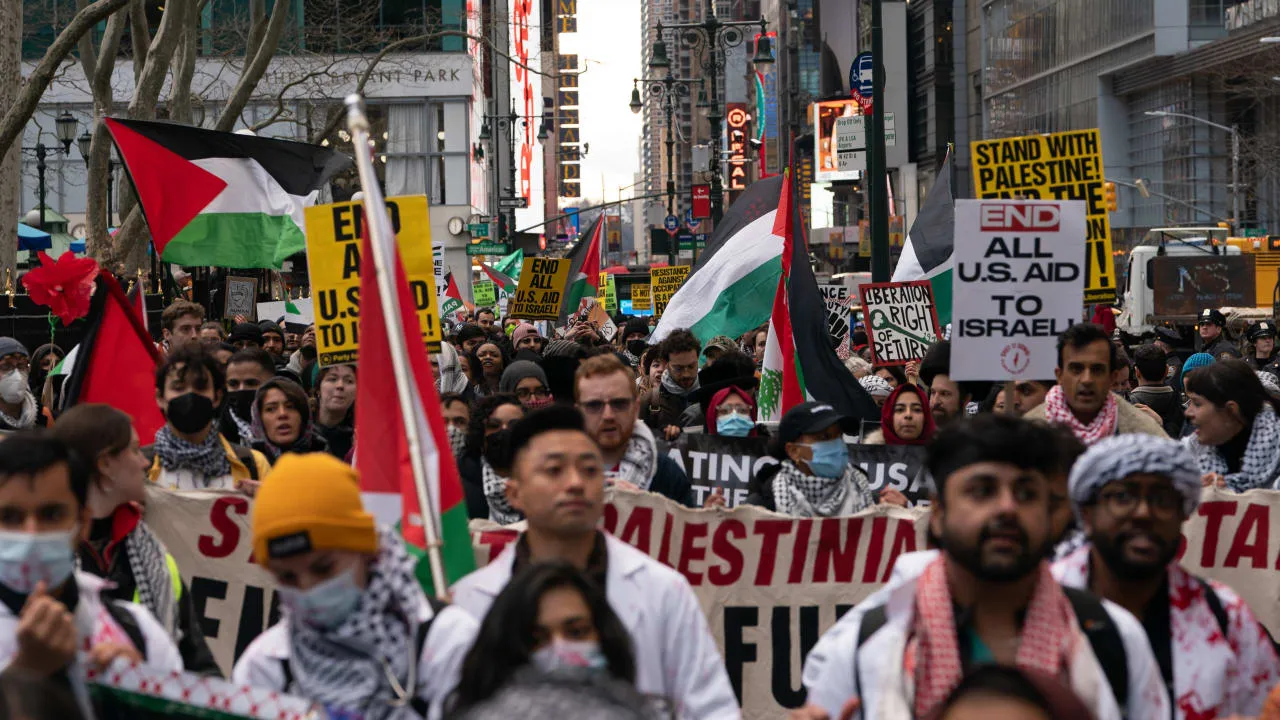
Critics also highlighted that past marches had resulted in arrests for supporting terrorist organisations and antisemitic hate crimes, with some participants reportedly calling for Israel to be 'wiped off the map' and carrying flags of the Iranian-backed group Hezbollah.
The march's origins trace back to 1979 when Ayatollah Ali Khamenei established Al Quds Day following the Iranian Revolution to demonstrate solidarity with Palestinians and oppose Israeli and Western influence.
The Home Secretary stated that her decision was essential “due to the scale of the protest and multiple counter-protests, in the context of the ongoing conflict in the Middle East.”
She emphasized that strict conditions would be applied to any stationary demonstration that proceeds, and that the “full force of the law” would be used against anyone spreading hatred and division.
Labour and Conservative MPs had also called for the march's prohibition, with courts minister Sarah Sackman stating that those supporting “the malign regime in Iran” have no place “on the streets of London calling for hate and hostility against this country.”
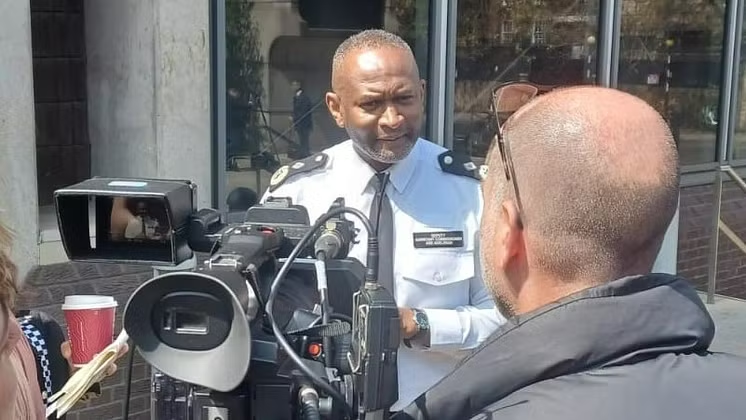
The Metropolitan Police, through Assistant Commissioner Ade Adelekan, explained that the ban was based purely on a risk assessment of this specific protest and its counter-protests.
The force described the international situation as “uniquely complex” and the risks “severe,” concluding that merely placing conditions on the march would be insufficient to prevent serious public disorder.
While the law does not allow a ban on static protests, the Met will impose strict conditions, acknowledging that confrontations could still occur “given the tensions.”
The IHRC, however, “strongly condemns” the decision, announcing that it is seeking legal advice and will proceed with a “static protest” on Sunday.
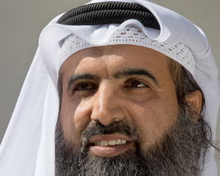
A spokesperson for the IHRC, Faisal Bodi, told the BBC that it was “a sad day for freedom of expression, freedom of assembly and the right of people to legitimately protest about issues they feel strongly about,” noting that the demonstration has taken place peacefully for the last 40 years.
The organisation has previously defended its support for Ayatollah Ali Khamenei, describing him as a “rare role model” who “chose to stand on the right side of history.”