Can a Descendant of an Enslaved African Return to His Ancestor's Homeland 166 Years Later? The Story of Cudjo Lewis
The remarkable story of how Cudjo Lewis, born Oluale Kossola, was taken from Africa aboard the Clotilda and never returned, while his great-great-granddaughter traced their family roots and reclaimed their connection to Benin.
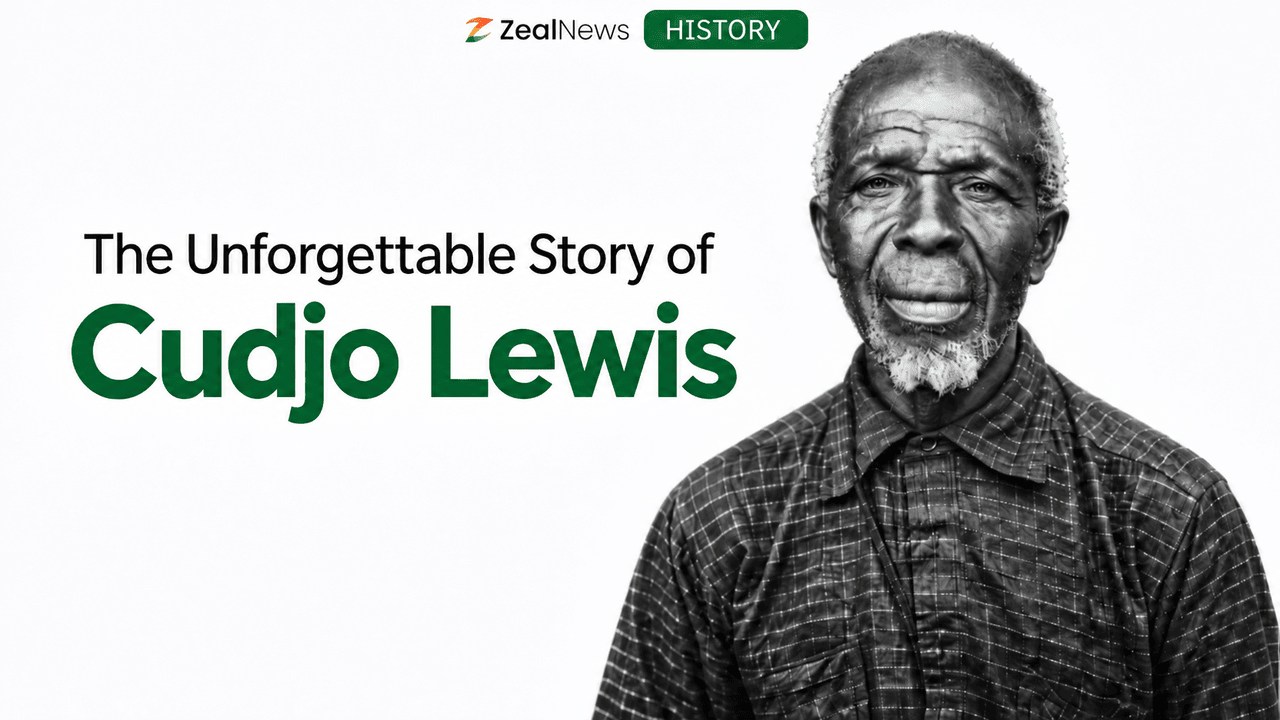
When Cassandra Lewis travelled to Benin in May 2026, she carried a large portrait of a man who had died more than 90 years earlier: her great-great-grandfather, Cudjo Lewis.
Cassandra had grown up hearing about him from her father, Johnny Lewis, who had known Cudjo personally.
Now, through Benin's citizenship programme for descendants of enslaved Africans, she had an opportunity to establish a legal connection with the country her ancestor came from.
The young man taken aboard the Clotilda
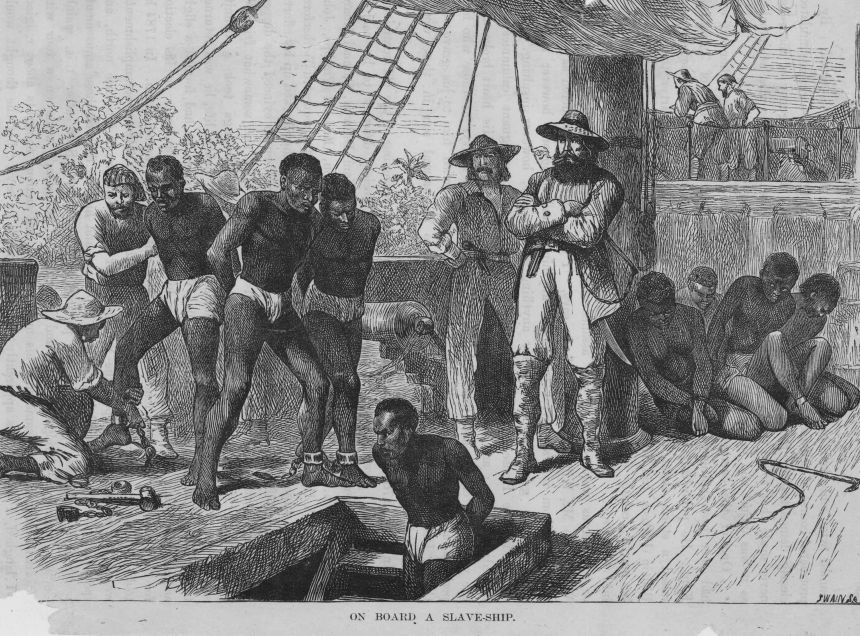
Oluale Kossola (Cudjo Lewis) was born around 1841 in the Bantè region of what is now Benin. He belonged to the Isha, a subgroup of the Yoruba people, and grew up in a community where he had family, friends and an established place in society.
That life was disrupted in 1860. When he was about 19, his community was attacked by forces from the Kingdom of Dahomey. Kossola was captured, taken to Abomey and eventually transported to Ouidah, a coastal town that had become a major departure point in the transatlantic slave trade.
There, he and other captives were sold to an American expedition organised by businessman Timothy Meaher.
Meaher had arranged for a ship to bring enslaved Africans into the United States, despite the country's ban on the international slave trade. Captain William Foster sailed the vessel, theClotilda, to Ouidah, where he acquired 110 captives.
On 8 July 1860, the ship arrived in Mobile, Alabama, after a journey of about 45 days. The importation of enslaved people into the United States had been prohibited since 1808, although slavery itself remained legal. To conceal the illegal voyage, the Clotilda was burned and sunk after delivering its human cargo.
Kossola was enslaved by James Meaher, Timothy's brother, who struggled to pronounce his original name and began calling him Cudjo Lewis.
The name Cudjo was associated with boys born on Monday in some West African naming traditions.
The Clotilda is regarded as thelast known ship to bring enslaved Africans illegally into the United States.
History
Rewind the Stories that Made Africa, Africa
A Journey Through Time, Narrated with Insight.
The life he built after slavery
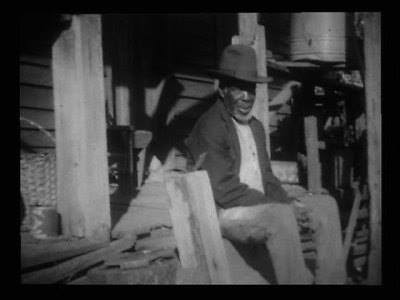
Cudjo remained enslaved until 1865, when the American Civil War ended and slavery was abolished. He and the other survivors wanted to return to Africa, but they could not afford the journey.
They approached Timothy Meaher, who had organised the expedition, hoping to obtain land as compensation. When he refused, they eventually bought land from him and other landowners. Together, they established a settlement north of Mobile, Alabama, which became known asAfricatown.

There, the former captives built homes, raised families and maintained aspects of the traditions they had brought from Africa.
Cudjo married Abile, another survivor of the Clotilda, and they had six children.
All six died before their parents, although some had started families of their own. His eldest son, Aleck, had children, and it was through this surviving family line that Cudjo's descendants continued into later generations.
In 1927, American writer and anthropologist Zora Neale Hurston interviewed Cudjo about his childhood in Africa, his capture and his experiences aboard the Clotilda. She recorded his account in his own words. The interviews eventually became Barracoon: The Story of the Last "Black Cargo", published in 2018, decades after it was written.
Cudjo died in 1935. He had spent about 75 years in America but never returned to the country where he was born.
How his story reached his great-great-granddaughter
Cudjo's descendants continued to preserve his memory, passing down accounts of his life and how he came to America.
One of them was his great-grandson, Johnny Lewis, who spent the first 15 years of his life with Cudjo. He later told his children, including Cassandra, stories about him, imitating his voice, mannerisms and way of speaking.
Through her father's accounts, Cassandra grew up knowing that her ancestor had been taken from Africa aboard the Clotilda, survived slavery and lived in Africatown. She also knew he came from what is now Benin.
That family history eventually gave her a way to pursue a formal connection with his homeland.
History
Rewind the Stories that Made Africa, Africa
A Journey Through Time, Narrated with Insight.
A journey back to Benin
In September 2024, Benin passed a law establishing a route through which eligible descendants of Africans deported from Sub-Saharan Africa during the transatlantic slave trade could acquire Beninese nationality.
The programme is not restricted to people whose ancestors came from the territory of present-day Benin. It also covers qualifying descendants of enslaved Africans taken from other parts of Sub-Saharan Africa.
In July 2025, the country launched an online application platform calledMy Afro Origins. Applicants must establish their ancestry through accepted historical and genealogical evidence, which may include family records, historical documents and DNA evidence, subject to the programme's requirements.
Cassandra traced her lineage to Cudjo and documented the names of the relatives connecting them. She said she could have relied on DNA evidence but wanted the family names preserved in the official record.
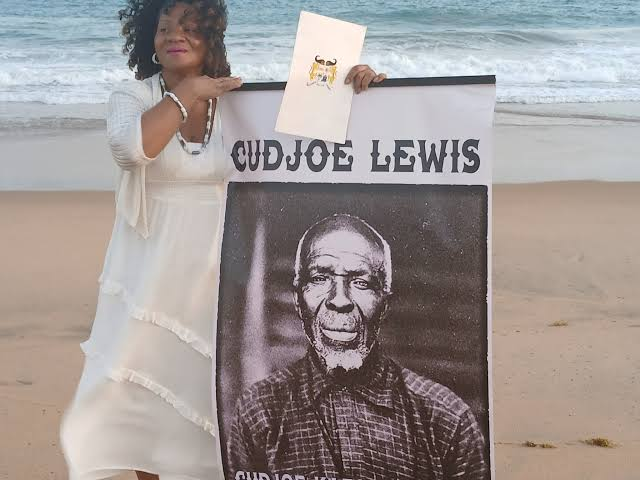
In May 2026, she travelled to Benin and received her nationality documents and passport at an official ceremony. She brought a large portrait of Cudjo to the occasion.
She became the first known descendant of a Clotilda survivor to receive Beninese nationality through the programme. Her documented lineage could also help other relatives establish their own connection through the same family line.
The journey Cudjo could not make
Cudjo was taken from his community as a young man and forced to build a life in a country where he had arrived as property. Even after slavery ended, he never made it back to Africa.
Cassandra’s journey could not restore the years Cudjo spent away from home. But more than 160 years after he was taken from Africa, a descendant of his family was able to return to the place where his story began.
History
Rewind the Stories that Made Africa, Africa
A Journey Through Time, Narrated with Insight.