BVAS Under Fire: Glitches And Impersonation Claims Dog Ekiti Election Integrity
The Ekiti governorship election faced scrutiny over BVAS technical glitches, as former Senator Babafemi Ojudu reported slow accreditation. Meanwhile, INEC refuted viral allegations that uncollected PVCs were given to the APC, asserting that BVAS biometric verification is mandatory for voting and safeguards the electoral process.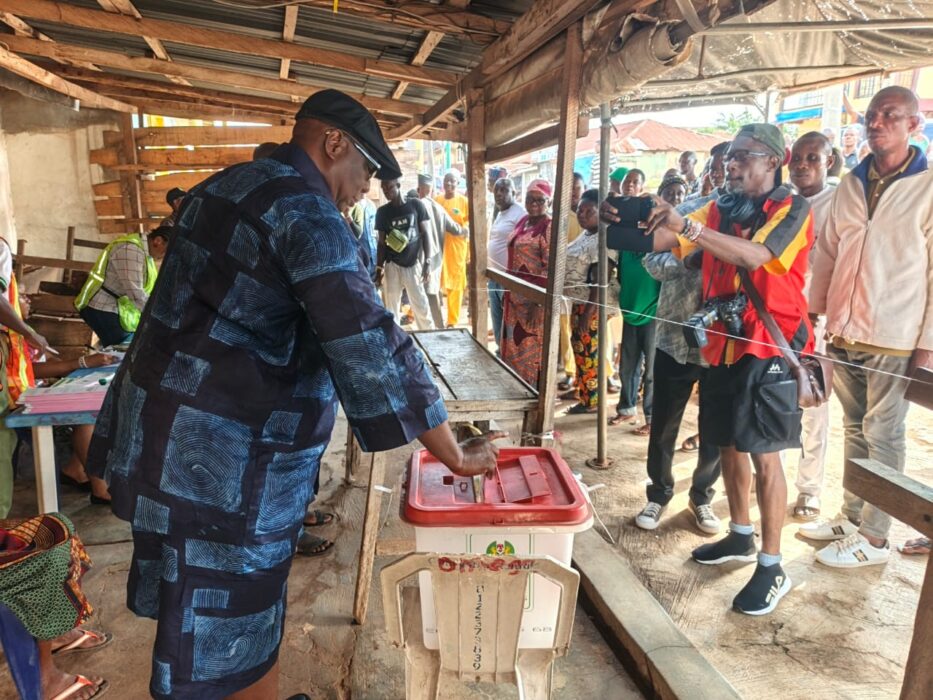
The Ekiti State governorship election, held on Saturday, was marked by contrasting narratives concerning voter participation and the integrity of the electoral process. While a former presidential adviser and ex-senator, Babafemi Ojudu, raised significant concerns about the operational efficiency of the Bimodal Voter Accreditation System (BVAS), the Independent National Electoral Commission (INEC) was simultaneously compelled to debunk serious allegations regarding the handling of uncollected Permanent Voter Cards (PVCs).
Babafemi Ojudu, speaking after casting his vote in Ado-Ekiti, expressed apprehension over the slow pace of voter accreditation. He attributed these delays primarily to technical glitches associated with the BVAS machine, recounting a personal experience where accreditation was briefly halted after the system failed to verify two voters. Despite commending the impressive turnout, Ojudu warned that persistent technical issues could undermine public confidence and discourage participation if not promptly addressed by INEC. He highlighted the cumbersome nature of the process, stating, "Before my fingerprints and photograph could be captured, it took some time. If it takes that long to accredit one voter, then one begins to wonder how many hours it will take for 500 people to vote." Ojudu firmly believed that the challenges at his polling unit indicated a malfunction in the BVAS system.
Concurrently, INEC vehemently dismissed allegations circulating on social media that uncollected PVCs had been improperly handed to the All Progressives Congress (APC) for distribution to non-indigenes to influence the Ekiti governorship election. These claims, notably made in a viral video by social media activist Isaac Fayose, suggested a manipulation of the electoral process.
Reacting to these assertions, Wilfred Ifogah, INEC's Deputy Director of Voter Education and Publicity, unequivocally described the allegations as false and inconsistent with Nigeria’s established electoral procedures. Ifogah clarified that possessing a PVC alone does not confer the right to vote. He emphasized the critical role of the BVAS as the mandatory gateway for voter accreditation at all polling units, explaining its design to prevent impersonation and multiple voting. For a voter to be issued a ballot paper, biometric accreditation via fingerprint or facial verification, linked to the voter’s registration details, is strictly required. "Claims suggesting that possession of another person’s PVC automatically allows voting do not reflect the realities of the electoral process. Accreditation through BVAS is required before a ballot can be issued," Ifogah stated.
The commission reiterated its consistent stance that the Electoral Act and its guidelines incorporate safeguards to ensure that only properly accredited voters participate in elections. Ifogah urged the public to rely on verified information and refrain from spreading unconfirmed reports that could create tension or erode confidence in the electoral system. He further assured voters of INEC's commitment to neutrality and the strict adherence of election officials to established procedures. This official stance underscored INEC's prior warnings against misinformation and fake news, which it considers a significant threat to public trust and the peaceful conduct of elections.