Bukele's Bold Stand: Haitian Gangs Beg for Peace as Salvadoran Forces Land
Following the deployment of Salvadoran troops to Haiti after an ambush left four technicians missing, notorious gang leader Lanmò Sanjou has dramatically shifted from defiance to pleas for peace. This marks a significant turn in the confrontation, highlighting President Nayib Bukele's firm approach to gang suppression and contrasting it with previous international efforts in the troubled nation.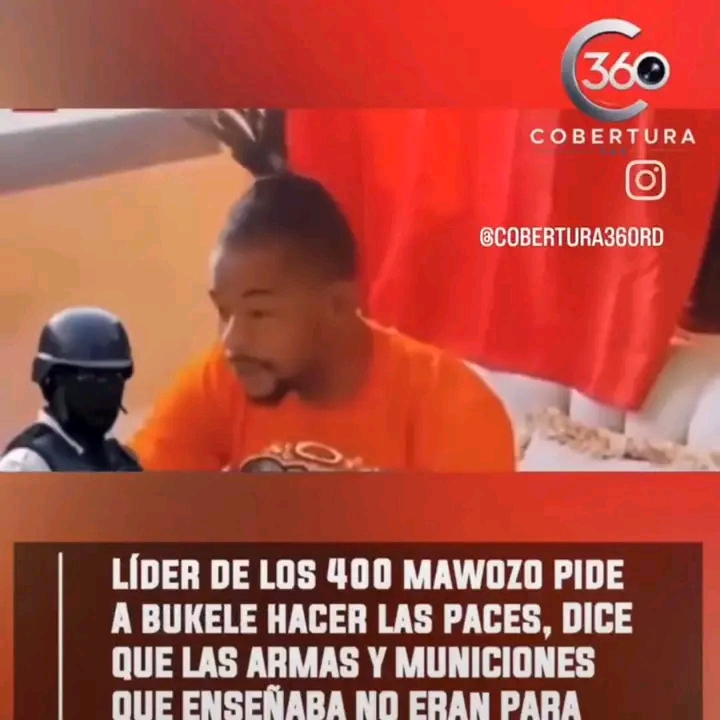
Wilson Joseph, known as Lanmò Sanjou and leader of Haiti’s 400 Mawozo gang, recently released a video requesting peace from Salvadoran President Nayib Bukele, a stark contrast to his earlier defiance. Just days prior, Joseph had openly challenged Bukele while displaying large quantities of ammunition, asserting Haiti was not El Salvador and threatening resistance against any foreign intervention.
This dramatic shift in tone occurred after approximately two thousand Salvadoran soldiers were deployed to Haiti. The deployment was a direct response to an ambush on October 18, where four Salvadoran aviation technicians from a UN-backed Gang Suppression Force were attacked in Croix-des-Bouquets, outside Port-au-Prince. Their armored vehicle was set ablaze, and the technicians have been missing since.
President Bukele promptly ordered a rescue operation that quickly escalated into a full military deployment. By late October, El Salvador had a force of over two thousand troops on the ground, a number comparable to the entire existing multinational mission in Haiti. Bukele issued a severe warning, stating, “Today’s attack is nothing compared to what is coming if we do not get all four hostages back alive,” and declared, “We have already finished with the gangs in El Salvador, and we can finish with you too.” He further characterized Haitian gangs as “satanic” and accused them of practicing human sacrifice, invoking divine support for his mission.
Lanmò Sanjou's initial videos showcased buckets and trays of ammunition, claiming roughly 350 armed men, and rejecting any foreign presence by invoking Jean-Jacques Dessalines while threatening more deaths. This message of pure defiance crumbled upon the arrival of the Salvadoran troops. In his subsequent video, Joseph repeatedly expressed a desire for peace, stating, “I want the peace, I want the peace.” He denied that his previous display of weapons was a threat and insisted he sought peace for his