Bank of Ghana Orders Crypto Firms to Register in New Regulatory Push
Ghana is moving to regulate its rapidly growing cryptocurrency industry, with the Bank of Ghana mandating Virtual Asset Service Providers (VASPs) to register by August 15, 2025. This initiative, part of a broader regulatory framework development, aims to address financial stability, currency volatility, and the widespread use of digital assets, ensuring greater transparency and economic oversight.
Ghana is taking decisive steps to establish a robust regulatory environment for its rapidly expanding cryptocurrency industry. This move comes as the nation grapples with significant growth in digital asset adoption, coupled with concerns regarding financial stability and the impact of unrecorded transactions on its national economy.
A key component of this regulatory push is a recent directive from the Bank of Ghana, mandating allVirtual Asset Service Providers (VASPs) operating within the country to register with the central bank. This initial regulatory process aims to identify and assess entities engaged in various virtual asset-related activities. The scope of services requiring registration is broad, encompassing virtual asset exchange services, wallet custody, settlement or transfer services involving virtual assets, and activities linked to the issuance or sale of virtual assets, including initial coin offerings (ICOs) and stablecoins.
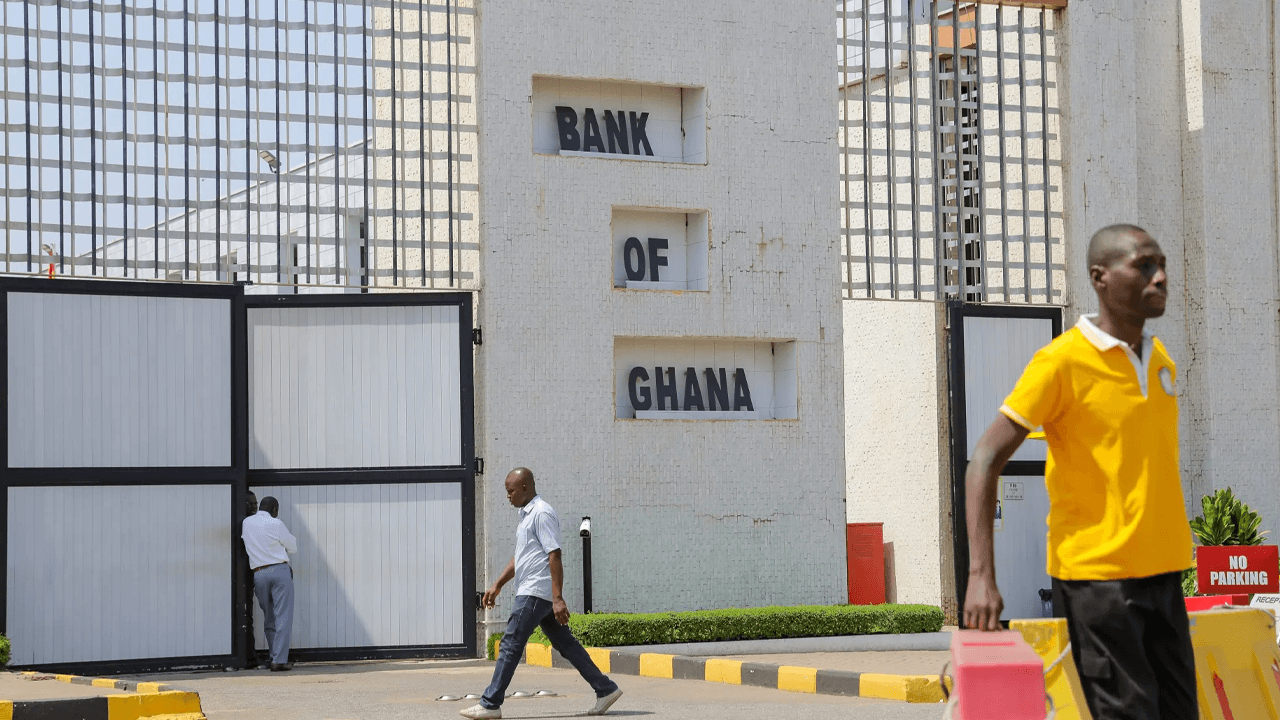
Photo Credit: Bitcoin.com News
VASPs offering services to individuals residing in Ghana, whether through a physical presence or digital platform, are required to complete the registration form by the deadline of August 15, 2025. The Bank of Ghana has made it clear that this registration is compulsory, and non-compliance could lead to severe regulatory action or exclusion from future licensing opportunities.
It is important to note that this registration does not confer a license to operate, nor does it imply legal recognition or approval; rather, it is a foundational step. The Bank reserves the right to issue further instructions as the outcomes of this process unfold, all of which support its efforts to develop a legal and regulatory framework that reflects current market developments and aligns with international standards.
Beyond the VASPregistration, Ghana is actively developing a comprehensive regulatory framework for its digital asset space, which the Bank of Ghana intends to present to Parliament by September 2025. This broader initiative is a direct response to the escalating demand for cryptocurrencies in the West African nation. Reports indicate that approximately 17.3% of Ghanaian adults, equating to about 3 million people, own digital assets, highlighting the widespread nature of crypto adoption.
The urgency for regulation is further underscored by Ghana's economic landscape, particularly the volatility of its national currency. The Ghanaian cedi experienced a more than 40% appreciation against the US dollar in 2025, following a nearly 20% depreciation in 2024. Such currency fluctuations pose significant challenges to the central bank's efforts to control inflation and maintain economic stability. The extensive, often unreported, use of digital currencies complicates these efforts, making it difficult for the government to track money flows and for the central bank to implement effective monetary policy, as unrecorded cryptocurrency usage is not reflected in national accounts.

Photo Credit: Fintech News Africa
To address these challenges, the government plans to license cryptocurrency platforms. This strategic move aims to achieve multiple objectives: ensuring the country generates revenue from the digital assets sector, helping to stabilize the national currency, improving transaction oversight, and reinforcing economic controls. The sheer volume of activity in the sector reinforces this necessity, with crypto transactions in Ghana reaching US$3 billion in the 12 months leading up to June 2024, as part of a larger US$125 billion digital asset investment acrosssub-Saharan Africa.
Through the planned framework and the immediate VASP registration exercise, Ghana intends to bring greater transparency and accountability to its emerging digital assets market. The government's overarching hope is that these concerted efforts will foster sustainable growth in the sector while robustly safeguarding the country’s financial stability against the potential risks associated with an unregulated digital currency landscape.