Are You Part of the Many That Sees Preventive Care as "Unnecessary"?
It’s funny how we ignore preventive care… until we become the victim of what we could have avoided. This piece looks at why most people delay check-ups, good food, enough sleep, regular exercise and pay the price later.

Let’s be honest: most people think preventive care is optional. If you feel fine, why bother checking your blood pressure, sugar, or cholesterol?
Going to the doctor when you’re healthy feels weird, almost like admitting you’re paranoid.
Most times, we really do not see preventive care as something we should be intentional about, until we become the victim of what we could have prevented.
We avoid it because we feel fine.
No pain. No symptoms. No obvious problem.
So what exactly are you supposed to be checking for?
Not even in a time like this where money is tight and time is even tighter, going to the hospital without being sick feels like a strange hobby.
Probably something only paranoid people or health influencers do.
Until one day, something goes wrong. And suddenly everyone wishes they had gone earlier.
Preventive care is one of those ideas that sounds sensible in theory and inconvenient in real life.
Routine check-ups. Screenings. Blood tests. Blood pressure monitoring.
Things doctors keep recommending and most people keep postponing.
Not because they don’t believe in medicine but because prevention doesn’t feel urgent.
Illness announces itself loudly. Prevention whispers.
Preventive care isn’t just about checkups alone, it starts with sleep, food, and movement.
Skipping rest, eating poorly, or staying sedentary quietly damages your health over time.
Getting enough sleep helps your immune system and mood, while a balanced diet and regular exercise protect your heart, metabolism, and overall wellbeing


These everyday habits may seem small, but they’re some of the most powerful ways to prevent illness before it strikes.
The Centers for Disease Control and Prevention (CDC) describes preventive care as actions taken to detect health problems early or stop them before they start, things like regular screenings, vaccinations, and lifestyle checks:
Early detection can mean simpler treatment, lower costs, and better outcomes. But that logic doesn’t compete well with daily life. People are busy. People are tired. People don’t want bad news on a random Tuesday.
So they wait.
There’s also fear.
A quiet one.
What makes this more frustrating is that many of the most dangerous conditions are silent. High blood pressure rarely announces itself. Diabetes can creep in quietly. Some cancers show no obvious symptoms early on.
MedlinePlus explains that conditions like hypertension are often discovered accidentally during routine exams not because patients felt unwell:
By the time symptoms appear, damage may already be done.
Then there’s the cost argument.
“I can’t afford regular check-ups.”
Fair point. Healthcare isn’t cheap. But emergency care is usually far more expensive both financially and emotionally. Treating advanced illness costs more than preventing it.
Managing complications costs more than managing risk. Prevention isn’t cheap, but neglect is expensive.
We should understand that preventive care reduces long-term healthcare costs and improves quality of life.
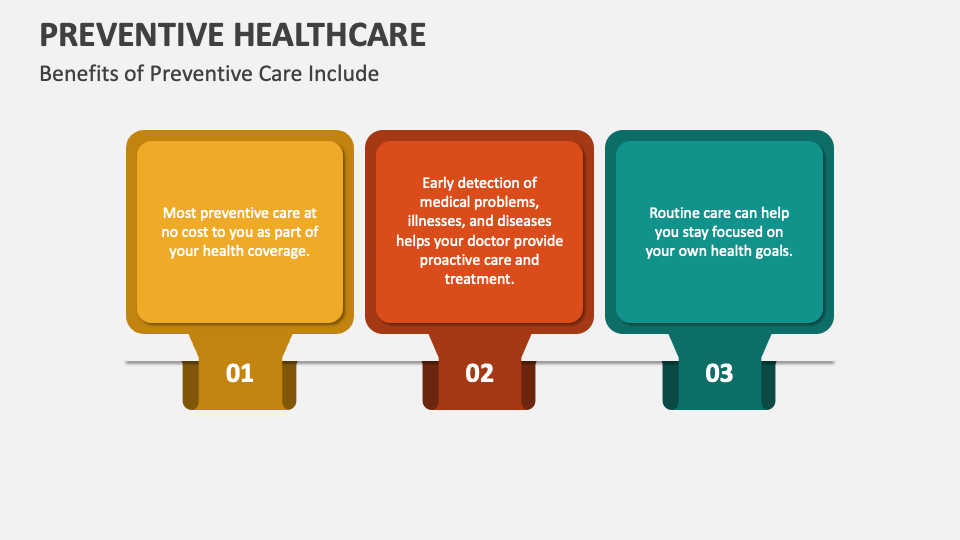
The math is simple. Our behaviour isn’t.
Another reason prevention gets ignored is cultural. Some societies reward endurance.
You know, you are praised for “pushing through.” Rest is laziness. Check-ups are for people who complain too much. This mindset turns suffering into a badge of honour and prevention into weakness.
By the time people seek help, they’re already exhausted, in pain, or dealing with complications that could have been avoided.
Preventive care also doesn’t feel dramatic.
There’s no immediate payoff. No instant transformation. No viral “before and after.” You don’t leave a routine check-up feeling heroic. You leave feeling… normal. And normal doesn’t sell.
But boring health habits are often the most powerful ones. The Cleveland Clinic explains that preventive care includes screenings, vaccines, and check-ups, they are all quiet actions that can prevent major problems later
Vaccinations are another good example. They work so well that people forget why they matter. When diseases become rare, prevention feels unnecessary. Until outbreaks happen.
Then panic follows.
Prevention works quietly. That’s its curse.
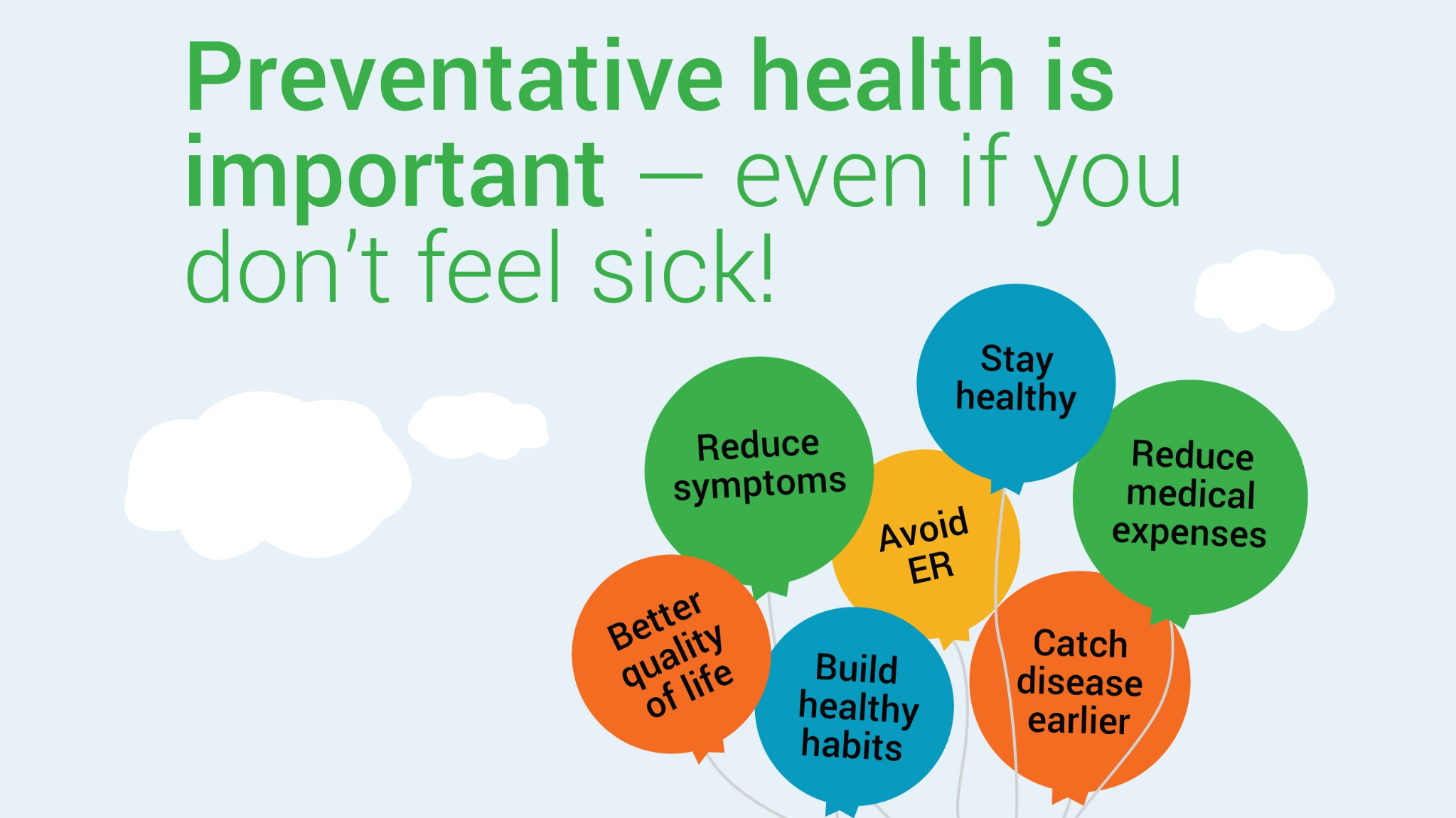
There’s also a misunderstanding about what preventive care actually means. It’s not just hospital visits.
It includes regular movement, balanced eating, managing stress, getting enough sleep, and paying attention to mental health. Small, consistent choices compound over time, for better or worse.
Ignoring stress, for instance, doesn’t make it disappear. It just finds another way to show up. The American Heart Association links chronic stress to heart disease, high blood pressure, and other long-term health issues:
Again, none of this feels urgent, until it is.
And like we know now, people don’t take preventive care seriously until they’ve had a scare. A sudden diagnosis. A hospital visit. A close call involving someone they know.
Prevention becomes obvious only in hindsight.
That’s a terrible way to learn.
Preventive care doesn’t promise immortality. It doesn’t guarantee you’ll never get sick. What it offers is time, time to act early, time to manage risk, time to make adjustments before things spiral.
It’s not about obsessing over health. It’s about respecting your future self enough to show up now.
We live in a culture that reacts well but prepares poorly. We mobilize for emergencies but ignore quiet warnings. Preventive care asks us to do the opposite: pay attention before chaos arrives.
It’s not dramatic. It’s not exciting. It won’t trend online.
But it works.
And in a world obsessed with quick fixes, choosing prevention might be the most radical health decision you can make.