Are African Men in Power Intimidated by Female Leadership?
Is the underrepresentation of women in African politics merely structural oversight or evidence of a deeper fear among male elites? This analysis talks about why female leadership remains constrained across much of the continent.
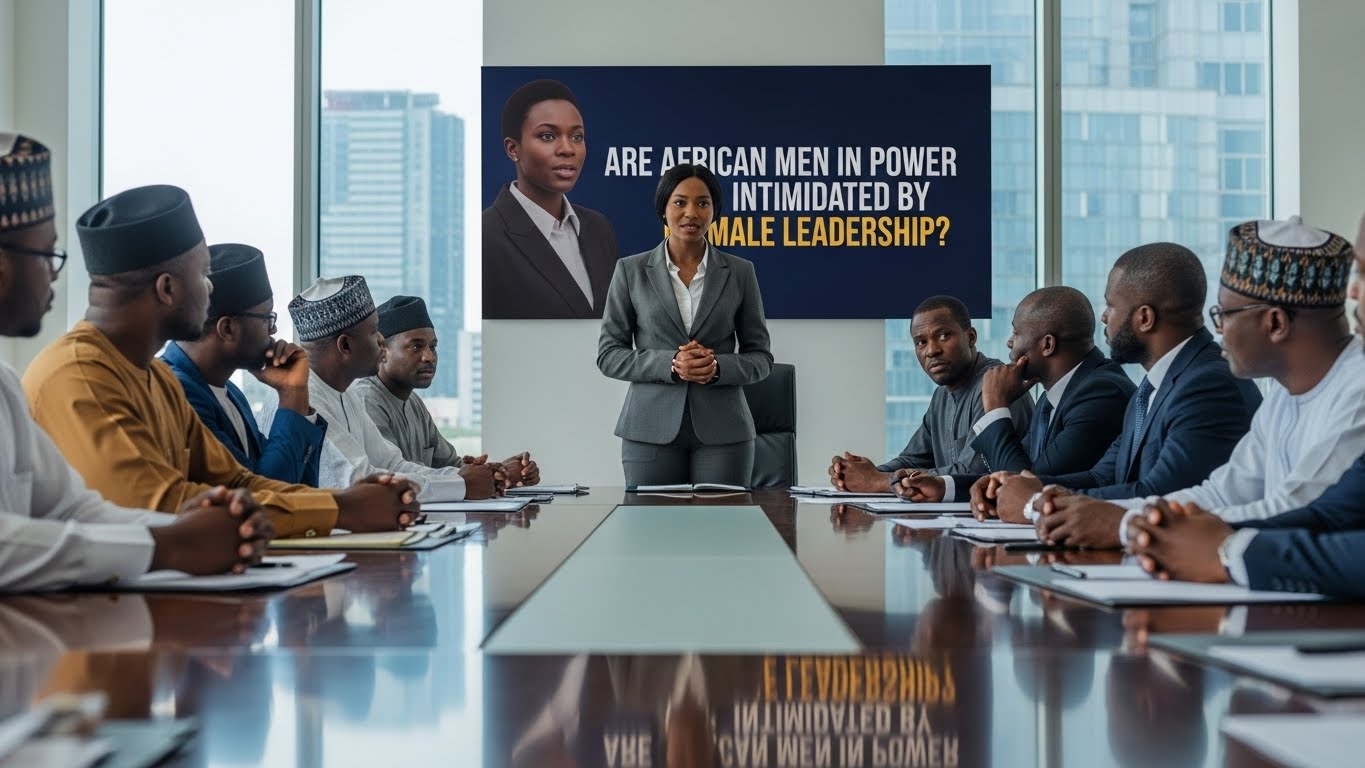
Nothing exposes Africa’s political discomfort like the rise of a confident woman. Her presence alone challenges long-standing traditions, unsettles old alliances and forces a conversation many would rather avoid. It is in these moments that the continent’s struggle with gender and power becomes unmistakable.
Across many African nations, the debate around women’s participation in politics has grown louder over recent years, yet real power remains overwhelmingly in male hands. Some countries have pushed for substantial female representation, while in others women’s presence in leadership remains marginal. This gap reveals more than just statistical imbalance; it reflects deep-rooted resistance in many political systems to genuine female leadership.
The recent 2024 report by the Inter‑Parliamentary Union (IPU) shows that women now occupy 27.2 % of parliamentary seats globally, up from only 11.3 % in 1995. But for Africa, the picture remains starkly inconsistent: while a few countries embrace progressive quotas and gender-balanced representation, many others lag behind, offering only a symbolic presence to women instead of substantive roles.
Across the continent, this uneven landscape suggests more than just structural inertia, it hints at a deeper discomfort among many male leaders with women wielding real authority. Over decades, power in Africa has been deeply gendered, with decision-making spaces shaped around men’s networks, interests, and authority. For a woman to challenge that status quo by running for high office, shaping policy, or heading powerful ministries is often treated as a disruption rather than an advancement.
Where progress is visible, quotas or political commitments have often played a role. In South Africa and Mozambique, for example, women hold a significantly higher share of parliamentary seats compared to much of West Africa. Yet even in those countries, female politicians often remain underrepresented in ministries and sectors that carry real decision-making clout, such as finance, foreign affairs, or defense. Data shows that, across African governments, women are more likely to be assigned to social-policy portfolios rather than strategic ministries.
Take Rwanda, In 2024, women hold 63.8% of the seats in its lower house of parliament, making it one of the few nations in the world where women form a majority in the legislature. Its upper house (Senate) also tipped past the 50 % mark after the most recent elections. There, women are not just present, they lead. The country recently elected a female Speaker of Parliament, a milestone in its political history.
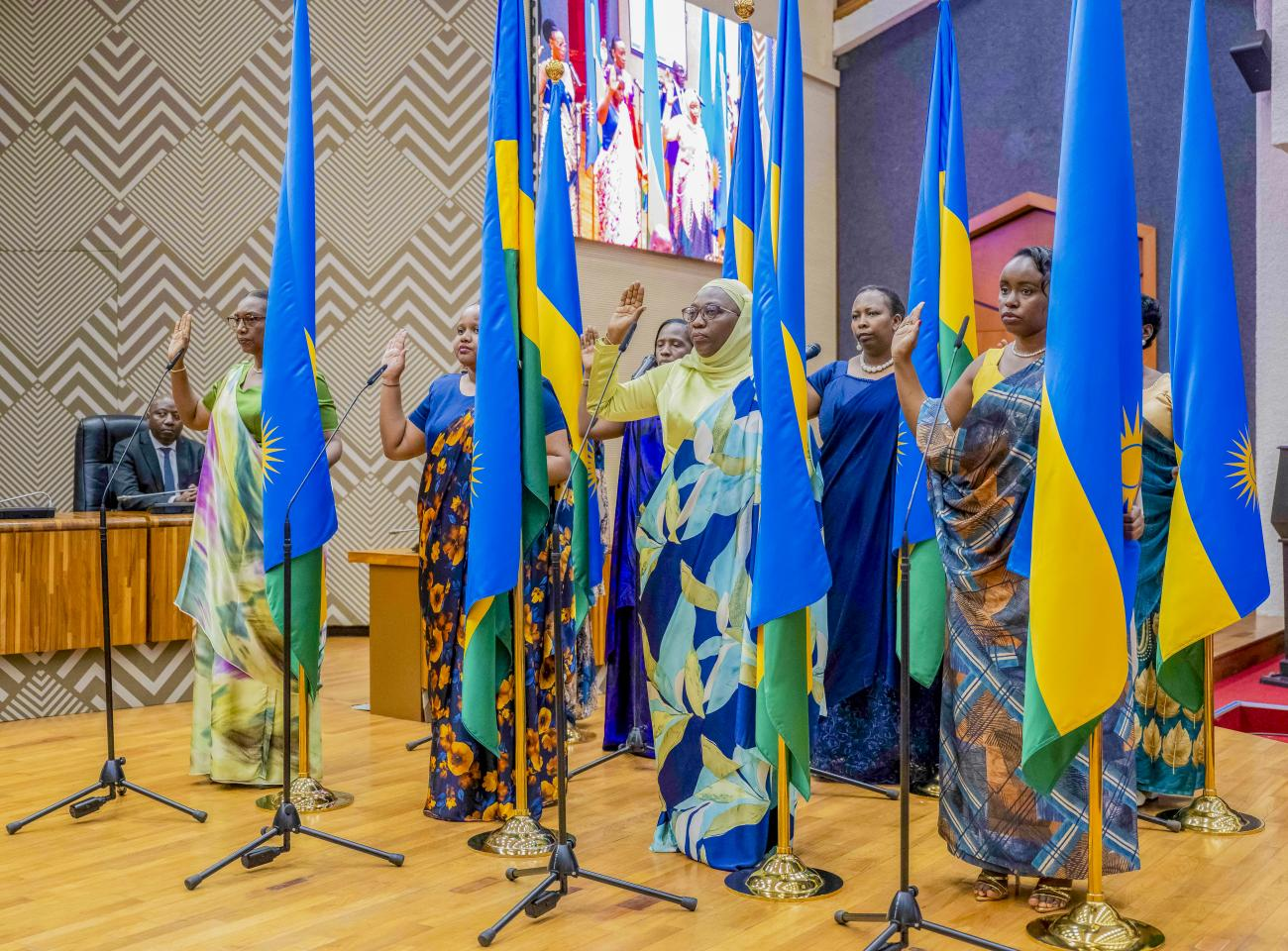
Yet Rwanda remains an outlier. According to the 2024 Women’s Political Participation Africa Barometer, across Africa women make up only 26 % of lower-house parliaments and 21 % of upper houses. That means on average, three out of four seats remain with men.
The pattern often plays out beyond mere numbers. In many African political parties, candidacy and nominations remain gate-kept by male-dominated leadership. Women who dare to contest serious positions frequently face discouragement or are given “safe but powerless” portfolios. Where women are included, they are more often seen in social affairs, culture or gender-ministry roles, fields perceived as acceptable for women, but rarely in sectors like finance, defense or foreign affairs, where real power and decision-making lie.
But beyond structural bias there is a subtler, harder-to-name factor: fear. For many male politicians, female ambition represents unpredictability. A woman in authority may disrupt patronage networks, challenge entrenched interests, or reframe governance priorities. This fear often manifests not in open hostility, but in passive resistance: delaying decisions, assigning symbolic roles, or quietly sidelining women from influential positions.
Such fear is not baseless. Women who attempt to break into these circles often face harassment, defamation, or social backlash. The burden of proof is higher. Their competence is questioned more harshly; their mistakes, amplified. As a result, many capable African women prefer to stay away from politics altogether, creating a self-reinforcing cycle of male dominance.
In countries where women remain a small minority in parliament or executive office, such as Nigeria, this fear manifests clearly. Women in Nigeria’s national legislature are extremely few, reflecting how intimidation may act as a deterrent not only to female leadership but to female participation in politics altogether. Societal norms, lack of financial support for campaigns, and political gatekeeping combine to keep many capable women out of the race long before election day.
Social Insight
Navigate the Rhythms of African Communities
Bold Conversations. Real Impact. True Narratives.
Still, the example of Rwanda proves that change is possible. When political will meets structural reforms, such as constitutional quotas, inclusive party nomination processes, and commitment to gender parity, female leadership can go beyond tokenism to genuine power. Women’s dominance in parliament has helped shape legislation, bring social issues to the fore, and challenge stereotypes of governance as a male-only domain.
That success carries a clear lesson for other African states. If the continent is to unlock the full potential of its people, half of whom are women, then political systems must evolve beyond symbolic gestures. Women should be encouraged not only to run, but to lead. Parties must open nomination corridors. Electoral financing must be made accessible. Harassment must be penalized. And societies must begin to view leadership not through gendered lenses, but through competence and vision.
At stake is more than representation. It is the future of governance itself, whether African states will continue to reproduce the same male-centered power structures, or dare to reflect the full diversity of their populations. The hesitation and discomfort many men in power feel toward female leadership is not just about gender. It is about loss of control, uncertainty, and a challenge to old hierarchies.
I will say that the hesitation surrounding female leadership in Africa has less to do with women’s capability and more to do with a fear of change. The continent has relied on male-dominated structures for generations, and anything that challenges that familiar order tends to be resisted. But refusing to embrace women in positions of real authority only slows Africa’s political growth. If African nations are serious about progress, then they must stop viewing women’s ambition as a disruption and start seeing it as the strength it truly is.
As more women step forward despite the obstacles, the question becomes urgent: Will Africa embrace them or continue to fear what their leadership might bring? The answer could define what the next decades of African politics look like.
