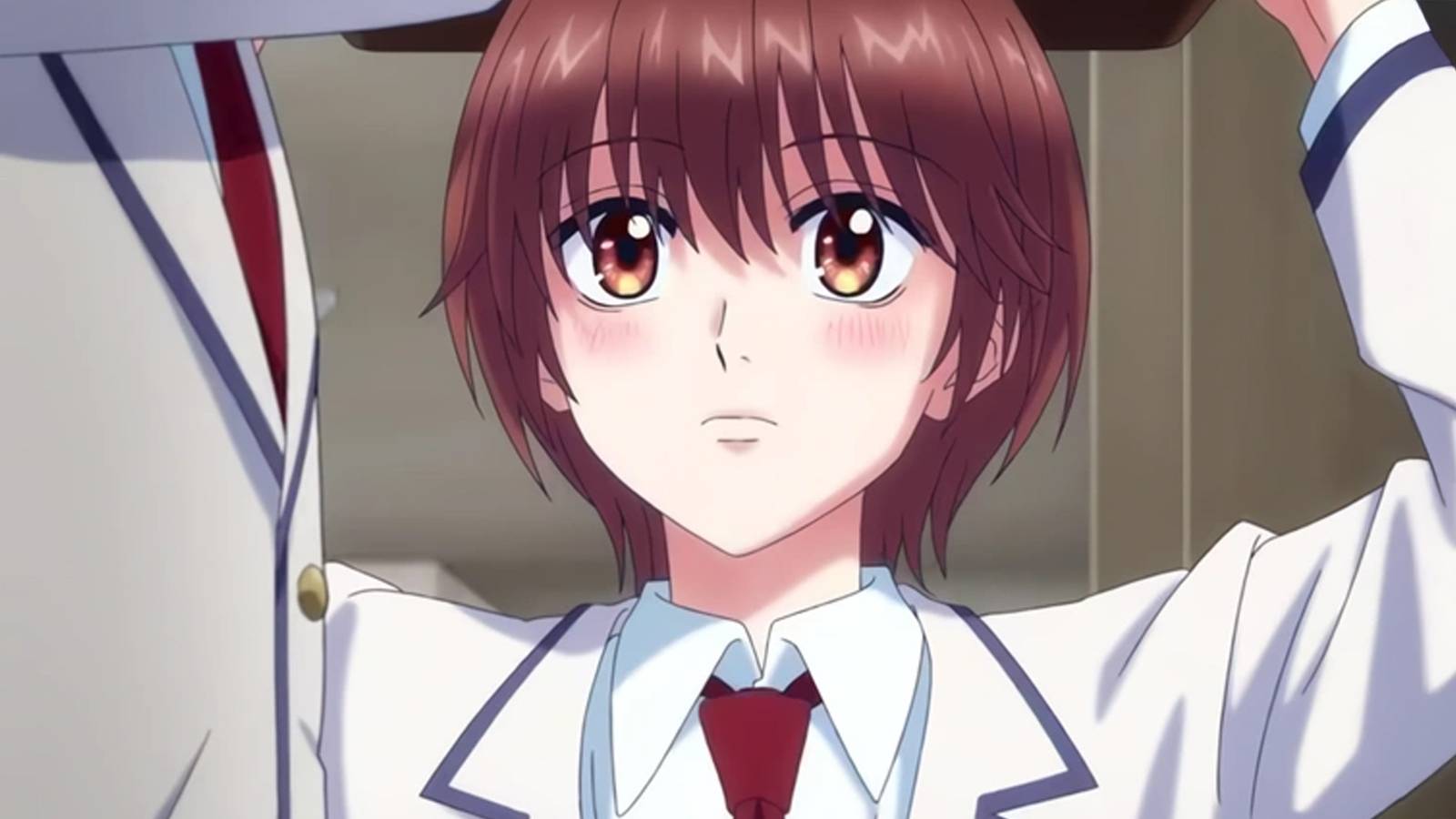
Anime Stuns Fans: Crunchyroll's Adaptation Rewrites Iconic Manga Romances!
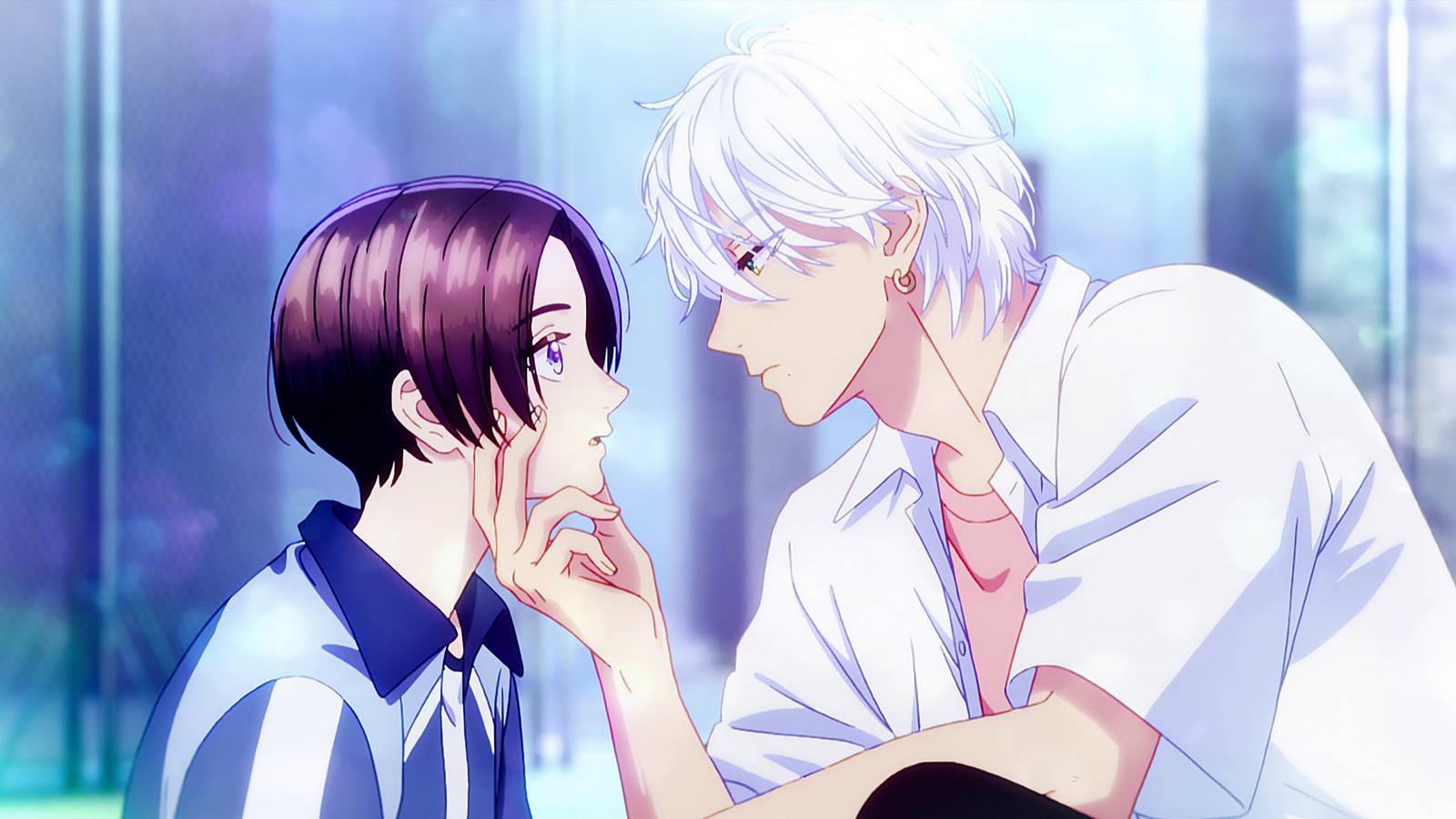
The recent winter anime season presented a rich selection of romance series for fans, from adaptations like Hana-Kimi and the second season of Anyway, I’m Falling in Love with You, to charming new entries such as You and I Are Polar Opposites. Amidst this crowded field, one standout success captivated audiences with its relatable first-love narrative, compelling characters, and exquisite animation: In the Clear Moonlit Dusk. This series centers on Yoi Takiguchi, an androgynous girl often called “Prince” by her peers and frequently mistaken for a boy. Her perspective shifts dramatically upon meeting Kohaku Ichimura, a popular upperclassman also known as a “Prince,” who becomes the first person to truly see her and call her beautiful. This encounter prompts Yoi to ponder the authenticity of her burgeoning feelings for him.
Collider recently had the opportunity to interview Head Writer Ayumu Hisao, who provided deep insights into the intricate process of adapting the beloved manga to the screen. Hisao emphasized the team's commitment to preserving every element that made the original work special, stating that “everything” from the manga was crucial to translate into animation. This dedication extended to maintaining the subtle, gaze-driven chemistry between Yoi and Kohaku, which forms the emotional bedrock of the series.
Translating the delicate internal emotions, often conveyed visually in the manga, presented one of the most significant challenges. Hisao described this as a "tough process," as articulating these non-verbal expressions into script dialogue risked losing their inherent nuance. However, this rigorous process of putting emotions into words ultimately allowed the staff to delve deeper into the characters' feelings and share a profound understanding within the team.
Adapting a monthly serialized manga into a structured 12-episode, 30-minute anime format required strategic reimagining. The creative team meticulously mapped out the delicate emotional journeys of Yoi and Kohaku, determining what needed to unfold in each episode to drive the narrative toward a satisfying climax, especially since the anime’s storyline had to reach its peak in the middle of the original manga’s ongoing plot.
Hisao believes the story's emotional impact stems from Yoi's character as an “oshi” type protagonist – an attractive figure one can look up to and fall for. Seeing such a character navigate the struggles of romance with her senpai evokes strong empathy, making readers and viewers actively root for her. The narrative's strength lies in its brilliant capture and vivid depiction of subtle, delicate emotional changes that are often overlooked in daily life.
The most rewarding aspect of bringing this story to animated life, according to Hisao, was the sheer challenge of expressing the original work's appeal through a new medium without diminishing its charm. While the anime largely follows the original, this was a deliberate choice, resulting from a scene-by-scene consideration of how each moment should be treated for animation.
Capturing the unique dynamic between Yoi and Ichimura was central to the adaptation. The script meticulously focused on the "line of sight," a consistent and symbolic element throughout the 12 episodes, illustrating how eyes subconsciously follow the person one is in love with. This visual motif effectively conveys their unspoken connection.
Mika Yamamori, the original mangaka, and her team were heavily involved in the adaptation process. They meticulously reviewed the series structure and scripts, providing feedback for each episode. In a testament to her dedication, Yamamori-sensei even personally storyboarded an anime-original scene for episode 10. This direct collaboration ensured that any necessary changes, whether due to rights issues or for anime-exclusive content, harmonized seamlessly with the original manga’s atmosphere.
The unique perspective brought by the anime team manifests through elements inherent to animation: colors, lights, voices, movements, sounds, and music. These elements coalesce to tell the story in a way exclusive to the medium, showcasing the staff's creativity. For instance, dialogues and monologues were tweaked for better aural understanding, director Maruyama emphasized continuity of movement for a natural flow, and a pinwheel was effectively added in episode 7 by writer Naruhisa Arakawa – all examples of how the staff collaborated to highlight the manga’s appeal through animation.
Among all the episodes, Hisao holds a particular fondness for the one where Yoi and Kohaku go to eat gyoza dumplings. He recalled how the original manga vividly captured Yoi's racing heart and rising temperature when Kohaku unexpectedly sat beside her. This scene, though not dramatic or a major event, perfectly exemplifies the manga’s power in portraying subtle, realistic human emotions.
You may also like...
Super Eagles' Rollercoaster March: Dissecting Iran & Jordan Friendlies

Nigeria's Super Eagles used the March international window to assess depth and tactical direction, securing a win agains...
Spider-Man Sensation: Fan-Favorite Peter Parker Actor Returns for New Movie

Jake Johnson confirms his return as Peter B. Parker in <i>Spider-Man: Beyond the Spider-Verse</i>, promising a significa...
Megan Thee Stallion's Candid Confession: A 'Wake-Up Call' After 'Moulin Rouge!' Hospitalization

Megan Thee Stallion was hospitalized after departing Broadway's Moulin Rouge! mid-show due to extreme exhaustion, dehydr...
Political Firestorm: London Mayor Slams Ye's Wireless Fest Booking

London Mayor Sadiq Khan has expressed strong disapproval regarding Wireless Fest's decision to book Ye as a headliner, c...
Anime Stuns Fans: Crunchyroll's Adaptation Rewrites Iconic Manga Romances!
Discover the intricate process behind adapting the hit romance anime <i>In the Clear Moonlit Dusk</i>. Head Writer Ayumu...
Strategic Alliance: Ethiopia and Russia Unveil New Roadmap for Nuclear Energy Cooperation

Ethiopia and Russia are deepening their nuclear energy cooperation, marked by a meeting between Ethiopia's Foreign Minis...
Hyundai Unleashes Bold Boulder Concept: Challenging Off-Road Rivals

Hyundai's Boulder concept is poised to challenge the Jeep Wrangler and Ford Bronco in the U.S. off-road market. To succe...
Ripple Ignites Controversy: Nearly 180 Million RLUSD Tokens Incinerated in Hours

Ripple's regulated RLUSD stablecoin experienced a historic market cap reduction, losing $340 million due to a massive to...