Afrobeats to the World: The Economic Impact of Nigerian Music Globally
How Much Does the Nigerian Music Industry Make — And Where Did It All Begin?" Explore the rise of one of Africa’s most influential music industries. From its humble beginnings to its current billion-dollar impact, discover how Nigeria’s music scene became a global powerhouse — and just how much it's really worth today.
Introduction: From Local Rhythms to Global Stages
In 2013, total entertainment and media revenue (including music) was $44.8 million. By 2015, music sales alone hit $56 million, projected to reach $88 million by 2018. Most revenue was still domestic, with international earnings minimal.
In 2024 alone, Nigerian artists earned over ₦58 billion (about $38 million) in royalties from Spotify. That’s five times what they made just two years prior—and it’s only one platform. On Apple Music, YouTube, and across sold-out arenas from London to Atlanta, the rhythm of Nigeria is not just trending; it’s profitable.
Afrobeats, Nigeria’s most successful music export, has become a cultural force on the global stage. But behind the viral hits and festival headlines lies an even more compelling story: Nigerian music has become big business.
Afrobeat (no "s") is the politically charged, jazz- and funk-infused genre pioneered by Fela Kuti in the 1970s, known for its extended instrumentals and activism. Afrobeats (with an "s"), on the other hand, is the modern umbrella term for a diverse mix of Nigerian and West African pop sounds dominating global charts today—more dancefloor than protest march.
While Afrobeats has become the catch-all label for modern African pop, the truth is today’s Nigerian music is far more diverse than that single word suggests. Originally used to describe drum-heavy, rhythm-forward tracks that defined early 2010s Nigerian party music, Afrobeats doesn’t quite capture the full sonic range we see today.
Take Tems, whose sound leans into alternative R&B and soul; Johnny Drille, whose acoustic ballads are rooted in folk and singer-songwriter traditions; and Davido, known for his high-energy, percussive hits. Do they sound the same? Absolutely not. Nigerian artists now explore everything from amapiano to jazz, lo-fi, and trap-infused pop. Still, the global industry often uses "Afrobeats" as a blanket term for any African sound, even when it's no longer accurate. It’s convenient—but it risks flattening the genre's complexity.
So how did we get here?....
The Rhythmic Roots: The Money In Nigeria’s Early Music Era
From Nigeria’s pre-colonial era to the brink of the digital boom, music evolved from cultural ritual to urban identity and political protest.
In the Traditional Era (pre-1900s – early 1900s), music was a communal tool used in rituals and storytelling, with instruments like the bàtá and goje. Though it wasn’t monetized in the modern sense(musicians might play at court events for a fee)—its value was primarily social and religious.
During the Colonial & Missionary Era (1900s–1950s), artists like Tunde King introduced palm-wine music, earning from live performance tickets and colonial patronage, as local instruments met Western instruments(piano, guitar, e.t.c).
The 1950s–1970s brought post-independence optimism, and with genres like highlife (think Victor Olaiya’s "Omo Pupa") and juju, artists made money via record sales, radio play, and club gigs.
In the Afrobeat and Conscious Music Era (late 1960s–1980s), Fela Kuti’s Afrobeat—with songs like “Zombie”—transformed music into protest, earning revenue through international tours and underground record sales despite censorship. Meanwhile, reggae icons like Majek Fashek brought messages of liberation, funded by performances and cassette distribution.

Finally, in the 1980s–1990s, Fuji and early pop sounds emerged, driven by artists like Wasiu Ayinde and Shina Peters. Tracks like “Afro Juju Series 1” gained massive popularity, with artists profiting from concerts, Alaba market CD sales, and brand endorsements, all while pioneering what would become the modern Nigerian pop identity.

The Birth of Modern Afropop: A Golden Era of Hits and Hope
If you came of age in early 2000s Nigeria, you remember where you were when 2Face Idibia’s "African Queen" first hit the airwaves. It wasn’t just a song—it was a cultural reset. Suddenly, Nigerian love songs had global polish, emotional weight, and continental pride. Around the same time, D’banj’s "Why Me" had everyone trying to recreate his dance moves, while P-Square’s "Do Me" was the unofficial anthem of house parties, weddings, and late-night radio countdowns.

This was the era when Nigerian pop music stopped trying to sound like the West and started sounding like itself—with confidence. The Mo’Hits crew, led by Don Jazzy and D’banj, gave us slick, addictive hits like "Oliver Twist" that got global spins and local love in equal measure. MTV Base became the go-to channel, and for the first time, we saw Nigerian music videos with glossy production and international appeal.
Mobile phones, Bluetooth file sharing, and CD mix compilations fueled the music’s spread. For many, that scratched CD in the glovebox or the tiny folder on a Nokia phone held a full emotional history. Naija Hip-hop and R&B were no longer just aspiring genres—they were dominating clubs, weddings, and college dorms across West Africa and beyond.
Afrobeats Goes Global: From Ojuelegba to the Grammys
By the 2010s, something seismic happened: Nigerian music stopped waiting for global validation—it earned it. Wizkid’s "Ojuelegba" wasn't just a hometown tribute; it was the song that caught Drake’s attention and eventually bridged Lagos to London to Los Angeles. Davido’s "Fall" broke records and entered playlists everywhere from Miami to Mumbai. Then came Burna Boy, whose "Ye" became a global Afro-fusion anthem, and whose Grammy win in 2021 felt like a collective victory for the entire continent.
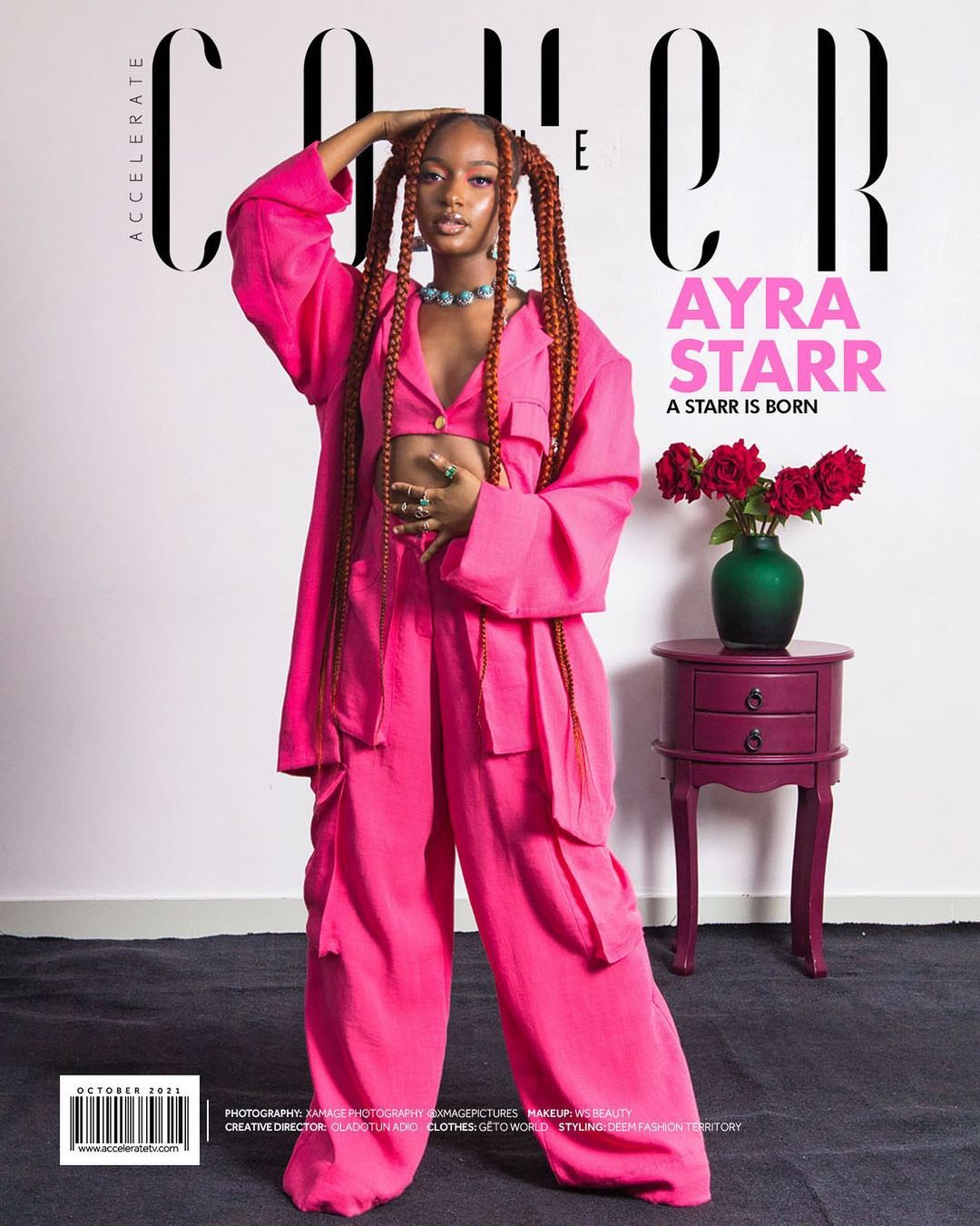
Streaming platforms like YouTube and Spotify became the new gatekeepers. Suddenly, a teenager in Berlin or São Paulo could discover Tems, whose velvety R&B stylings on "Try Me" and her feature on Wizkid’s "Essence" put her on a fast track to global stardom. Rema, Asake, Ayra Starr, and Omah Lay followed, bringing fresh flavors—from amapiano to alté—into the mix.

TikTok and the Soundtrack of a Generation
In today’s digital music landscape, TikTok isn’t just a social media app—it’s a global hit machine, and Afrobeats has been one of its biggest beneficiaries. Thanks to the app’s algorithm, a 15-second clip of a catchy hook can catapult a Nigerian track from Lagos to Los Angeles overnight. Take CKay’s “Love Nwantiti”—a song originally released in 2019, it exploded years later after going viral on TikTok, landing on Billboard charts and earning international remixes from DJ Yo! and ElGrandeToto.
The same happened with Rema’s “Calm Down”, which snowballed into a global anthem and earned a Selena Gomez remix, and Ayra Starr’s “Rush”, which became a cross-border summer staple thanks to its viral dance challenge. TikTok’s remix culture, dance trends, and meme potential turn everyday users into music marketers, while influencer-driven content helps Nigerian songs break into markets they’d never touched before.
The result? A generation discovering Nigerian music not through radio or clubs, but through looping videos and finger-scrolls. In many ways, these short clips have become the unofficial soundtracks of youth culture worldwide, proving once again that Afrobeats—and the wider universe of Nigerian pop—is not just heard, but felt.
Where is the Money?
While early 2000s artists battled piracy and relied on performance fees, the streaming era flipped the script. Between 2014 and 2018, Nigerian music industry revenue jumped from $26 million to $34 million. By 2016, it hit $39 million, and projections soared to $73 million by 2021, driven by international collaborations and digital distribution. The music was no longer just a vibe—it was a business.
The Streaming Boom and the Spotify Era: Numbers Don’t Lie
Then came the real boom. Between 2019 and 2023, with Spotify and Apple Music fully available in Nigeria, everything accelerated. Nigerian music racked up 5.8 million daily streams by 2021. By 2022, artists had earned a combined ₦11 billion in royalties on Spotify alone. One year later, that number more than doubled to ₦25 billion, representing a jaw-dropping 2,500% increase since 2017.
What changed? Global playlists, digital discoverability, and better royalty tracking meant that an independent Nigerian artist could now go viral in Brazil or chart in the UK without ever leaving Lagos. Domestic streaming also grew—206% in a single year—but it was the global audience that brought in the real money. By 2023, exports had grown 49%, and by 2024, Nigerian music had passed 1.1 million global streaming hours, with artists featured in over 250 million playlists.
2025 and Beyond: Taxes and Fines Join the Group chat
By 2025, the Nigerian media and entertainment industry is projected to reach $14.8 billion, with music contributing over $2 billion—a monumental leap from the fragmented, piracy-plagued days of the early 2000s. The bulk of high-value royalties now comes from international listeners, cementing music as one of Nigeria’s most successful exports.
While local streaming remains crucial for visibility and cultural relevance, it is the US, UK, and European markets that power real financial sustainability, thanks to significantly higher streaming payouts. Reflecting just how established and lucrative the industry has become, the Nigerian government continued official taxes on entertainment revenues in 2025, targeting earnings from streaming, performances, and brand partnerships.
In 2025, DJ licensing laws were also enforced for the first time, with fines issued to DJs operating without valid music licenses—a move that underscored the industry's shift from informal hustle to structured, taxable enterprise.