Cape Town-Lagos Becomes Africa’s Biggest Unserved Air Route as Traffic Surges 75%
Cape Town–Lagos passenger traffic surged 75% in a year, making it Africa’s largest unserved air route and highlighting demand for nonstop connectivity.
A significant shift in African air travel is emerging, particularly between Cape Town and Lagos, demonstrating a remarkable 75% increase in passenger traffic within a single year.
This surge, detailed in Airbus's latest Exploring the Horizons report, is particularly astonishing given that it has occurred without any direct, nonstop flights connecting the two major cities.
Between October 2024 and September 2025, approximately 46,400 passengers journeyed between Cape Town and Lagos.
This figure represents a substantial leap from the 26,500 travelers recorded in the preceding twelve-month period, firmly establishing Cape Town–Lagos as the largest unserved route within Sub-Saharan Africa.
The profile of these travelers further underscores the route's potential. Roughly 13% of passengers are flying premium, indicating a demand from corporate executives, high-net-worth leisure travelers, and professionals in the creative industries who frequently travel between these two economic powerhouses.
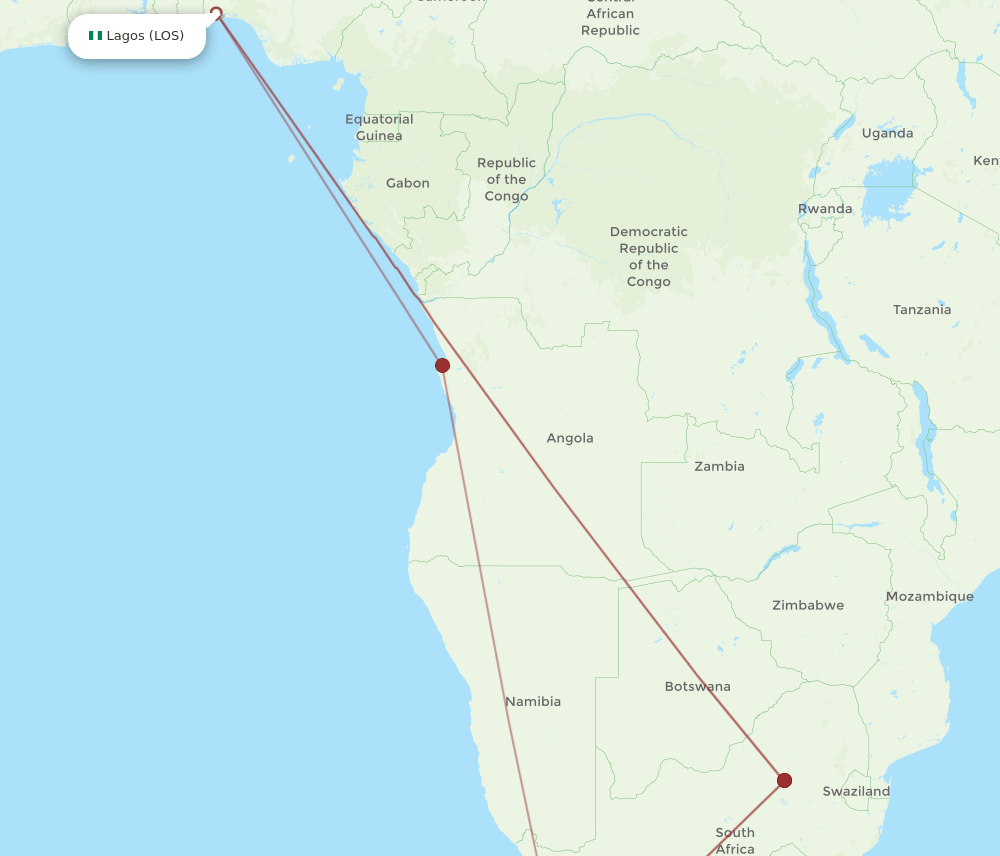
Currently, most of this market is served by TAAG – Linhas Aéreas de Angola, which routes more than half of these passengers through its Luanda hub. Other travelers rely on a complex network of indirect routings, often involving inconveniently long layovers and higher fares, highlighting the clear inefficiency of the current travel options.
For professionals in the African travel industry, the implications of this trend are profound. Cape Town and Lagos are recognized as pivotal centers for commerce, tourism, film, fashion, music, and technology across the continent.
Establishing a nonstop flight service would not only drastically reduce travel times but also unlock new avenues for commercial and cultural exchanges between Southern and West Africa, regions historically separated by challenging routings and limited air capacity.
The industry is now actively speculating on which airline will be the first to capitalize on this significant untapped opportunity. South African Airways, currently in the process of rebuilding its network, could find a natural anchor for its West African expansion in Lagos. Airlink, known for its aggressive continental expansion, also presents a strong contender.
From the Nigerian perspective, Air Peace, which has already ventured into international destinations, might view Cape Town as an attractive addition to its growing network. Other major African carriers such as Kenya Airways, Ethiopian Airlines, and RwandAir could also consider extending their existing footprints, though a dedicated point-to-point service is likely to offer the most value to passengers.
This rapid growth on the Cape Town-Lagos corridor is reflective of a broader trend across Africa. As African economies strengthen their trade ties, particularly under initiatives like the African Continental Free Trade Area (AfCFTA), the demand for more seamless intra-African connectivity is accelerating.
Business travelers, tourists, students, and diaspora communities are all contributing to this increasing demand, and airlines that respond proactively stand to gain a significant first-mover advantage in what promises to be a highly lucrative long-term market.
Cape Town International Airport recently celebrated a record-breaking year in 2025, welcoming 11.1 million travelers, partly boosted by new transoceanic services. Meanwhile, Lagos continues to be the dynamic heart of West Africa's booming creative and business sectors.
A direct link between these two cities would not only represent a major commercial opportunity but also a strategic advancement for African aviation itself.
For travel trade professionals monitoring this space, the message is unequivocally clear: the demand exists, the numbers are rising sharply, and the traveler demographic is highly attractive. The stage is set for a visionary airline to seize this moment and redefine the flow of business, tourism, and creativity between two of Africa's most influential cities, setting a new benchmark for continental connectivity.