Africa's Fuel Crisis Deepens: Nations Grapple with Dry Pumps, Soaring Prices Amid Mideast Tensions!
Geopolitical tensions in the Middle East are causing significant fuel price shocks and supply chain disruptions globally, impacting countries like Zambia and Kenya. Zambia has bolstered its energy security by revamping strategic petroleum depots and maintaining stable fuel reserves, while Kenya faces dry pumps and rationing due to these international events.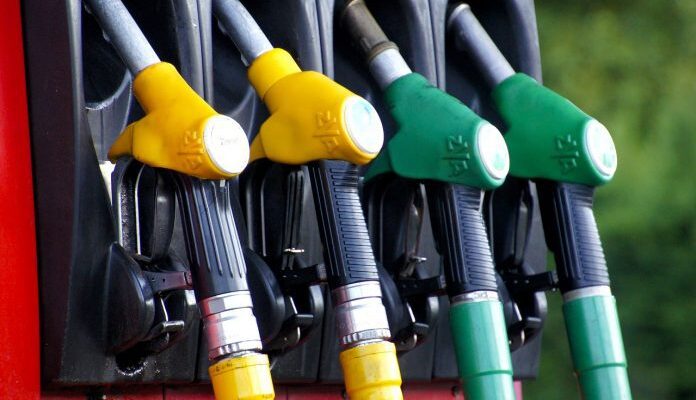
Geopolitical tensions in the Middle East are significantly impacting global energy security and causing fuel price shocks for consumers, with crude oil prices escalating from approximately US$78 to US$94 per barrel. This instability, marked by events such as the United States and Israeli attack on Iran, has led to disruptions in supply chains and heightened uncertainty in the international oil market, affecting nations like Zambia and Kenya.
In response to these challenges, the Zambian government has implemented targeted measures to safeguard its national energy security. A key intervention involved revamping three strategic petroleum storage depots in Mongu, Mansa, and Chipata Districts, which collectively boast a capacity of 20 million litres. These upgraded facilities complement existing national storage in Ndola and Mpika, thereby strengthening the country’s fuel reserve system and ensuring a stable supply across all regions.
As of March 19, 2026, Zambia’s fuel supply remains stable with adequate stocks to meet national demand. Total available diesel stocks, including inland reserves and transit stocks via Kigamboni, Dar es Salaam, stood at 285 million litres, providing approximately 56 days of national cover based on an average daily consumption of 5 million litres. Additionally, petrol stocks were reported at 40 million litres (23 days of cover), kerosene at 65.9 million litres (9.3 days), and Jet A-1 at 1.6 million litres (10 days). The government is also actively working to diversify import channels and secure alternative supply sources should global instability persist.
Amidst these efforts, the Ministry of Energy has urged motorists to avoid panic buying and warned industry players against hoarding, cautioning that such practices could create artificial shortages. The government affirmed that it would act firmly against any entities found engaging in irregular conduct, while continuing to engage Oil Marketing Companies, transporters, and regional partners to ensure coordinated solutions within the petroleum value chain.
Meanwhile, the repercussions of the Middle East conflict are evident elsewhere, with some fuel stations in Kenya reporting dry pumps and implementing rationing measures for petroleum products. This direct impact on consumer access underscores the widespread vulnerability to international geopolitical events affecting oil supplies.
The Ministry of Energy in Zambia, along with other affected nations, remains committed to closely monitoring global developments and implementing further necessary interventions to safeguard energy security and protect consumers from the ongoing volatility in the international oil market.