Africa Lives in Its People, Wherever They Are
You can leave Africa physically, but you can’t leave its imprint. Its values, habits, and care live in Africans wherever they are.

You know that feeling when you meet someone and immediately think, “Ah, this person is African”? It’s not because they speak a particular language or wear traditional clothes. It’s something quieter than that. It’s in the way they greet people. The way they ask about family before themselves. The way they offer help without hesitation. That instinct, that something in behavior and attitude, that’s Africa. Presence doesn’t fade just because someone leaves the continent.
Africans carry their upbringing everywhere. Respect for elders, care for neighbours, generosity with friends — these aren’t just ideas; they are habits. They show up without thought. When someone pauses to check if you ate, or makes sure everyone is comfortable, that’s Africa in action. Even a small act, like giving directions to a stranger or sharing food, carries the imprint of home. Values are not left behind in luggage.
You notice it in gatherings too. Someone laughs loudly, tells a story that everyone joins in, makes everyone feel included. It’s instinctive, not taught. Even in a foreign city, Africans know how to make a place feel like home. They bring warmth into spaces that would otherwise be cold or lonely. Warmth travels with people, even when borders and oceans separate them from their roots.
Then there’s responsibility. You don’t need a lecture to know that many Africans think about family and friends constantly. If someone’s child is studying, or a parent needs help, they are thinking about it. They adjust budgets, make sacrifices, send remittances home. According to the World Bank, these remittances are lifelines for millions of households, yet behind every transfer is someone quietly thinking, “I have to do this, it’s my duty.” Commitment like this doesn’t need applause.

It’s also adaptable. Africans are quick to read a room, understand unspoken rules, and adjust without losing themselves. New city, new culture, new challenge, they bend, but they don’t break. This isn’t about survival alone; it’s about carrying who they are with them. Adaptation is instinctive.
And humor, you can’t forget that. Even when life is hard, Africans find ways to laugh, to joke, to ease tension. It’s not performative. It’s part of being human, part of being connected. This laughter, this energy, draws people in. It signals belonging and familiarity. Joy travels with Africans, quietly declaring, “We are here, and we care.”
Even in work, this is visible. Effort isn’t just personal. It’s shared. They work hard knowing it affects others — family, friends, communities. Someone’s success is rarely just theirs; it’s collective. That’s why African work ethic often surprises outsiders. Responsibility runs deeper than tasks; it’s about care, pride, and continuity.
Relationships are another marker. An African will remember names, check in, send advice or a little help without being asked. These small actions accumulate. They form networks, a quiet safety net that often goes unnoticed. Africa lives in these connections. Relationships are the living veins of culture.
You see it in everyday spaces too. On a bus or in a market, Africans often instinctively notice others’ needs, helping someone carry groceries, giving directions, or making room for another person. Even small gestures like this carry Africa with them. They reflect empathy, thoughtfulness, and shared humanity. Empathy is a habit that doesn’t fade.
Africa is also visible in problem-solving and creativity. When resources are scarce, people find new ways to meet needs, building small businesses, collaborating on projects, sharing skills. Africans often turn constraints into solutions, reflecting resilience and ingenuity that comes from experience, culture, and shared responsibility. Innovation is part of daily life.
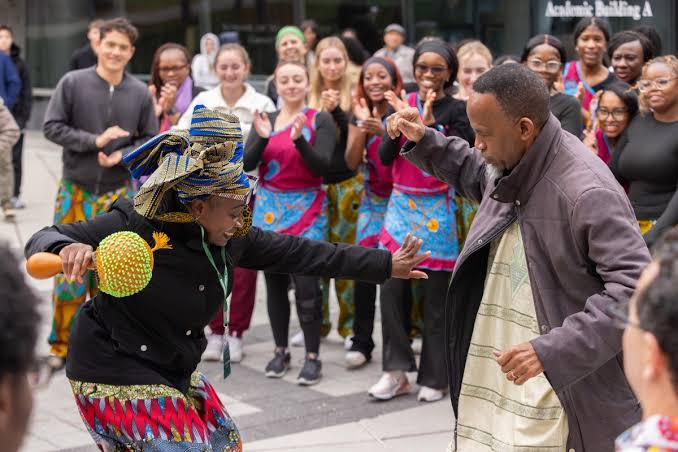
Culture is present even in small gestures, the way someone greets an elder, the jokes they tell, the way they cook familiar meals. These acts aren’t just nostalgic; they maintain identity and connection, regardless of location. Music, food, and language travel easily, but the deeper imprint is in habits small repeated actions that show who you are.
Even under pressure, Africans carry these habits, values, and instincts. Long-term stress and responsibility can be heavy, but they don’t erase care. According to the World Health Organization, prolonged financial and social stress affects mental health, yet many Africans quietly continue to uphold the social and emotional responsibilities shaped by their upbringing. Strength persists even under pressure.
In the end, Africa is not simply a physical place. It is something carried, reflected, and enacted by its people. It shows up in the values that stay with Africans long after they leave home: respect for elders, care for neighbours, and responsibility for family. It lives in the choices people make daily sending money home, offering support, mentoring younger people. Africa is in the habits that persist across borders cooking familiar meals, celebrating traditions, gathering friends, and laughing in ways that feel like home. And it is in the relationships that connect people across distance, building networks of care and belonging.
Diaspora Connect
Stay Connected to Home
From Lagos to London, Accra to Atlanta - We Cover It All.
These patterns are not static. They evolve with new circumstances, technologies, and ideas, but they remain rooted in African ways of being. Mobile money and online communication have allowed people to support family and community more efficiently, yet the intention behind the action- care, connection, responsibility remains unchanged. Africa is alive in problem-solving, in creativity, and in the quiet ways people persist despite challenges. Continuity is not a slogan, it is lived.
Africa is not only geography; it is human. Wherever Africans are, Africa is present. It is in the small, ordinary, consistent ways people live, care, and influence others. It is in how they embody home, even when far away. It is in the choices they make, the habits they keep, the relationships they nurture. Identity travels with them, quietly shaping the world around them.
That is why, wherever Africans are, Africa is there too. Not as a burden, not as a myth, not as a stereotype. Africa is alive in its people. It is quiet, enduring, and powerful and it continues to shape the lives, actions, and hearts of those who carry it. Truth lives in these people, and through them, Africa lives everywhere.