Accra's Bold Vision: Pioneering Africa's AI Future with Local Data & Ethical Governance
Ghana is set to host the Pan African AI and Innovation Summit (PAAIS) 2026, focusing on scaling Africa’s ethical AI ecosystem, youth empowerment, and leveraging local data. The summit aims to transition Africa into a creator of context-aware solutions, building on the strong foundational work of NITA and the Data Protection Commission. Discussions will focus on enabling advanced infrastructure and ethical guidelines to foster innovation and societal good.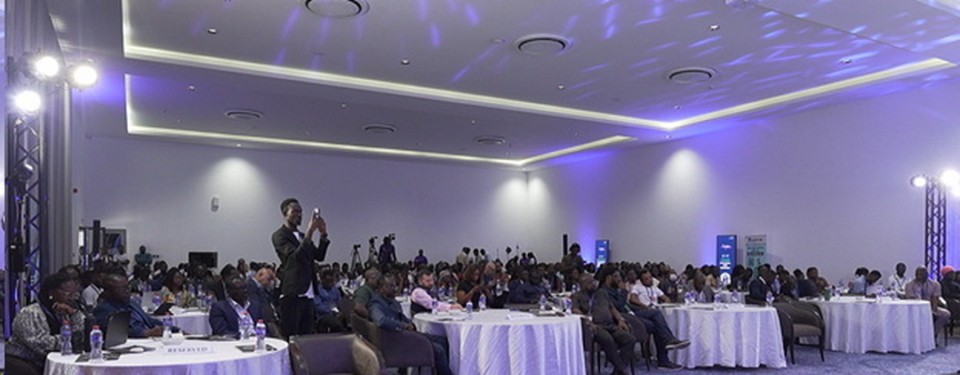
Ghana is set to host the second Pan African AI and Innovation Summit (PAAIS) 2026 from September 22–23 at the Kempinski Hotel, marking a significant moment for the continent’s digital future. Building on the previous year's strategic discussions, PAAIS 2026 aims to advance Artificial Intelligence in Africa responsibly. Under the compelling theme, “Scaling Africa’s Ethical AI & Innovation Ecosystem: Youth Empowerment, Policy, Partnerships & Skills,” the summit provides a crucial platform for global thought leaders to deliberate on Africa's transition from merely consuming global technology to actively creating context-aware solutions designed to address the continent's unique challenges.
A central pillar of this advancement is the strategic value of local data. For AI to achieve true effectiveness and relevance, it must be deeply rooted in local realities. The prevalent reliance on global models, often trained on non-African datasets, frequently overlooks the specific nuances required for effective application within the African context, from intricate agricultural patterns in the Northern Region to the diverse linguistic landscapes of subsistence trade markets. PAAIS 2026 is poised to champion the development of AI systems that are firmly grounded in indigenous datasets. By prioritizing local data, the summit ensures that the algorithms powering critical sectors such as financial services, healthcare, and education systems are not only accurate but also culturally aligned. The ethical development and utilization of AI, therefore, become a matter of both sovereignty and efficacy, as solutions built on local data demonstrably perform better for African communities and businesses.
Ghana’s strong institutional bedrocks, particularly the National Information Technology Agency (NITA) and the Data Protection Commission (DPC), underpin its readiness to lead this continental conversation. These agencies have laid robust groundwork that is commendable. NITA has played an instrumental role in digitizing government services and establishing essential standards that guarantee a secure and interoperable digital infrastructure. This foundational work has fostered a stable environment conducive to a thriving digital economy. Concurrently, the Data Protection Commission has made significant strides in operationalizing the Data Protection Act, 2012 (Act 843). Through its efforts in cultivating a culture of accountability and privacy, the DPC has established a vital layer of trust between citizens and digital platforms, which is indispensable for any advanced digital society.
Looking ahead to the 2026 summit, the discourse must evolve from foundational regulation to proactive enablement, securing Ghana’s position as a beacon for African AI. The next phase for these agencies involves reinforcing NITA's role by supporting the development of advanced infrastructure, including local cloud capabilities and high-performance computing resources. By facilitating access to such infrastructure, NITA will empower local developers to train complex AI models within Ghana, thereby reducing dependence on external resources and enhancing the resilience of the national digital economy. Simultaneously, the DPC’s framework must evolve to address new complexities introduced by AI, especially concerning automated decision-making and data usage. The DPC has a crucial opportunity to establish specific ethical guidelines for AI that foster innovation while rigorously safeguarding the public. Clear frameworks on transparency and fairness will instill confidence in startups, assuring them that their innovations operate within ethical boundaries designed to protect the Ghanaian people.
Ultimately, the harmonious alignment of policy, infrastructure, and innovation serves the overarching purpose of societal good. A well-regulated, data-rich AI ecosystem is pivotal for creating high-value jobs for Africa's youth, thereby elevating their skills from basic digital literacy to advanced specialization. Such an ecosystem enables the deployment of AI solutions capable of predicting crop yields, optimizing traffic flow in cities like Accra, and enhancing purposeful education for students across the continent. The active involvement of Ghana's institutional leaders at PAAIS 2026 will send a powerful signal, demonstrating that Ghana is not only open for business but also committed to innovating responsibly.
The Pan African AI and Innovation Summit represents a profound invitation to collaboration—a call for policymakers, private sector leaders, and technologists to convene at the Kempinski Hotel. Together, they are tasked with drafting a sustainable blueprint for Africa's digital future. By strategically leveraging local data and strengthening the collaborative capacities of its institutions, Ghana and the continent can ensure that AI becomes a powerful tool for inclusive growth and sustainable development. Join the dialogue shaping Africa’s digital future; learn more at panafricanaisummit.com.