Accra Drowning: Tragic Floods Spark State of Emergency Calls and Relief Efforts
Ghana is grappling with a severe and persistent flooding crisis, causing widespread devastation and prompting calls for a National Flood Emergency Preparedness Exercise. Government has initiated relief efforts, but systemic failures in planning, infrastructure, and enforcement are highlighted as root causes. The crisis underscores an urgent need for comprehensive reforms and accountability across all sectors, including real estate and urban development.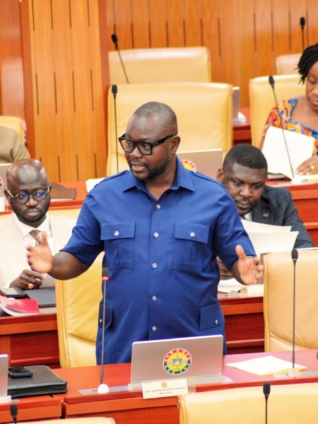
Ghana is grappling with a severe and persistent flooding crisis, recently exacerbated by torrential rains that have devastated various parts of the country, particularly Accra. These incidents have been widely described as a national emergency, leading to tragic loss of lives, widespread destruction of homes, businesses, and livelihoods, and the displacement of thousands of citizens. From Accra's prestigious neighborhoods like East Legon and Airport Residential Area to vulnerable low-lying areas and critical infrastructure such as roads, the impact has been profound and indiscriminate. At least 12 deaths have been confirmed, with an additional body retrieved in Alogboshie, and 7,000 residents displaced, highlighting the urgent need for comprehensive and sustained interventions.
In response to the escalating crisis, Francis Asenso-Boakye, the Ranking Member on Parliament’s Select Committee on Local Government and Decentralisation, has urgently called upon the government to declare a National Flood Emergency Preparedness Exercise. This proposed one-week exercise would involve key state institutions including Metropolitan, Municipal and District Assemblies (MMDAs), the National Disaster Management Organisation (NADMO), the Hydrological Services Authority, and security agencies. The focus would be on critical activities such as desilting drains, clearing blocked waterways, removing obstructions from water channels, pre-positioning emergency response teams, and intensifying public education on flood preparedness and safety measures. Mr. Asenso-Boakye underscored that flooding can no longer be seen as a seasonal inconvenience but requires proactive, coordinated action to prevent further catastrophe.
Echoing these sentiments, National Democratic Congress (NDC) stalwart Novihoho Afaglo expressed profound sympathy to the affected communities, emphasizing the heartbreaking situation faced by residents in Accra and the Ketu South Constituency, which is particularly vulnerable due to its coastal and low-lying geography. He urged government agencies and humanitarian organizations to expedite relief efforts and called upon the private sector, civil society, and well-meaning Ghanaians to support these initiatives in a spirit of national unity and compassion.
The government has initiated immediate relief efforts and long-term support for affected households. Greater Accra Regional Minister, Linda Obenewaa Akweley Ocloo, announced that these interventions are part of a broader government response directed by Vice-President Professor Jane Naana Opoku-Agyemang, in collaboration with NADMO and the Carter Charity Foundation. During a visit to Alajo, where hundreds of households were displaced and traders suffered heavy losses, essential relief items such as rice, cooking oil, milk, canned fish, mattresses, and plastic buckets were distributed. Similar joint humanitarian interventions by NADMO and Qatar Charity have benefited over 3,000 flood victims in the Ayawaso Central Constituency, with efforts ongoing to reach all affected communities. Official assessments indicate that 606 households, comprising approximately 3,680 persons, have been impacted in some areas, necessitating careful beneficiary verification by local authorities.
The perennial nature of Ghana's flooding crisis is attributed to a confluence of systemic failures and longstanding challenges. These include inadequate drainage infrastructure, weak enforcement of planning regulations, poor sanitation practices, rapid and often unregulated urbanization, and the exacerbating effects of climate change. Concerns have been raised by the NUGS President about the significant public investment—including an estimated GH¢88 million between 2011 and 2016, GH¢450 million from 2017 to 2021 under the National Flood Control and Priority Drainage Programme, and over GH¢5.8 billion committed towards sanitation interventions across several years—that has yielded limited visible outcomes. This raises critical questions about implementation, accountability, value for money, and the overall effectiveness of past interventions. The NUGS President further highlighted the devastating impact on children and young people, who are among the most vulnerable, losing access to education, facing displacement, health risks, and, in tragic cases, their lives.
The recent floods have also brought to the forefront the critical issue of real estate development and urban planning. Curtis Tetteh Djaba, CEO of Dromi Homes Co. Ltd, emphasized that flooding has become one of the greatest risks to Ghana's property market. The inundation of prime areas like East Legon and Airport Residential Area has shattered the assumption that expensive locations guarantee safe investments. He argued that weak enforcement of planning laws, unregulated development, and the historical practice of traditional authorities allocating land without necessary technical expertise (hydrology, drainage design) have resulted in communities built on flood plains, over natural waterways, and with inadequate infrastructure. He called for fundamental reforms, including comprehensive planning before land sales, stronger enforcement, independent flood-risk assessments, public flood-risk mapping, and consistent action against illegal developments. Property buyers are now advised to prioritize flood risk assessment alongside traditional factors like location and price.
The impact extends to daily life and critical infrastructure, as seen in the deteriorating state of the Avenor stretch in North Kaneshie, where heavy rains have left roads riddled with potholes and stagnant water, making travel increasingly difficult for motorists and commuters. Residents and commercial drivers alike lament the lack of alternatives and the increased risks and vehicle maintenance costs. Meanwhile, concerns have been raised by Francis Asenso-Boakye over the status of major flood control projects initiated under previous administrations, including the GH¢540 million National Flood Control Programme and the US$350 million Greater Accra Resilient and Integrated Development (GARID) Project. He warned that delays in completing interventions like the Odaw dredging, Achimota-Abofu Drain, and the operationalization of the Accra Flood Early Warning System could leave thousands vulnerable.
Political figures have engaged in discourse regarding extraordinary measures. Nana Agyei Baffour Awuah, the Member of Parliament for Manhyia South, defended former Vice President Dr. Mahamudu Bawumia's call for the government to consider declaring a state of emergency. This, he argued, is justified by the unprecedented magnitude of the recent disaster, the need to effectively assess devastation, mobilize resources, and prepare for potential further rainfall. The Black Stars head coach, Carlos Queiroz, also extended condolences and solidarity to the victims from the team's training camp, while the government has released GH¢35 million to support those affected.
As Ghana faces the possibility of further heavy rainfall, the Greater Accra Regional Minister has urged residents to remain vigilant and heed official weather advisories, with district NADMO directors tasked to intensify public education on preparedness. Ultimately, stakeholders agree that the crisis demands not just temporary responses, but sustained investment, rigorous enforcement of planning laws, strengthened sanitation management, and responsible citizenship. It calls for collective action from government, local authorities, communities, and citizens to build safer, more resilient communities and permanently address this persistent national challenge, ensuring accountability for all past and future interventions.