Abuja’s ₦11,000-Home River Park Estate Dispute Moves to Paris Arbitration
A ₦11,000-home Abuja estate is at the centre of a bitter ownership battle now playing out in Paris. JonahCapital and the FCDA disagree over the project's lease, infrastructure and development rights. Now, international arbitration could decide the future of River Park Estate.
A long-running dispute over River Park Estate, one of Abuja's largest planned residential developments, has escalated into an international legal battle in Paris.
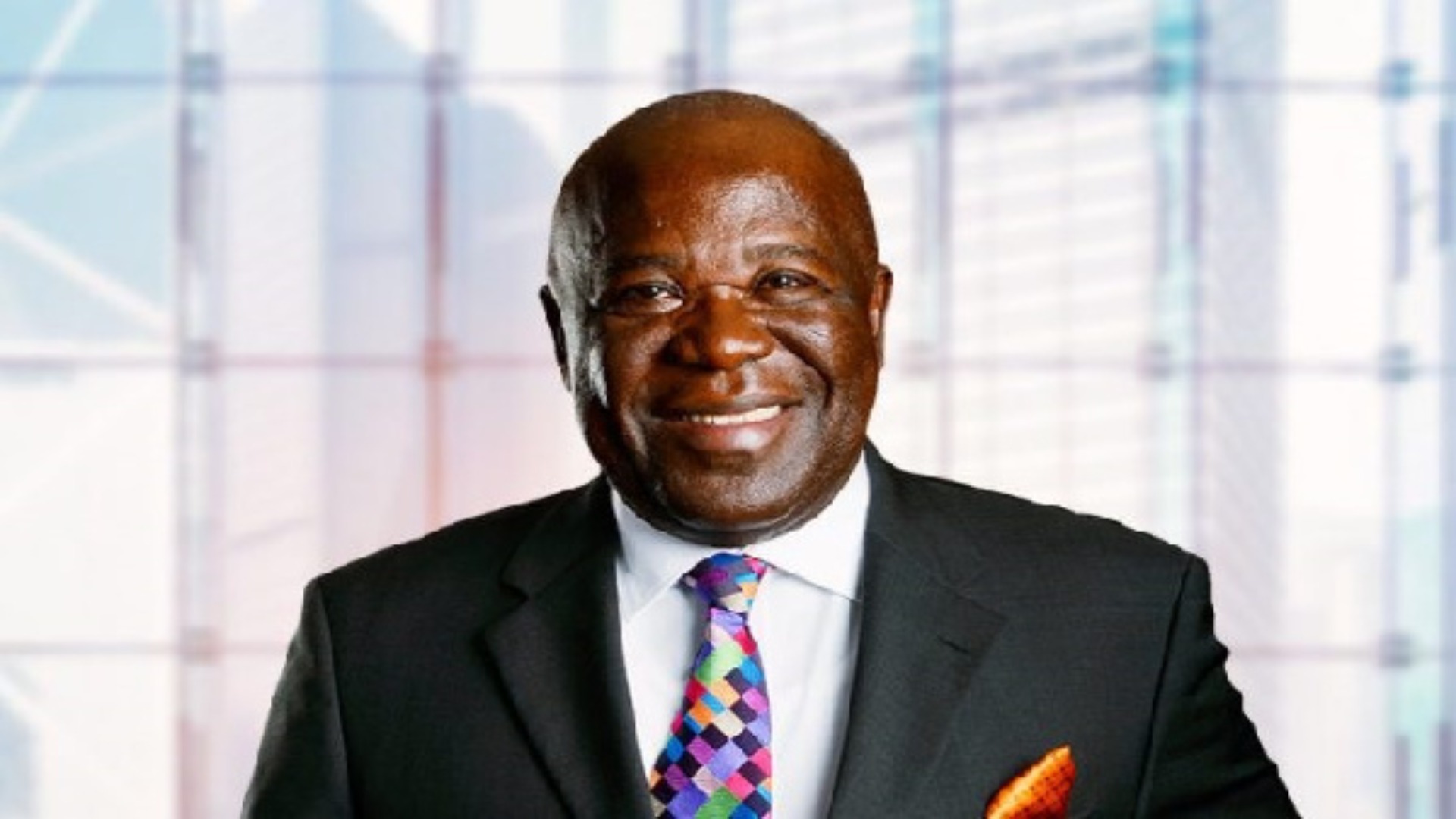
JonahCapital Nigeria Limited, backed by Ghanaian businessman Sir Sam Jonah, has commenced arbitration proceedings against the Federal Capital Development Authority (FCDA) over the future of the 501-hectare project in Lugbe.
This plan was to provide more than 11,000 homes for about 42,000 residents, the development has been delayed by disagreements over the validity of its lease, infrastructure obligations and competing ownership claims.
The dispute has now placed the future of one of Abuja's most ambitious private housing projects in the hands of an international arbitration process.
Its outcome could determine who retains development rights over the site and whether the long-delayed project can finally move forward.
Why the River Park Estate Project Is at the Centre of the Dispute
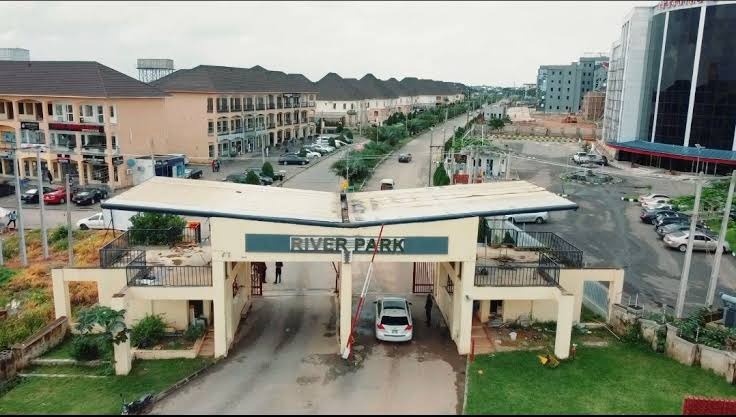
River Park Estate was conceived as a major mixed-use development that would combine thousands of residential units with shopping centres, offices, healthcare facilities, places of worship and other supporting infrastructure.
The 501-hectare project was expected to become one of Abuja's significant private housing developments and provide accommodation for tens of thousands of residents, while also creating commercial and economic opportunities around the Lugbe axis.
However, disagreements between JonahCapital and the FCDA have disrupted the project's progress and raised questions about its future.
The FCDA maintains that the Development Lease Agreement (DLA) granted to JonahCapital had expired and that the authority was therefore entitled to repossess the land.
So the JonahCapital has strongly rejected that position, arguing that the agreement remains valid until June 2030.
The conflicting positions have turned the project's lease agreement into the central issue of a dispute that has now moved beyond Nigeria's courts and into international arbitration.

JonahCapital Takes the Dispute to International Arbitration
After the disagreement intensified, JonahCapital invoked the arbitration clause in its lease agreement and commenced proceedings before the International Chamber of Commerce (ICC) in Paris.
The company is challenging the FCDA's decision to terminate the lease on November 5, 2025, asking the tribunal to declare the termination unlawful.
The JonahCapital says that it resorted to international arbitration after previous efforts to resolve the dispute through government channels and Nigerian courts failed.
The company has also alleged that the FCDA failed to provide infrastructure it was required to deliver under the agreement, including roads, electricity and water, leaving the developer to finance and construct some of the facilities itself.
The developer further claims that the unresolved infrastructure issues contributed to delays in the project's development and increased the financial burden on the company.
The move to arbitration marks a significant escalation of the dispute, as the tribunal's eventual decision could determine whether JonahCapital retains its development rights over the vast estate or whether the FCDA's termination of the agreement stands.

Competing Claims Could Determine the Estate's Future
The dispute goes beyond the lease disagreement, because the JonahCapital who alleges that individuals and organisations that were not part of the original agreement began making ownership claims over portions of the estate, resulting in prolonged litigation and competing interests in the property.
The company argues that these competing claims have further complicated efforts to complete the development and created uncertainty around the project's ownership structure.
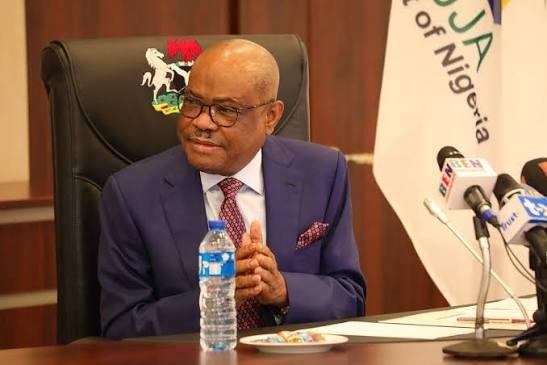
The FCT Minister, Nyesom Wike, has confirmed that arbitration proceedings have commenced, saying the government will allow the process to run its course.
The FCDA also maintains that it has no contractual relationship with Paulo Homes Limited, which was later introduced into the project.
The conflicting positions have added another layer to a dispute that has already delayed one of Abuja's major housing developments.
The arbitration could therefore have major consequences for the future of River Park Estate, particularly its ownership, development rights and thousands of homes planned for the site.
Beyond the parties involved, the outcome could also have implications for prospective homeowners, investors and confidence in large-scale property development agreements in the Federal Capital Territory.
Conclusion
The River Park dispute has evolved from a disagreement over a development agreement into a major test of contractual rights, land ownership and investor confidence in Abuja's property sector.
With the matter now before an international arbitration tribunal in Paris, the outcome could determine whether the massive housing project proceeds under JonahCapital or takes a different direction.
For prospective homeowners and investors, the central question is no longer simply when River Park will be completed, but who ultimately has the legal right to develop the land.