9 to 5, Remote or Business, Which Is Better?
9–5 jobs, remote work, or entrepreneurship, which career path is truly better? A grounded social commentary on stability, income, status, and what really sustains an economy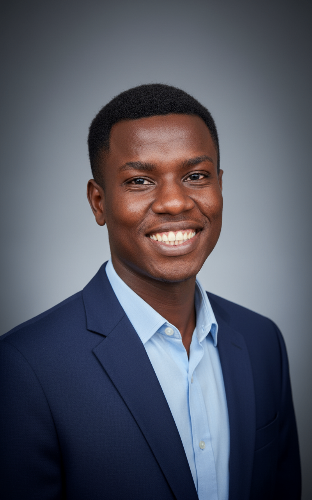

If there’s one thing we all in this generation agrees on, it’s this: nobody wants to get their career wrong.
Some are chasing a stable 9–5 with structure and security, others are hunting remote roles that promise dollar salaries, location freedom, and the soft life Instagram keeps advertising.
Then there are those building businesses from scratch, determined to “own something” rather than work for someone.
But beneath the ambition lies something else, pressure—social pressure.
There’s a subtle hierarchy that has formed in career conversations, remote workers are praised for their flexibility and global earnings.
Entrepreneurs are celebrated as bold risk-takers and “CEOs.” Meanwhile, the traditional 9–5 worker is sometimes quietly dismissed, as if stability equals lack of ambition.
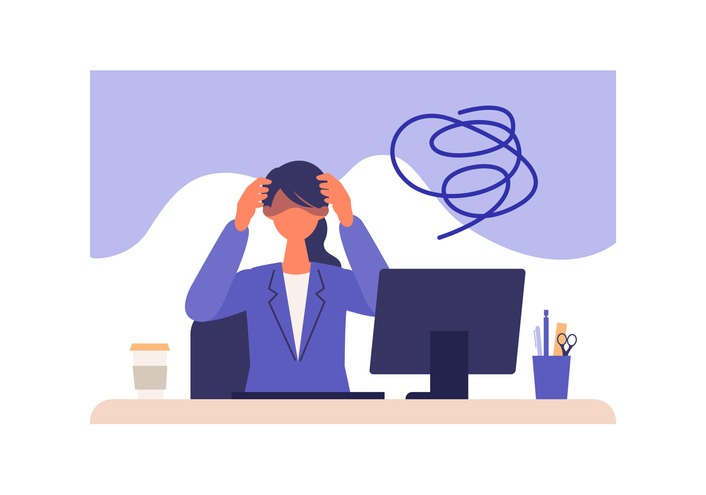
From a logical standpoint this bias is unfair and not so accurate.
Because the truth is, everyone is simply trying to build something stable in an unpredictable economy.
In Nigeria especially, building a profitable business is not romantic as it seems on the outside, it is difficult.
Finding a well-paying job without a toxic environment is equally difficult. Landing a remote role that pays in foreign currency? That is competitive and quite rare.
The grass always looks greener from the other side of LinkedIn and well curated portfolio and testimonies.
What we rarely admit is that each path carries its own hurdles, financial risk, burnout, instability, office politics, inconsistent cash flow, or isolation. There is no perfect route, only trade-offs.
So instead of asking which is more aesthetic or better to do, perhaps the better question is, which works best for you?
The Reality Behind This Labels

Let’s address the tension directly, without mincing words.
Most remote workers often argue that flexibility and foreign income beat commuting in Lagos traffic or jumping buses at dawn.
Entrepreneurs insist that ownership equals freedom, that building your own thing is superior to building someone else’s dream.

But why is this shade always toward the 9–5?
We tend to forget that some of the highest income earners in Nigeria are structured professionals within corporate systems.
Senior executives in banking, oil and gas, and telecommunications can earn hundreds of millions of naira annually in salary and bonuses.
Top executives in Nigeria’s energy and financial sectors reportedly earn compensation packages exceeding ₦500 million per year.
That figure remains a fairytale to many small-scale business owners selling fashion items or perfumes online, no insult intended.
Meanwhile, Nigeria’s healthcare sector illustrates why 9–5 professionals remain indispensable.
The doctor-to-patient ratio in Nigeria is estimated to be about 1 doctor to over 4,000 patients, far below the World Health Organization’s recommended ratio of 1:600-1000.
Imagine dismissing doctors as “just salary earners.”
The economy and human survival literally depend on structured employment.
The same applies to teachers, Nigeria already faces a shortage of qualified educators.
Now imagine enrolling your child in school and finding no teachers because everyone decided traditional employment was beneath them.
Yes, online education exists, but can it fully replace 15 years of classroom structure, peer interaction, mentorship, and social development? Realistically, no.
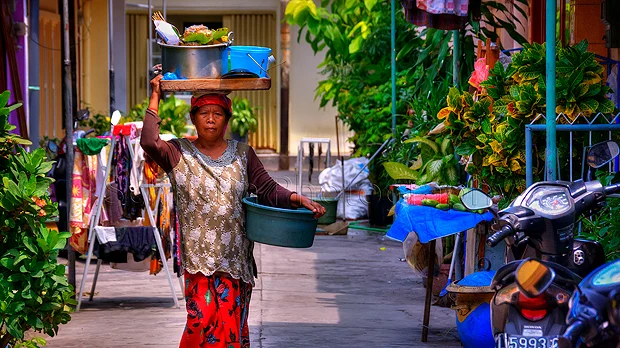
Even the informal sector operates in a 9–5 rhythm. Market traders, civil servants, hospital staff, bank tellers, they are all part of the machinery that keeps a nation functioning.
Now, what about business owners?
Entrepreneurship is powerful, but it is not automatically superior.
Owning a small business without scalability, structure, reinvestment strategy, or systems does not magically translate to success.
Calling yourself CEO while being the only employee is not the same as building a sustainable enterprise.
Growth requires planning, upskilling, delegation, and long-term vision.
Remote work also has its myths, while some Nigerians earn impressive dollar salaries in tech and consulting roles, competition is global.
These roles demand specialized skills, constant upskilling, and performance accountability.
It is not simply working in pajamas and posting soft-life aesthetics.
There is also the human element that automation and AI cannot replace. A hospital emergency, a financial transaction error, or a complex legal issue requires more than algorithmic response. Human judgment, empathy, and contextual reasoning still matter.
Every path has value and every path has its own pressure and peculiarities.
So, Which Is Better?

The honest answer? None is universally better.
A 9–5 offers structure, predictable income, career progression, pension systems, and corporate exposure.
It can provide stability in an economy that often lacks it.
Remote work offers flexibility, global exposure, and sometimes stronger currency advantages.
But it requires discipline, skill relevance, and resilience in a highly competitive market.
Entrepreneurship offers ownership, creative freedom, and potentially unlimited upside, but also financial volatility, operational stress, and risk.
The mistake is turning career choices into status symbols.
Society needs doctors, teachers, engineers, civil servants, entrepreneurs, freelancers, and remote consultants.
The economy functions because of interdependence. One path does not invalidate the other.
If you want remote work, pursue it seriously.
If you want to start a business, build it with structure.
If you prefer a 9–5, maximize it, climb, specialize, negotiate, grow.

But avoid chasing cheap dopamine from online comparisons, career decisions are not social media competitions, they are long-term life strategies.
At the end of the day, everything works together for the greater good.
The hospital needs doctors, the startups you hear about need employees.
The entrepreneur needs customers with salaries and stable jobs.
The remote worker needs infrastructure maintained by public servants.
So, 9 to 5, remote, or business, which is better?
That depends on your goals, risk tolerance, and definition of success.
And perhaps that’s the real freedom, choosing without shame.