9/11 Echoes: Unanswered Questions & Research Funding at Risk 25 Years On
The 9/11 community faces a critical challenge as CDC downsizing jeopardizes $13 million in federal funding for health research, impacting vital care for first responders and survivors. As the 25th anniversary approaches, calls for re-evaluating disaster preparedness and integrating 9/11 lessons into school curriculums highlight ongoing efforts to learn from the past and protect the future.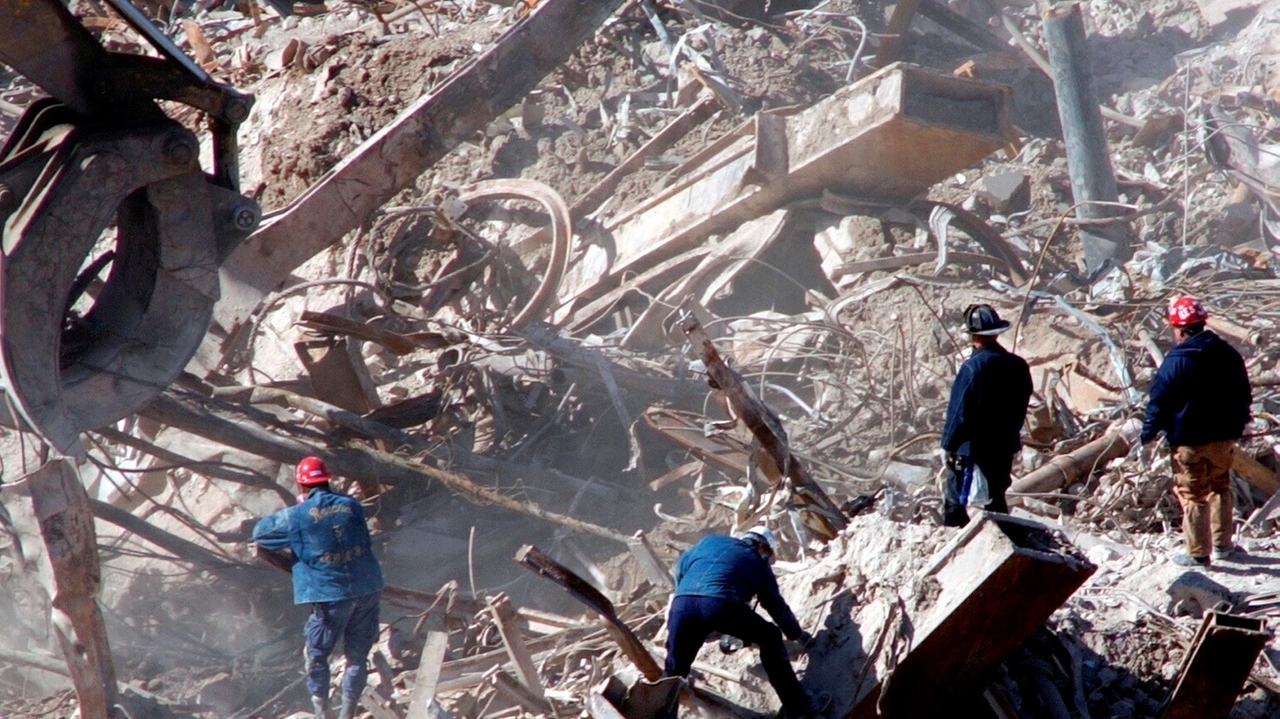
Two and a half decades after the tragic events of September 11, 2001, the community of 9/11 first responders and survivors continues to grapple with ongoing challenges, ranging from critical health issues to ensuring future disaster preparedness. A significant immediate concern has emerged from Washington, where the Trump Administration's downsizing of the Centers for Disease Control and Prevention (CDC) has led to a potential loss of nearly $13 million in federal funding for 9/11 health researchers this year. This funding gap, stemming from staffing shortages and delayed grant approvals, directly impacts the vital work of the World Trade Center Health Program.
According to Dr. David Prezant, chief medical officer of the FDNY and a member of the World Trade Center Health Program’s responder steering committee, federal officials notified the committee that only $7 million of the $20 million annually authorized for research had been approved. This shortfall is largely attributed to the CDC's inability to review all grant applications by the crucial September 30 deadline, particularly those for three-year studies. Prezant warned that almost all seven clinical centers operating under the World Trade Center Health Program in the metropolitan region, including facilities at Stony Brook University Hospital and Northwell Health, would be impacted. These centers rely on annual grant requests to conduct studies.
"The research funding is critical because it helps us identify problems that our patients are having, new emerging diseases, and whether any of the things that we are doing is effective," Prezant stated. The James Zadroga 9/11 Health and Compensation Act of 2010 established the federal World Trade Center Health Program to provide healthcare and ongoing research funding for those suffering from illnesses tied to 9/11 exposure. However, the funding, capped annually, must be distributed by the end of the federal fiscal year. Ben Chevat, executive director of 9/11 Health Watch, criticized the delays, attributing them to "chaos" caused by the HHS secretary and warning of potential job losses for researchers and a slowdown in critical studies.
Beyond the immediate financial crisis, the 25th anniversary of 9/11 prompts deeper reflection on national readiness for similar disasters. Long Islander Tom Von Essen, former FDNY commissioner on 9/11 and a regional administrator for FEMA during early COVID-19 response, is advocating for an impartial panel to review current preparedness, especially at the local level. He stresses the need to publicly examine whether existing protocols, equipment, and training meet contemporary needs and threats, emphasizing, "You can’t fix what you don’t admit to."
The nature of threats has evolved significantly since 2001. Experts highlight the increased likelihood of coordinated drone or cyber attacks, influenced by modern warfare, and a heightened risk from biological weapons. New York City, given its global and national economic importance, and its role as a hub for media, finance, culture, and technology, remains a prime target. While the NYPD and FDNY continuously train and assess threats, a comprehensive pause to gather insights from law enforcement, first responders, and the private sector is deemed essential to identify further necessary actions.
Another crucial lesson from 9/11 is the importance of education for future generations. With many students today having no firsthand recollection of the attacks, there's a pressing need to incorporate formal lessons about 9/11, including its international political context and the countless stories of bravery and heroism, into elementary and secondary school curriculums. Rep. Andrew Garbarino (R-Bayport) has repeatedly introduced legislation to encourage states to mandate such lessons, yet only 14 states currently require any 9/11 education, with New York notably absent. This educational gap risks allowing vital historical lessons to be lost or, worse, enabling denial, similar to the proliferation of Holocaust deniers.
Amidst the challenges and calls for vigilance, the story of 9/11 is also one of profound heroism, community solidarity, and inspiring resilience. The sacrifice of 343 FDNY members who perished trying to save others, and the spontaneous outpouring of thousands of civilian laborers and volunteers who arrived at Ground Zero on September 12th with tools and aid, exemplify the spirit of unity. The subsequent admirable efforts by city leaders, in coordination with the real estate community and the Metropolitan Transportation Authority, successfully rebuilt and revitalized downtown Manhattan, defying initial fears that the area would never recover. Today, downtown is more vibrant than ever, a testament to the city's refusal to let terrorism extinguish its spirit of freedom and liberty.
As the nation commemorates 9/11, the combined messages from these ongoing struggles and historical reflections underscore a critical truth: remembering 9/11 is not just about recalling a tragic past, but actively applying its lessons to protect the health of survivors, enhance national preparedness against evolving threats, educate future generations, and continually foster the resilience and unity that emerged from one of America's darkest days. Dr. Prezant, despite the current funding challenges, remains optimistic, urging the CDC to re-review grant applications, stating, "I’m hoping that by highlighting the problem, and providing a solution, we can get this done because it’s time sensitive. After Sept. 30, we’re stuck."