8 Nigerian Events That Deserve Movie Adaptations
Nigeria’s history is full of shocking, thrilling, and dramatic events. Here are 8 real stories that could become blockbuster movies

History is never boring; not in Nigeria, anyway. Here, every decade, every political shuffle, every scandal feels like a movie already. Sometimes it’s a thriller, sometimes a drama, sometimes absurd enough that you’d think Hollywood would reject it as too far-fetched.
Yet we live it. And these are the moments that deserve to be larger than life, not just recounted in dusty history books, but brought to screens where the stories can hit the heart, the gut, and the mind.
Nigeria has had moments of triumph, heartbreak, crime, and absurdity that could each fill a season on Netflix or a blockbuster on the big screen. From cybercrime magnates flaunting private jets to music legends taking punches from the state, the stories are there, screaming to be told. Some have already made waves in documentaries or plays, but they deserve more: the cinematic treatment, the lighting, the sound design, the slow-motion shots of history bending.
Let’s dive in.
1. MKO Abiola’s June 12 Election (1993) – Democracy Betrayed
On the 12th of June, 1993, the people voted and MKO Abiola won. The military annulled the election. Years of struggle for democracy condensed into a single, explosive narrative.
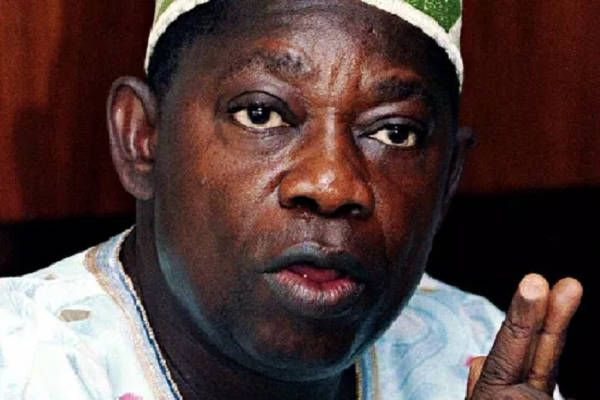
This wasn’t just politics; it’s a national heartbreak on film. The human stories; the voters who stood for hours, the activists who risked everything, the families who lived through the aftermath, create a political drama that doesn’t need exaggeration. The tension is already wired into the history: triumph turning into tragedy overnight, freedom slipping through the country’s fingers.
2. The Arrest of Hushpuppi (2020) – Social Media’s Real-Life Thriller
Ramon Abbas, better known as Hushpuppi, lived the life most young Nigerians scroll past and fantasize about: private jets, luxury cars, designer suits, all flaunted with impeccable Instagram timing. It was like watching a rich soap opera unfold in real time—until the plot twist came.
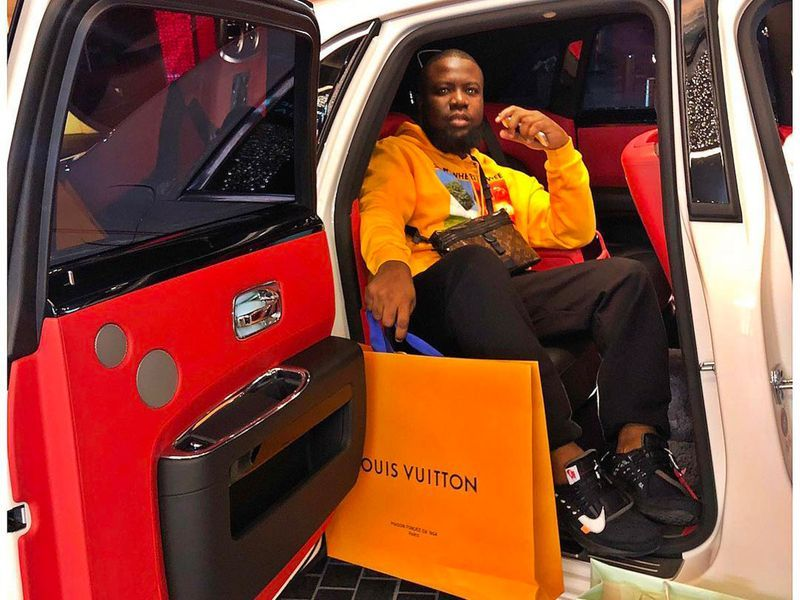
Then on the 10th of June, in Dibai, international authorities swoop in. The man who seemed untouchable becomes painfully human. By November 2022, he’s sentenced to over 11 years in a U.S. federal prison.
A cinematic adaptation would balance glamour and grit: the seduction of wealth, the loneliness behind the scenes, the relentless chase by global agencies. Suspense, drama, and tragedy rolled into one.
3. The Kalakuta Raid (1977) – Fela vs. the State
The target of the raid was the home and commune of Afrobeat pioneer Fela Anikulapo-Kuti at Mushin, Lagos. On February 18, 1977, over 1,000 Nigerian soldiers stormed the compound. The government attributed the attack to "unknown soldiers," a term that came to represent the government's lack of accountability. The raid was widely believed to be retaliation for Fela's criticism of the military government, particularly his song "Zombie," which mocked soldiers.
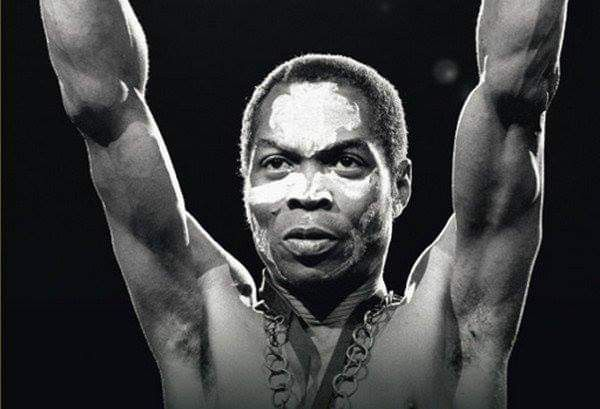
During the attack, residents were severely beaten, and women were brutalized. Fela was beaten and sustained serious injuries, including a fractured skull. His mother, Funmilayo Ransome-Kuti, was thrown from a second-floor window and died from her injuries months later.
The compound, including Fela's studio and instruments, was destroyed by fire. No one was ever held accountable for the raid. Fela responded with protest songs like "Unknown Soldier" and "Coffin for Head of State
It’s impossible to tell this story without music pulsing through every scene. Fela’s life already reads like a screenplay, resistance, art, madness, brilliance. But the Kalakuta raid is the climax: personal loss and political war merging into one unforgettable moment. This is culture, courage, and catastrophe wrapped in a single narrative.
4. The #EndSARS Lekki Tollgate Shooting (2020) – A Generation Demands Justice
On the 20th October, 2020, Young Nigerians gathered peacefully at the Lekki Toll Gate, demanding an end to police brutality. What began as hope turned into horror when soldiers opened fire.
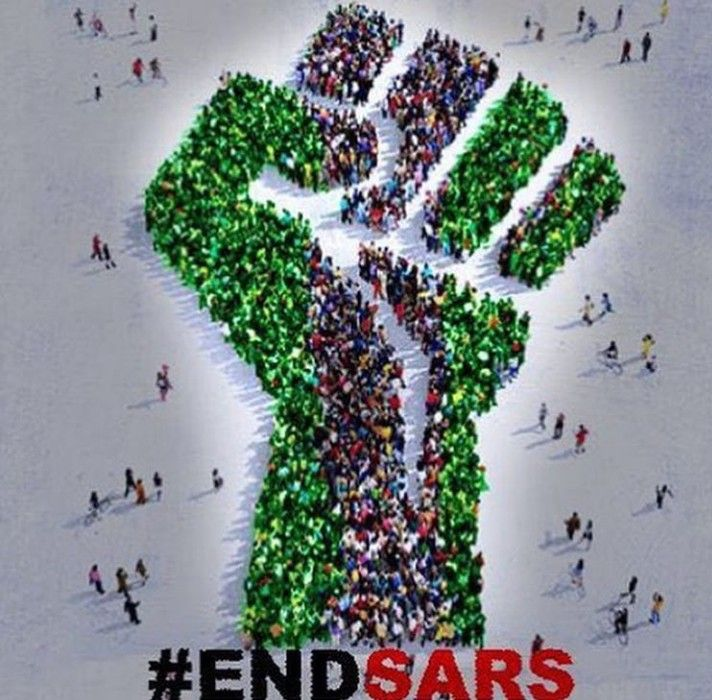

A film on this moment wouldn’t need embellishment. The rawness is already there: the flags raised high, the chants, the sudden silence, the lights cut off, the world watching through phone screens. It’s a story about courage, sacrifice, and the unbroken spirit of a generation that refused to be silent.
5. The Death of Abacha (1998) – The Fall of the Strongman
General Sani Abacha, Nigeria's military head of state from 1993, died suddenly on June 8, 1998, at the Presidential Villa in Abuja at the age of 54. The official cause of death was announced as a heart attack, but the exact circumstances remain a subject of speculation due to the absence of an official autopsy.
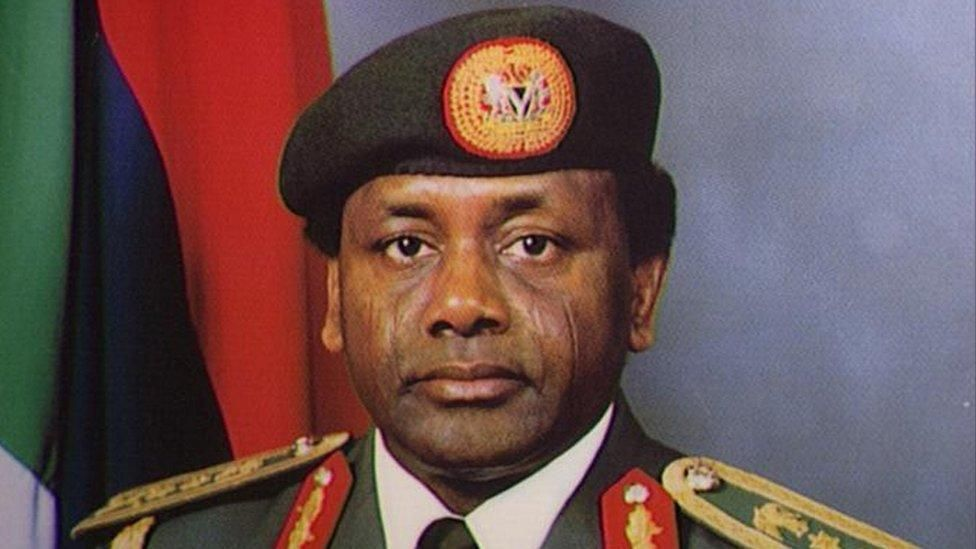
Cinematically, this is the moment everything shifts, the whispers in Aso Rock, the cautious relief in the streets, the hushed fear that something worse may follow. A story about power, its grip, and its fragility. Even the strongest can fall, and sometimes in the quietest ways.
6. Nigeria’s 2023 Cashless Crisis – When Money Became a Myth
January to March 2023, Nigerians woke up to a new reality: money still existed, but nobody could touch it. The redesign of the naira turned into a nationwide chokehold. Banks failed to dispense cash and POS agents became mini-gods. People stood in queues for hours only to return home empty-handed.

This moment deserves a film not because it was dramatic, but because it was surreal. Imagine a scene where a man has ₦50,000 in his account but can’t buy bread. Or a market woman crying because she can’t collect digital transfers. It was a national pressure cooker, a psychological thriller disguised as economic policy.
7. The Assassination of Dele Giwa (1986) – Truth Meets Fire
Dele Giwa was killed by a parcel bomb in his home at Ikeja, Lagos, while in his study with Kayode Soyinka, on Sunday 19 October 1986. The assassination occurred two days after he had been interviewed by State Security Service (SSS) officials.
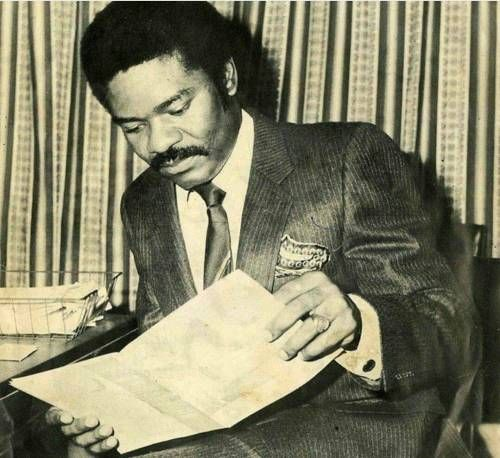
A film about Giwa is a film about courage. About the price of truth, and a country that has always had a complicated relationship with accountability. Every scene would be heavy, tense, and unforgettable.
8. Ken Saro-Wiwa’s Execution (1995) – A Voice Silenced to Protect Oil
Ken Saro-Wiwa didn’t die because he was loud; he died because he refused to act deaf. In a country where oil money dripped into the pockets of men who treated the Niger Delta like collateral damage, he dared to say the land was bleeding. He dared to say the people mattered. And for that, the state treated his truth like a threat.
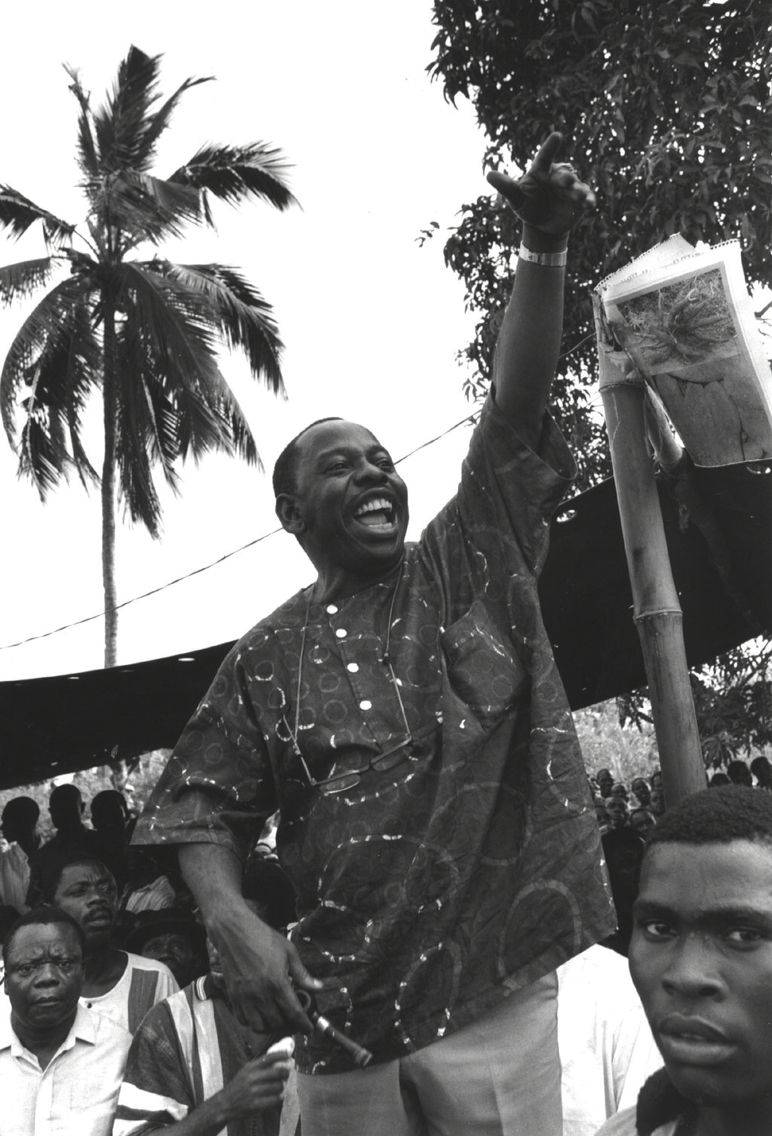
His execution wasn’t just a death sentence, it was a warning, a performance, a deliberate attempt to remind Nigerians that power doesn’t like being questioned. His last moments weren’t wrapped in shame; they were wrapped in clarity.
He knew he was paying the price for speaking in a place where silence is safer. And years later, the same oil spills, the same poverty, the same broken promises still sit there like ghosts; proof that he wasn’t lying, proof that the truth can kill you, and proof that sometimes the bravest thing a person can do is refuse to look away.
Conclusion
These aren’t just events; they are turning points, markers of who we were, who we became, and who we’re still trying to be. They carry the messiness of power, the tenderness of humanity, and the chaos that has shaped Nigeria across decades.
Film isn’t just entertainment. It’s memory. It’s confrontation. It’s the way a nation finally sits with its past and asks, “How did we survive this?”
And Nigeria, oh Nigeria, has survived more than fiction could ever dare to imagine.
(ALL IMAGES ARE FROM PINTEREST)