7 Ways to Stay One Step Ahead of Online Scammers
You don’t have to be careless to get scammed. With over half of adults targeted every year, today’s scams are smarter, faster, and harder to spot. Learn the subtle tricks scammers use and how to protect yourself before it’s too late.
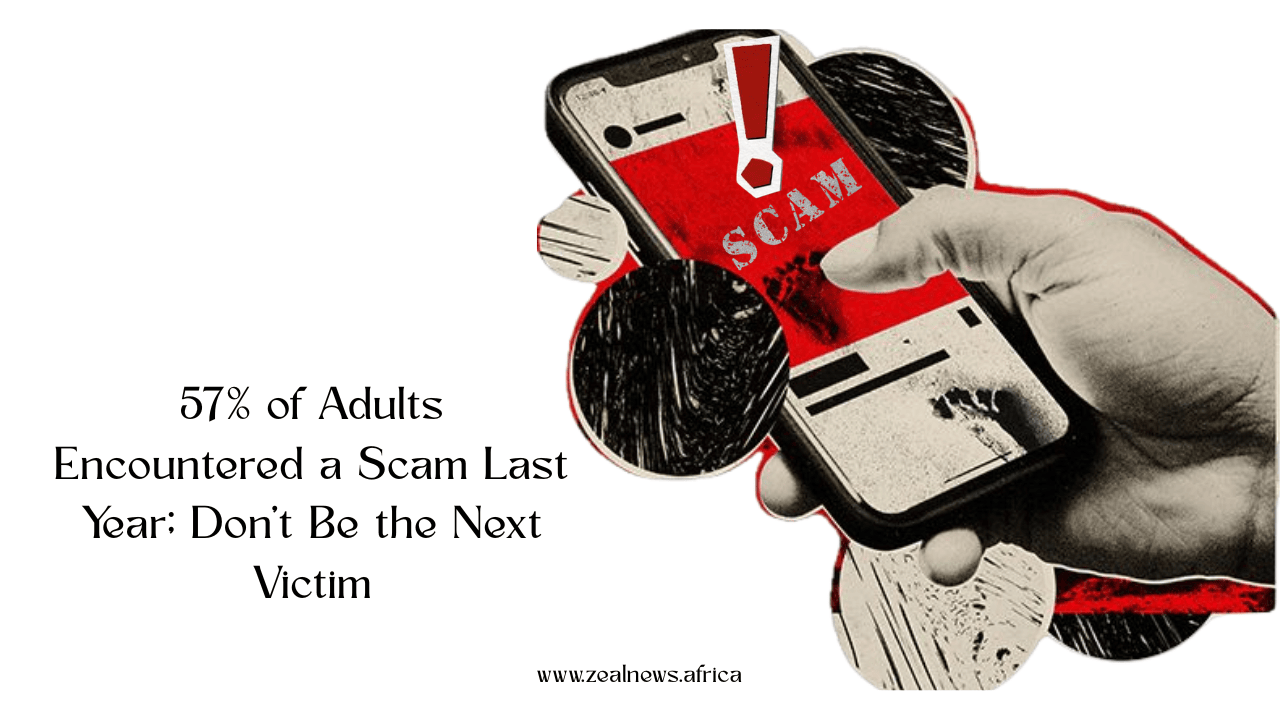
Scams aren’t childish hoaxes anymore, they’re smart, sneaky and way too common. You’d think only someone else falls for them. But, spoiler alert: a lot of real people do.
Here’s the part that should make you pause your scroll: globally, 57 per cent of adults reported encountering a scam in the last year, and almost one in four people lost money to one. That’s not “some guy on the internet,” that’s actual adults trying to live their lives.
In Africa, it’s just as real. A continent-wide survey found that nearly 40 per cent of people had already been scammed at least once, with almost half of those cases involving the theft of money.
So, no, this isn’t paranoia; this is the everyday digital hustle we all need to be aware of.
1. If It Looks Too Good To Be True, It Always Is
Ever see a message promising you’ll turn ₦10,000 into ₦200,000 in a week? Or a job that pays huge money with zero experience required? That’s classic scam bait.
Here’s the science: scammers know people want fast wins. They play on that excitement. In Africa, scams often involve fake investments, cryptocurrency schemes, fake job offers, and “verified” financial alerts, all designed to appear legitimate but with malicious intentions.

What should you do?
Take a breath. Then do your homework. Google the company name, check reviews, and look for contact details that aren’t just Instagram accounts. If you can’t find anything legit, assume it’s a trap.
Let’s say one person shared a story about a job offer that promised a huge payout after a few hours of work, but then asked for payment upfront to “unlock the funds.”
Classic scam twist. No credible employer does that. Always start your skepticism early.
2. Urgency Is Their Secret Weapon
Scammers understand one thing about humans: when you panic, you think less and click more.
You’ll hear lines like:
“Send the money now or lose your account forever!”
“Act immediately, limited spots left!”
These aren’t warnings; they’re manipulative tactics meant to short-circuit your common sense.
Instead of making quick decisions or rushing to take an action, pause. Literally take a step back. No legitimate bank or company will demand instant action without giving you a chance to verify.
Call the official number (not the one in the suspicious email or message). Ask a friend. Sleep on it.
Social Insight
Navigate the Rhythms of African Communities
Bold Conversations. Real Impact. True Narratives.
Trust me, that five-minute pause could save you a lot.
3. Scammers Are Masters Of Disguise
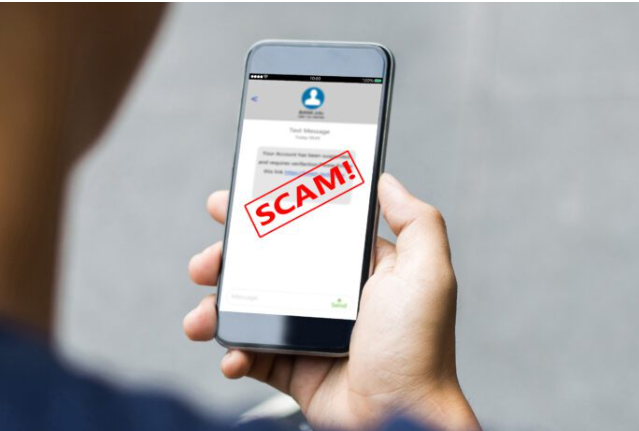
Some scams these days don’t look like scams at all. They come in well written emails, slick websites, or WhatsApp messages that look official.
And statistics bear this out: over half of scam victims said they believed the offer was real because the site looked legitimate.
They might pretend to be a bank alert, a government grant, an NGO scholarship, you name it.
Never click links in suspicious messages. Instead, type the official website address into your browser yourself and see if what the message claims lines up with information on the real site.
4. Banks Don’t Ask For PINs or OTPs — Ever
This one should be obvious, but it still trips people up. No bank, employer, or verified organisation will ever ask for your Personal Identification Number, BVN, OTP, or full card details.

If someone asks for that, they’re not legit. Full stop.
Guard this info like it’s physical cash. If someone asks for it, hit “block” and move on. Seriously.
And if you’ve ever shared any of that data, call your bank immediately.
5. Social Media Isn’t Proof Of Legitimacy
Just because an account has a logo, a bunch of followers, and “testimonials” doesn’t mean it’s authentic.
Scammers often build polished social media profiles with fake followers and fabricated reviews.
If an account sprang up yesterday with thousands of followers, or everything feels too curated, that’s a warning sign.
Check account age, look for inconsistencies in posts, and see if the interactions feel genuine. Real engagement doesn’t usually read like a robotic promo.
6. Trusting Your Instincts Isn’t “Sensitive”, It’s Smart
Honestly, your gut usually gets it right. If something feels off, even if you can’t put your finger on why; listen to that feeling.
Scams are designed to be believable. Your instincts are often the last line of defence.
Step away for a minute. Text a friend or family member. Ask for a second opinion. A fresh set of eyes will often spot something you missed.
7. Scams Evolve, So Should Your Awareness
Just like good phone apps get updated, scam strategies do too. Yesterday it was fake shopping sites, today it’s impersonating companies and crypto investment scams, tomorrow who knows?
Globally, we’re talking about roughly 9 million adults encountering scam attempts every single day, with about 3.6 million losing money.
Social Insight
Navigate the Rhythms of African Communities
Bold Conversations. Real Impact. True Narratives.
That scale means you’re not alone, but knowledge really is power here.
Follow trusted sources on scam trends. Subscribe to newsletters on digital safety. The more you know, the harder it is for scammers to catch you off guard.
At the end of the day, avoiding scams isn’t about being paranoid; it’s about being prepared, informed, and a little bit sceptical. These people are clever, but humans are cleverer. Stay alert, ask questions, and don’t let a shiny offer blindside your common sense.