7 Mistakes That Can Damage Your Hair After Relaxing It
Your hairdresser has done her part. But are your everyday hair habits undoing all that work? Here are seven relaxed-hair mistakes you might not realise you're making.
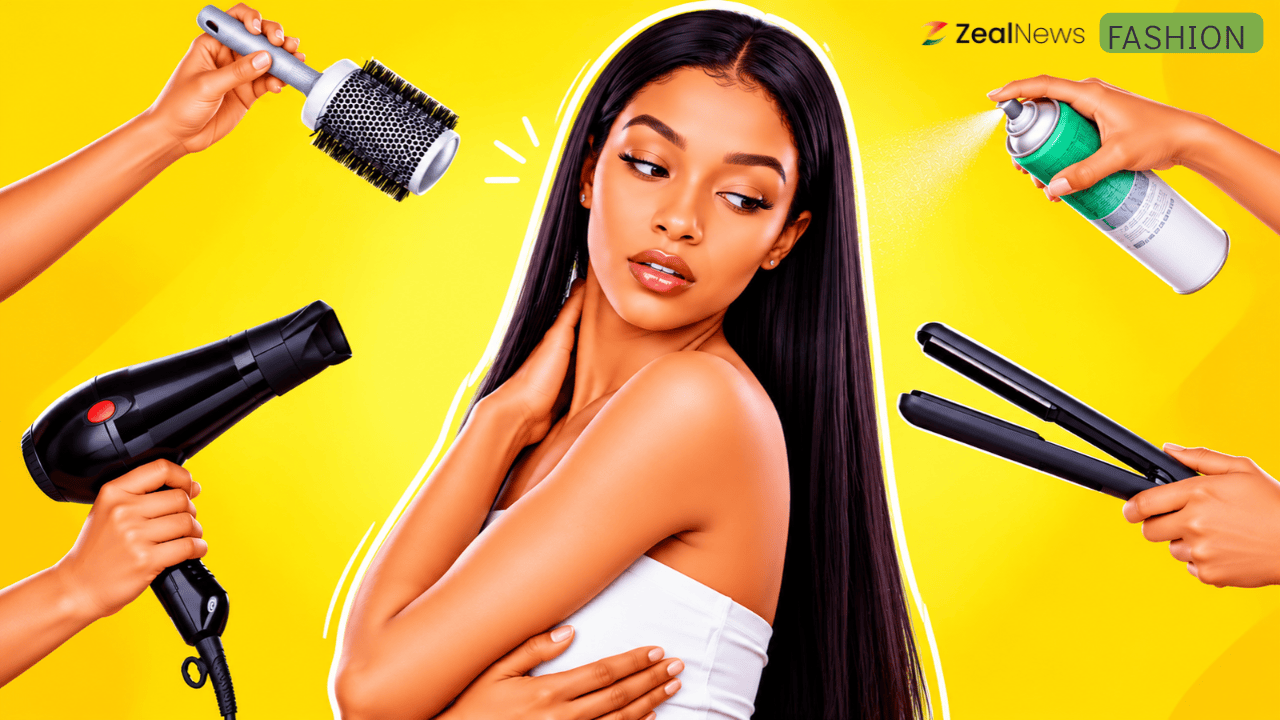
There has always been plenty of talk around natural hair, from how to care for it to the best ways to style and maintain it.
What about relaxed hair?
Because they deserve some attention too.
There is something satisfying about leaving the salon with freshly relaxed hair.
Your roots are smooth, your comb glides through easily, and styling feels less stressful. But maintaining that hair comes with its own challenges.
If you want to enjoy your relaxed hair without constantly dealing with breakage, watch out for these seven mistakes.
1. Assuming Your Hair Is Healthy Because It Looks Good After Relaxing
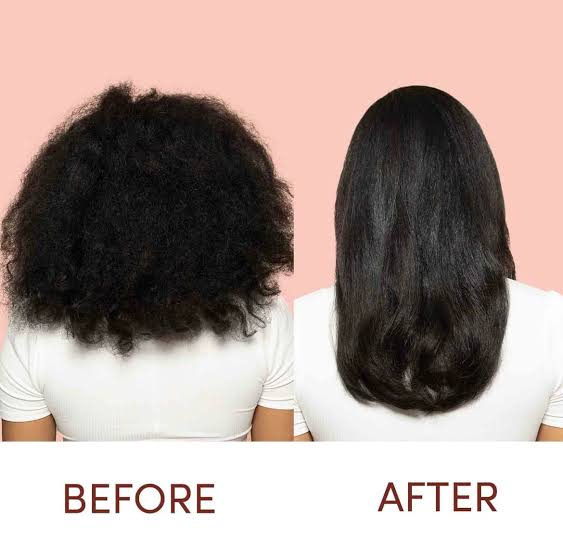
Freshly relaxed hair can be deceiving. It looks smooth, feels softer and may be much easier to comb than it was before the appointment. But does not necessarily mean the hair is in good condition.
Relaxers work bybreaking and rearranging the chemical bonds that give hair its natural shape. In the process, the hair can lose some of its structural strength, making it more susceptible to breakage, especially when exposed to additional chemical or physical stress.
This is why some women are surprised when hair that looked perfectly fine after a salon visit starts breaking weeks later.
Do not judge your hair's condition by how straight or shiny it looks. Pay attention to how it behaves when you comb, wash and style it. Make gentle handling and regular conditioning part of your routine, even when your hair appears perfectly fine.
2. Treating Deep Conditioning Like an Occasional Luxury
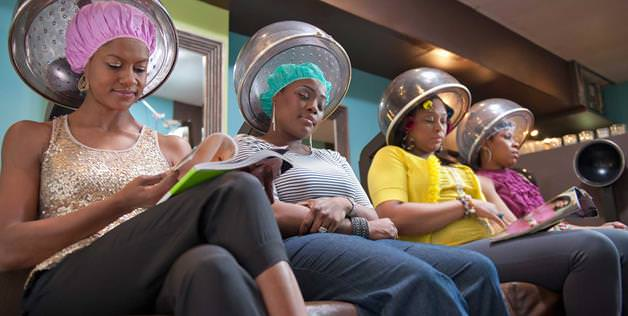
You know that feeling when your hair looks great after a salon treatment, so you start postponing your next proper conditioning session? That is a habit to stop.
Shampooing helps remove dirt, sweat and product buildup, but cleansing alone does not provide the conditioning your hair needs. Relaxed hair can become dry and difficult to manage, and skipping conditioner makes detangling and styling more challenging.
There is also a difference between applying a little leave-in conditioner before styling and giving your hair a proper conditioning treatment.
Use a rinse-out conditioner after shampooing and incorporate a deep-conditioning treatment into your wash routine.
3. Thinking Every Hair Problem Needs More Oil or Moisturiser

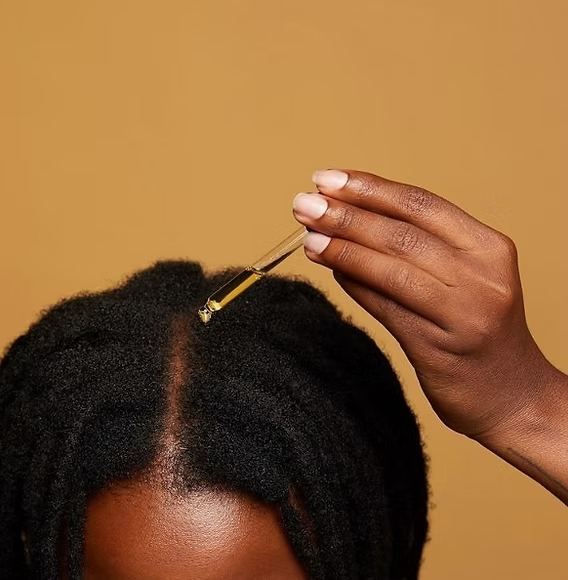
When relaxed hair starts feeling dry, the first instinct for many people is to reach for more oil, hair cream or moisturiser. When it starts breaking, some immediately switch to protein treatments.
Neither is necessarily wrong, but applying products without understanding what your hair needs can make your routine less effective.
Moisturising and conditioning products help improve softness and manageability, while protein-based treatments can temporarily reinforce damaged areas of the hair shaft. They serve different purposes and are not interchangeable.
Pay attention to the condition of your hair rather than following every product recommendation you see online. If it feels dry, review your cleansing and conditioning routine. If it is unusually weak and breaking, consider whether a suitable strengthening treatment is appropriate.
Also, remember that oil is not a substitute for water-based moisturising or conditioning.
4. Making Your Flat Iron Your Hair's Best Friend
Flat iron is convenient, especially when you want that sleek finish without spending hours at the salon.
The problem starts when heat becomes part of almost every styling session.
Blow dryers, curling irons and flat irons expose hair to high temperatures.Repeated heat exposure can damage the hair shaft, worsen dryness and increase breakage. Chemically processed hair already has a reduced margin for additional stress, so frequent heat styling can make matters worse.
Give your hair a break from direct heat. Try roller sets, wrapping or other lower-heat styling methods when suitable.
When using heat tools, apply a heat protectant, choose the lowest effective temperature and avoid repeatedly passing the iron over the same section.
5. Forgetting That Your Hair Needs Protection While You Sleep

You can spend an entire afternoon washing, conditioning and styling your hair, only to wake up with tangled ends and a hairstyle that looks nothing like it did the night before.
Part of the problem may be your pillowcase.
Cotton fabrics can create friction as your hair moves against them during sleep. This can contribute to tangling and breakage, particularly when the ends are already dry or fragile.
Make a satin or silk bonnet part of your nighttime routine. A satin pillowcase is another option if you find bonnets uncomfortable or tend to remove them while sleeping.
Before bed, arrange your hair loosely and avoid tight overnight styles that pull on your roots.
6. Sacrificing Your Edges for a Sleek Hairstyle
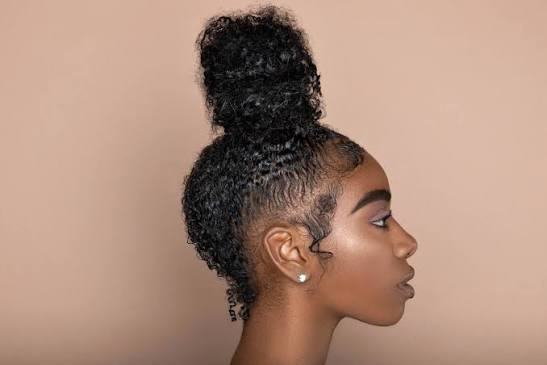
We all know the appeal of a neatly laid hairline. A little edge control, a brush and a few minutes can transform an otherwise simple hairstyle.
But constantly brushing, pulling and slicking your edges back can put unnecessary stress on the hairline. Add tight ponytails, buns, braids or extensions, and the repeated tension can eventually causetraction alopecia, a form of hair loss associated with sustained pulling on the hair.
This is particularly concerning because prolonged traction can cause permanent hair loss in affected areas.
: Give your edges room to breathe. Avoid hairstyles that pull tightly at the temples, reduce aggressive brushing and do not ignore pain or tenderness after styling.
7. Rushing Into Another Relaxer Touch-Up
New growth can be frustrating, especially when the roots start looking different from the rest of the hair.
You may be tempted to book another salon appointment as soon as your natural texture becomes noticeable.
However, relaxing your hair too frequently can expose it to unnecessary chemical damage. An equally damaging mistake is allowing relaxer to overlap onto hair that has already been processed.
Previously relaxed sections do not need another application. Processing them again can weaken the strands and increase the risk of severe breakage.
Give your hair sufficient time between touch-ups. At least six weeks is a commonly recommended minimum, although many people need longer depending on their hair growth and condition.
Have the relaxer applied carefully to new growth only, without overlapping the previously relaxed lengths.
If your hair is already breaking, do not assume another touch-up will make it easier to manage. It may be time to pause chemical treatments and assess its condition.