7 Foods You Should Avoid Pairing With Eggs
Eggs are a breakfast staple across Africa, but some popular food pairings quietly cancel out their health benefits. Here are 7 foods you should stop eating with eggs and why it matters for digestion and nutrition.

Eggs cut across Africa’s kitchens without effort. From roadside akara-style omelettes and egg stews to boiled eggs sold with bread at dawn, they remain one of the continent’s most reliable protein sources.
Affordable, filling, and fast to prepare, eggs sit comfortably in both home kitchens and street food culture. But tradition does not always equal nutritional wisdom.
Some food pairings common in daily meals quietly work against the benefits eggs are meant to provide.
Understanding how foods interact matters just as much as knowing how to cook them.
Citrus Fruits
In many African homes, eggs are served alongside oranges, tangerines, or lemon-based sauces, especially at breakfast. The problem lies in acidity.
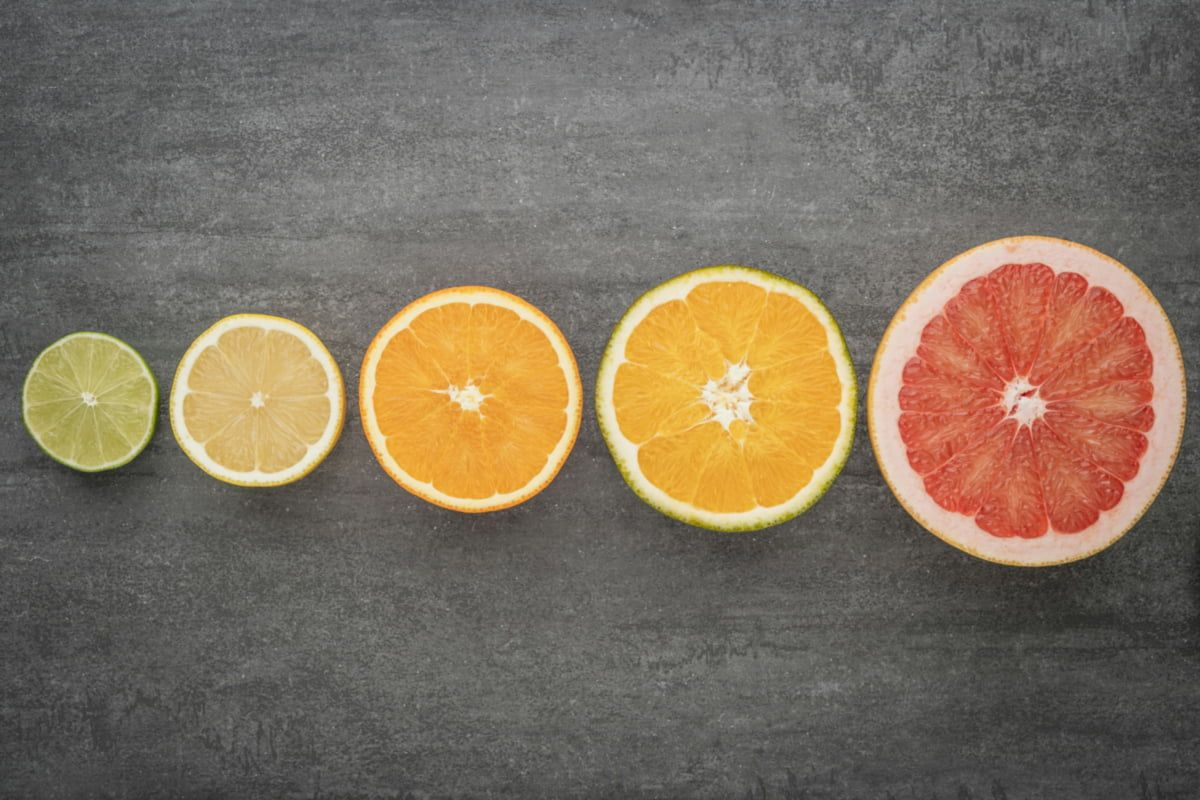
Citrus fruits accelerate protein breakdown, affecting the texture of eggs and slowing digestion. The sharp sourness also overpowers the mild richness of eggs, leaving the meal nutritionally inefficient and sensory mismatched.
Fermented Milk and Sour Yoghurt
Locally fermented milk, sour yoghurt, and curd are staples in several African regions, valued for their probiotic benefits. However, when eaten with eggs, their acidity interferes with protein digestion.
This combination often leads to bloating or stomach discomfort. While both foods are valuable individually, together they place unnecessary strain on digestion.
Soy-Based Drinks
With the rise of plant-based alternatives in African cities, soy milk has become increasingly popular. Soy contains phytates that reduce protein absorption.
When consumed with eggs, these compounds limit how much of the egg’s protein the body can actually use. For people relying on eggs as an affordable protein source, this pairing quietly undermines its purpose.
Pickled and Vinegar-Heavy Foods
Eggs are common in stews, sandwiches, and quick meals paired with pickled vegetables, pepper sauces preserved with vinegar, or heavily fermented accompaniments.

High acidity dulls the natural flavour of eggs and disrupts their soft texture. Over time, such pairings can also irritate sensitive stomachs.
Alcohol
In some social settings, eggs appear as bar snacks or are eaten before drinking alcohol under the assumption that they “prepare the stomach.”
In reality, alcohol masks the subtle flavour of eggs and interferes with digestion. Its acidic nature can also make egg-heavy meals feel heavy and uncomfortable, offering little nutritional advantage.
Sugary Breakfast Foods
Packaged cereals and sweetened pastries are increasingly paired with eggs in urban African breakfasts.
This mix creates a sharp metabolic contrast. Eggs release energy slowly through protein and fat, while sugary foods cause rapid blood sugar spikes. The result is early fatigue rather than sustained energy.
Tea
In many African homes, eggs are often eaten with a hot drink, like brewed black tea, green tea, or herbal infusions.
These traditional teas contain tannins, compounds that can reduce the absorption of iron and certain proteins from eggs, making the meal less nutritious.

The strong, slightly bitter flavour of tea can also overpower the delicate taste of eggs, leaving an unpleasant aftertaste.
Drinks like Milo, cocoa, or sweet milky beverages don’t contain tannins, so they don’t block nutrient absorption in the same way.
However, the sugar and milk in these drinks may clash with the savoury flavour of eggs and could cause an energy spike rather than steady fuel.
Conclusion
Eggs remain one of Africa’s most valuable everyday foods, especially in households where protein access is limited. Protecting their nutritional value is not about abandoning tradition but refining it.
Thoughtful food pairing improves digestion, energy levels, and long-term health outcomes. In nutrition, what you combine matters as much as what you consume.