₦60M Push: Obidients, Kwankwasiyya Back Obi-Kwankwaso 2027 Alliance
Supporters of Peter Obi and Rabiu Musa Kwankwaso have initiated early coalition talks for Nigeria's 2027 elections, aiming for a consensus presidential ticket under the Nigeria Democratic Congress. They plan to raise ₦60 million for a joint nomination form, seeking to build a formidable opposition alliance and avoid past fragmentation. The discussions touch upon power-sharing, leadership, and transparent primaries within the emerging coalition.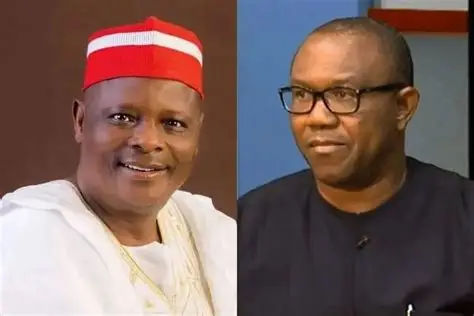
Ahead of Nigeria's 2027 general elections, supporters of former presidential candidates Peter Obi and Rabiu Musa Kwankwaso have initiated early coalition discussions. These talks are aimed at forming a consensus presidential ticket under the umbrella of the Nigeria Democratic Congress (NDC). This significant development, unveiled during the party’s Aspirants’ Summit in Abuja, saw the Obidient and Kwankwasiyya movements announce plans to collectively raise ₦60 million. This fund is specifically designated for the purchase of a joint presidential nomination form, an initiative described by organizers as a symbolic grassroots mobilization effort to foster opposition unity.
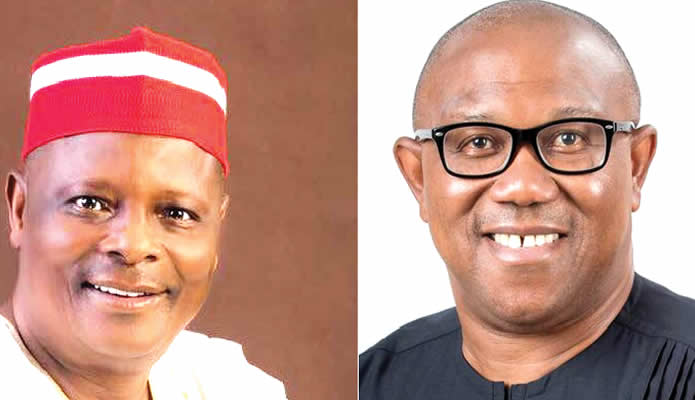
The impetus behind this proposed alliance stems from a desire to circumvent the fragmentation that plagued opposition parties during the 2023 presidential contest, which saw both Obi (Labour Party) and Kwankwaso (New Nigeria Peoples Party) run separately. Political observers view this collaboration as a reflection of increasing pressure within opposition circles to forge a broader, more formidable alliance capable of mounting a robust challenge against the ruling party in the upcoming 2027 elections. Dr. Yunusa Tanko, National Coordinator of the Obidient Movement Worldwide, emphasized that the fundraising drive is intended to demonstrate widespread popular support for a coalition that many Nigerians believe could fundamentally alter the country's political trajectory.
He added that the proposed alliance is a direct response to a growing public demand for a stronger, more coordinated opposition platform equipped to tackle Nigeria's pressing economic and governance challenges.
While neither Peter Obi nor Rabiu Musa Kwankwaso has formally declared their intention to contest the 2027 presidential race, the escalating cooperation between their respective support bases has already ignited considerable political discussion. These conversations revolve around potential power-sharing arrangements, regional balancing, and the delicate management of competing political ambitions.
Representing Peter Obi at the summit, Chief Peter Ameh, former Chairman of the Inter-Party Advisory Council, urged all aspirants seeking elective positions under the NDC to prioritize national interest, competence, and credibility over personal aspirations. Ameh issued a strong caution against coalitions founded solely on political convenience and defections without a clear ideological underpinning, arguing that such alliances are unlikely to gain the trust and confidence of Nigerians. He also critically addressed the prevalent culture of post-election defections by politicians, asserting that such actions undermine democratic accountability and constitute a betrayal of voters who cast their ballots based on specific party programs and manifesto promises.
NDC leaders urged competence, credibility, and national interest over personal ambition, warning against alliances built on political convenience. They also criticized post-election defections, calling them harmful to democracy.
Moshood Shittu said Nigeria’s challenges stem from leadership failure, while NDC Secretary Ikenna Enekweizu promised transparent primaries and reduced nomination fees for women, youths, and persons with disabilities.
Buba Galadima warned opposition parties against poorly handled primaries, saying internal crises could weaken coalition efforts before 2027. He argued that violent primaries often lead to lawsuits and divisions, urging parties to adopt consensus arrangements to preserve unity ahead of the elections.