AI Fatigue Alert: Don't Mention It in 2026 Commencement Speeches
Graduating students are expressing significant unease about artificial intelligence, often booing speakers who highlight an AI-driven future at commencement ceremonies. This widespread skepticism, observed at institutions like the University of Central Florida and the University of Arizona, reflects deeper anxieties about job prospects and societal changes in an era of rapid technological advancement.
Commencement season in the current year has revealed a significant challenge for speakers attempting to motivate graduating students with visions of an artificial intelligence-driven future.
This sentiment was notably evident in several high-profile instances, highlighting a prevailing unease among the younger generation regarding the impact of AI on their careers and lives.
"I Struck a Chord": The UCF Backlash
Gloria Caulfield, an executive from Tavistock Development Company, encountered strong resistanceduring her speech at the University of Central Florida. She acknowledged living in a period of "profound change" that is both "exciting" and "daunting," declaring, "The rise of artificial intelligence is the next industrial revolution."
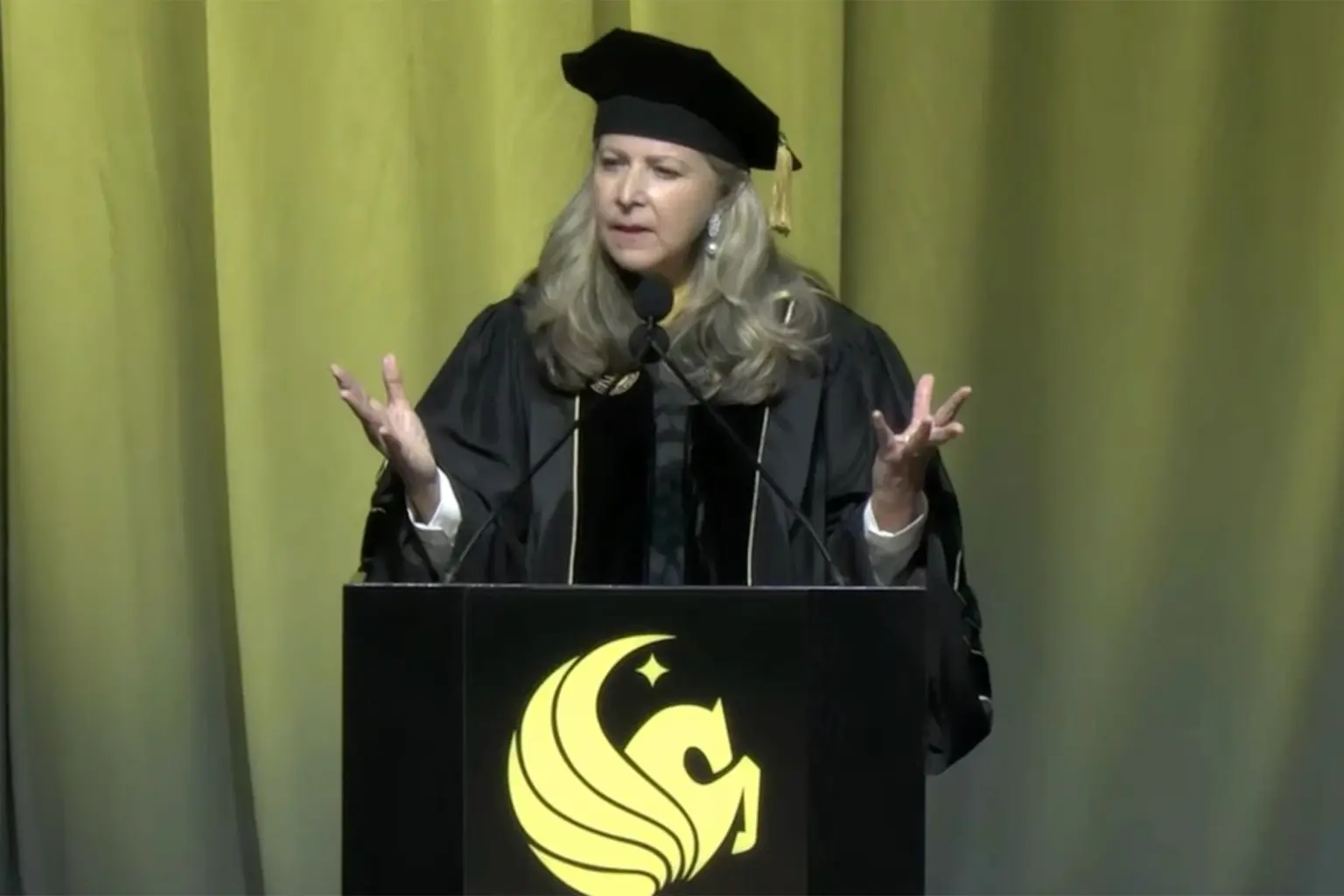
This statement was met with escalating boos from the audience, prompting Caulfield to ask, "What happened?" and remark, "Okay, I struck a chord."
When she attempted to continue, stating, "Only a few years ago, AI was not a factor in our lives," the students responded with loud cheers and applause, indicating their preference for a reality less dominated by AI.
It was also noted that Caulfield, speaking to arts and humanities graduates, had already begun to lose her audience with what one student described as "generic" praise of corporate executives like Jeff Bezos.
Eric Schmidt and the Rocket Ship Nobody Wants to Board
Former Google CEO, Eric Schmidt, faced a similar wave of disapproval at the University of Arizona.
His reception was complicated by pre-speech criticism from student groups calling for hisremoval due to a sexual assault lawsuit allegation (which he has denied).
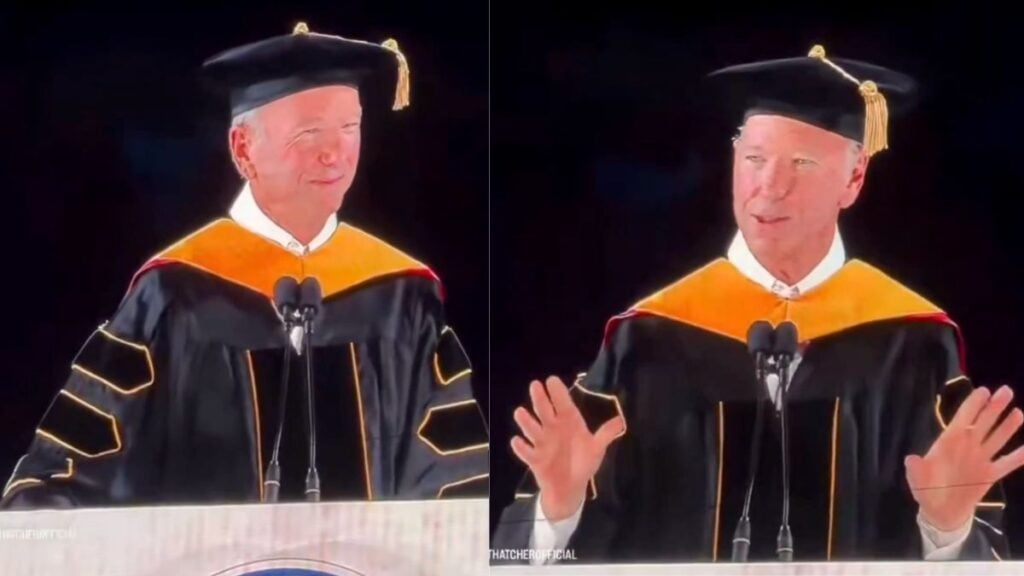
However, even when Schmidt addressed the future, telling students, "You will help shape artificial intelligence," he was met with persistent boos.
He attempted to override the dissent, asserting, "You can now assemble a team of AI agents to help you with the parts that you could never accomplish on your own. When someone offers you a seat on the rocket ship, you do not ask which seat, you just get on."
Not Every Room Is Booing, But the Anxiety Is Real
While these reactions suggest a widespread sentiment, AI is not universally met with negativity at every graduation ceremony.
Nvidia CEO, Jensen Huang, for instance, spoke at Carnegie Mellon's commencement and received no audible pushback when he stated that AI has "reinvented computing."
This suggests that the context, audience, and speaker's perception can influence the reception of AI-related topics.
The underlying reasons for student pessimism extend beyond just AI.
A recent Gallup poll showed a dramatic decline in optimism among Americans aged 15 to 34 about finding local jobs, dropping from 75% in 2022 to just 43%.
This broad pessimism is exacerbated by the rise of AI, which journalist and tech industry critic, Brian Merchant, describes as "the cruel new face of hyper-scaling capitalism."
Merchant articulated the student perspective, stating he "would loudly boo at the prospect of this next industrial revolution if I was in my early twenties, unemployed, and had aspirations for my future greater than entering prompts into an LLM."
Even when AI was not explicitly mentioned, "resilience" emerged as a recurring theme in many graduation speeches, reflecting a general acknowledgment of a challenging future.
Schmidt himself recognized a profound "fear in your generation that the future has already been written, that the machines are coming, that the jobs are evaporating, that the climate is breaking, that politics are fractured, and that you are inheriting a mess that you did not create."

This collective sentiment was succinctly captured by graduate Alexander Rose Tyson, who noted, "It wasn't one person that really started the booing. It was just sort of like a collective, 'This sucks.'"
These events underscore a deep-seated anxiety among graduating students about the future, with artificial intelligence serving as a potent symbol of these broader concerns.