5 Rainy Season Health Risks Nigerians Rarely Take Seriously and How to Stay Safe
Nigeria's rainy season brings more than malaria and cholera. From leptospirosis to flood-related PTSD, here are five underreported health risks and how to protect yourself this wet season.

The rains are back and with them are the wet roads, frequent gridlocks and the annual hospital surge. Malaria and cholera get their free PR during this time of the year, however, there are quiet threats this season that people associate to stress, bad luck or spiritual attack.
Here are five rainy season health risks in Nigeria that deserve more attention, and what to actually do about them.

Leptospirosis: The Flood Water Infection Masquerading as Typhoid
If you have ever waded through floodwater and then came down with unexplained fever, headache, and muscle aches, leptospirosismay have been the culprit.
It is a bacterial infection spread through water or soil contaminated with the urine of infected rats. In Nigerian urban settings where rodent populations spike around drainage channels and refuse dumps, the risk is high.
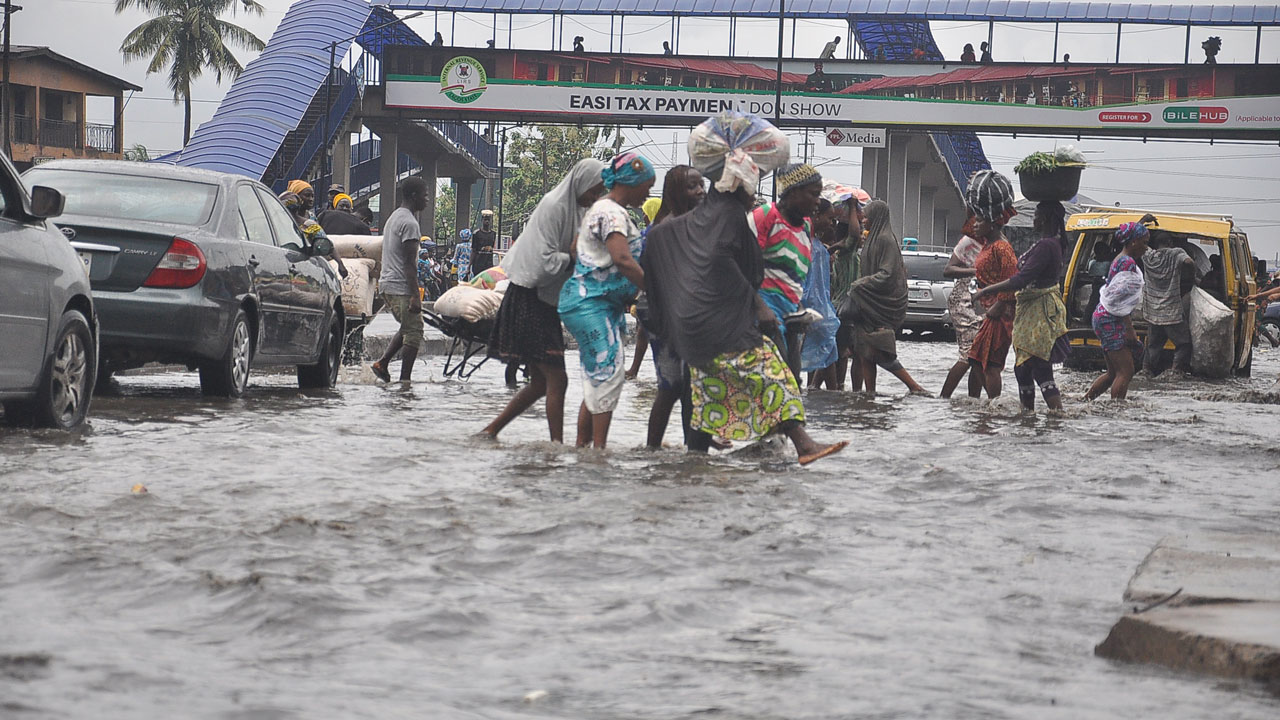
Research published in 2025 following major floods in Brazil confirmed a dramatic spike in confirmed leptospirosis cases, with the highest burden falling on dense, low-income urban communities. These exact conditions mirror that of Lagos and other megacities within the country.
The disease can progress to kidney failure if untreated, yet it is regularly misdiagnosed as typhoid.
To prevent this, avoid wading through floodwater with open cuts or bare feet. Wash exposed skin afterward with soap. If fever and muscle pain develop within two weeks of flood exposure, tell your doctor.
Mold-Related Respiratory Infections That Aren't Just "Catarrh"
Nigerians love to blame the rain for catarrh. However, persistent coughs, wheezing and fatigue that antibiotics don't fix during this season are often mold-related and not bacterial.
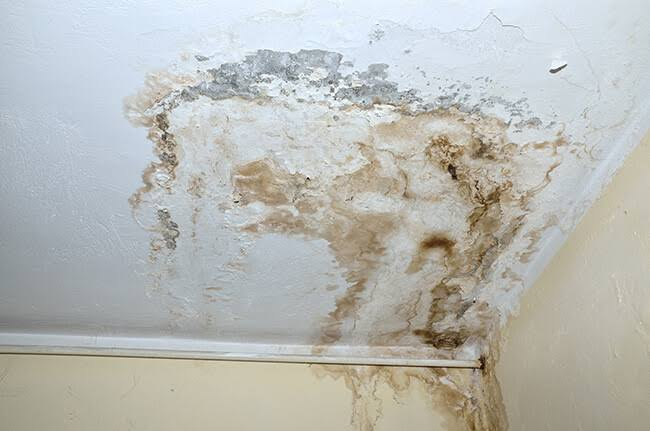
Damp walls, poorly ventilated rooms and wet clothing stored indoors create ideal breeding grounds for mold spores that inflame the respiratory tract.
Research tracking air quality in Nigeria found that while outdoor air pollution reduces in the wet season, indoor conditions worsen significantly due to moisture and mold exposure.
A prospective study on respiratory disease in Nigerian children found that the peak prevalence of severe acute lower respiratory infections occurred consistently in the wet season, May through October.
For people living with asthma, damp environments during the rainy season can trigger attacks severe enough to require emergency care.
Always ventilate rooms even when it is raining. Dry clothes with a fan if you can't go outside. Treat damp wall patches with antifungal paint. For asthma patients, always keep inhalers within reach every single rainy season and not when symptoms begin to surface.
Related Read: Mold Exposure Symptoms: How Mold Can Mimic Anxiety, ADHD, and Chronic Fatigue
Rainy Season Food Poisoning: Street Food Risk Spikes in the Humidity
The warm, humid conditions of Nigeria's wet season accelerate bacterial growth in food. Any food left out longer than usual becomes a risk. The problem isn't always a dirty vendor; it is that the current weather conditions shorten food's safe window without anyone noticing.
Nigeria's 2022 Flood Impact Assessment found that one in four respondents reported a disease outbreak after flooding, with 89.3% of those outbreaks being waterborne, including food contamination.
Flood events compromise market environments, farm produce and cooking water. The symptoms overlap so heavily with typhoid and cholera that people self-medicate with the wrong drugs.
During these peak rainy months, prioritize freshly prepared food over food that has been sitting. Keep ORS at home and if vomiting and diarrhea last more than 24 hours, go to a clinic; dehydration from food poisoning escalates faster than most people expect.
Flood-Related Mental Health: The Illness Nobody Notices

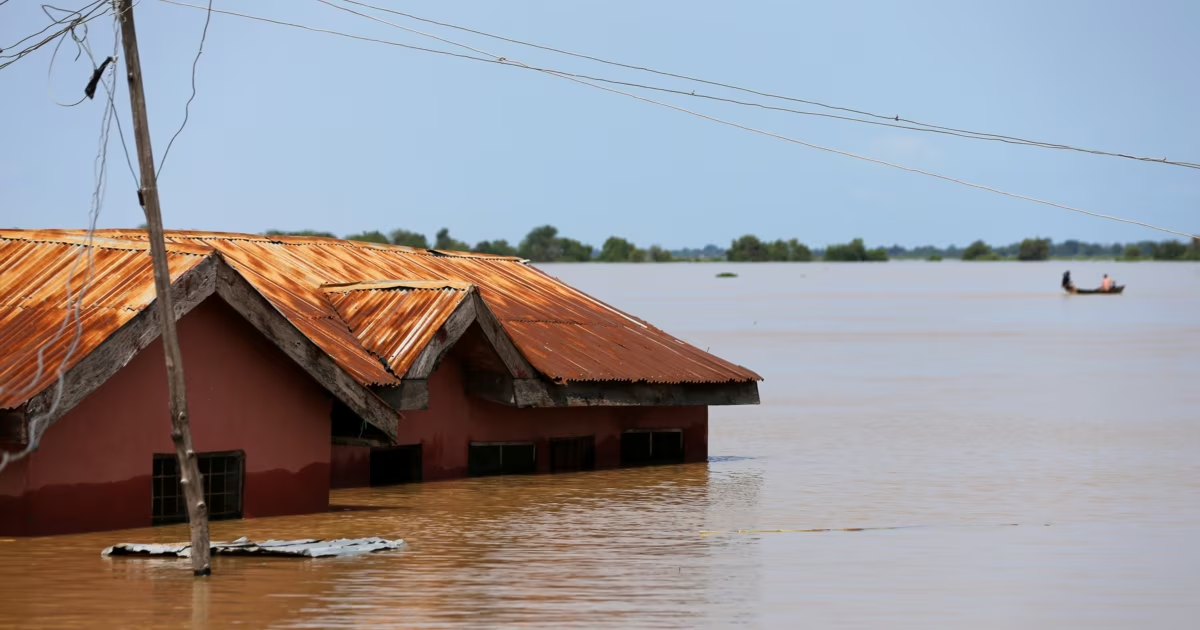
Flooding doesn't just damage property; research has shown that affected individuals are at risk of PTSD, depression, anxiety, and in extreme cases, suicidal ideation, with grief responses that persist long after the water recedes.
A 2024 study in the Annals of Global Health found flooding across West Africa consistently linked to increased anxiety, PTSD and depression, with women in low-income communities at disproportionate risk.
In Nigeria, where 34 of 36 states experience flooding annually, the psychological toll is staggering and largely unaddressed. Mental health vulnerability is highest in the southern states, driven by severe rainfall events.
Low mood, insomnia, and emotional numbness after a flood are documented physiological trauma responses, not a weakness or spiritual attack. The Mentally Aware Nigeria Initiative (MANI) offers support and resources.
Asymptomatic Malaria: When You're Sick Without Knowing
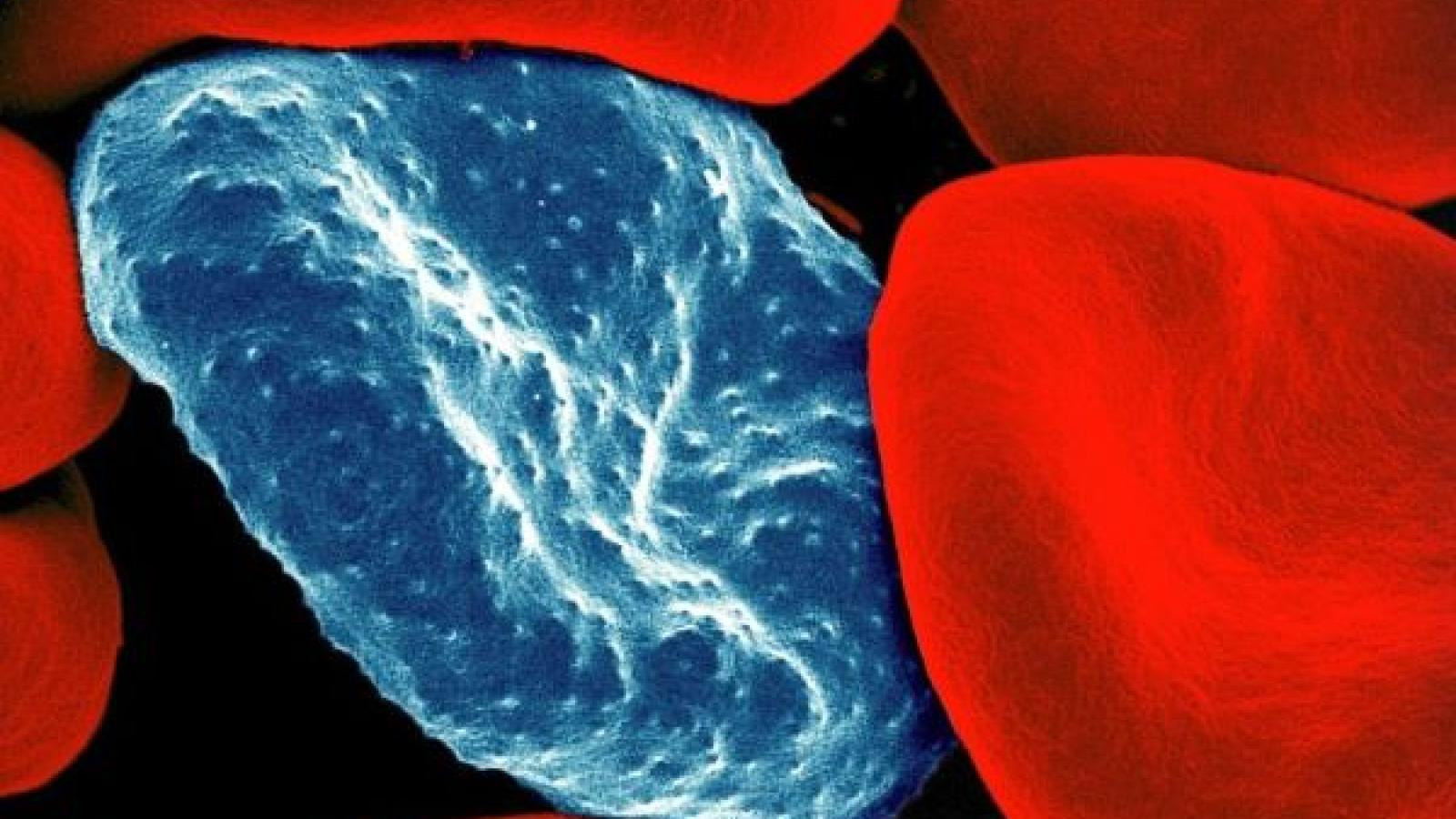
You can carry Plasmodium falciparum during the rainy season with zero obvious symptoms and still infect mosquitoes, who then bite the children in your household.
A 2024 community-based study in Anambra State found significant asymptomatic malaria prevalence among apparently healthy adults at the end of the rainy season, noting that silent transmission threatens to reverse declining infection rates in children under five.
Use insecticide-treated nets year-round, test this season even if you feel fine, and don't wait for symptoms before taking prevention seriously.
The rainy season is not just about the logistical inconvenience and pouring sky. It is a public health window and the threats hiding behind the obvious ones deserve equal urgency.