5 Fashion Items Women Wear Today That Were Originally Made for Men
High heels, handbags, stockings, thongs, and makeup were once worn by men. Read about the surprising history behind these feminine fashion staples and how gender norms reshaped style.

Today, if you see a man wearing high heels, carrying a handbag, applying makeup, or even styling stockings, you might assume he is intentionally embracing femininity.
In many societies, these items are firmly categorized as women’s fashion, symbols of softness, glamour, or elegance.
But history tells a different story, a timeline entirely different from what we see today.
There was a time when these very items were considered masculine,not just masculine but powerful.
They signified status, wealth, authority, and sometimes even military precision.
Fashion is not fixed, ut evolves with culture, politics, and social structures. What we define as “feminine” or “manly” today is often the result of centuries of shifting norms, not biological design.
Gender expression has always existed on a spectrum. Traits, clothing, and aesthetics we now label as feminine were once tools of dominance, warfare, or aristocratic identity.
Here are five very feminine fashion items that were originally made for men.
High Heels
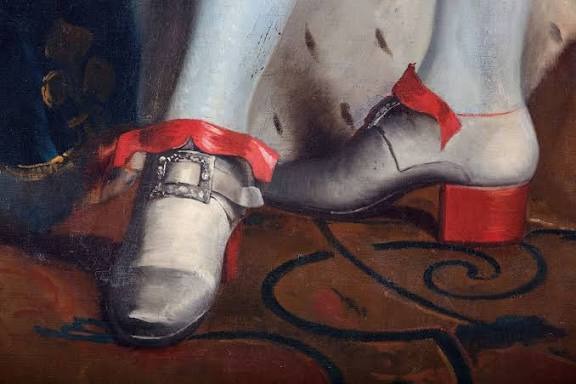
High heels, now closely associated with women’s fashion, were originally designed for men.
Their roots trace back to 10th-century Persia, where cavalry soldiers wore heeled boots to secure their feet in stirrups while riding horses.
The heel provided stability, allowing warriors to stand while shooting arrows.
By the 17th century, heels had made their way to Europe. Male aristocrats embraced them enthusiastically.
King Louis XIV of France famously wore red-heeled shoes, a symbol so exclusive that only members of his court were permitted to wear similar styles.

The higher and more decorative the heel, the greater the status it signified.
Heels represented authority, not femininity.
It wasn’t until the 18th and 19th centuries, when men’s fashion shifted toward practicality during the Enlightenment and Industrial Revolution, that heels became associated primarily with women.
Handbags
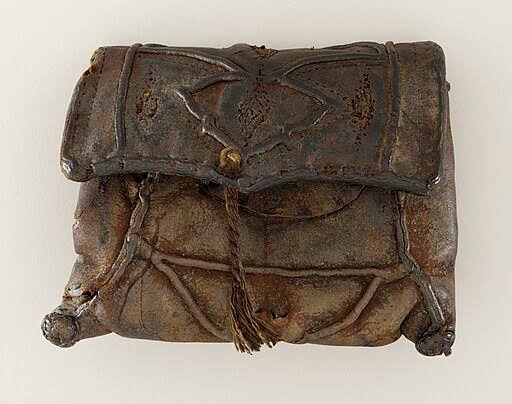
The modern handbag evolved from functional pouches originally used by men.
Before pockets were sewn into garments, men carried small hand-held bags to store coins and personal items.
In the early 1900s, as travel increased with the expansion of railways, men commonly carried small cases and hand luggage.
Fashion designers later adapted these masculine bags for women, adding compartments, clasps, and more decorative elements.
As women’s fashion became more elaborate and often lacked practical pockets, handbags became essential accessories.
Over time, the handbag transitioned almost entirely into women’s fashion, even though its origins were utilitarian and male-centered.
Thongs
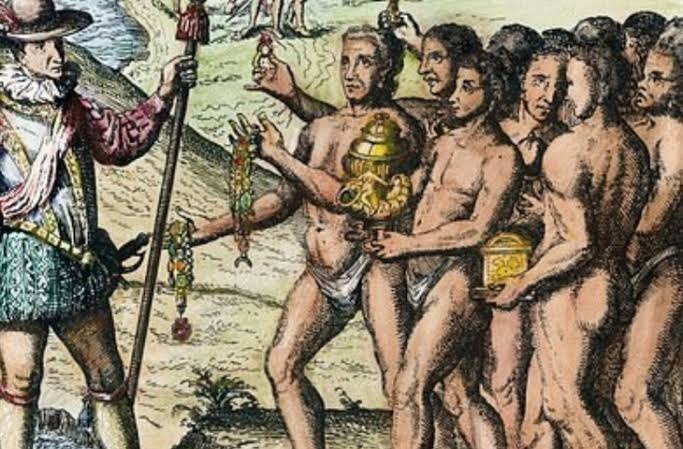
This is quite shocking, if you ask me, because how was it possible that men from ancient civilization wore things?
While today thongs are marketed primarily as women’s underwear or swimwear, their origins are ancient and male.
Forms of thong-like garments date back as far as 42,000 years ago in parts of Africa. Variations appeared in ancient Egypt, Greece, and Crete around 1570 BC, and in Japan by 250 AD.
In many early societies, thong-style garments were practical clothing worn by men for labor, sports, and daily life.
They provided minimal coverage while allowing mobility in hot climates.
The modern reinterpretation as a predominantly feminine garment is relatively recent and largely influenced by Western fashion marketing in the 20th century.
Stockings
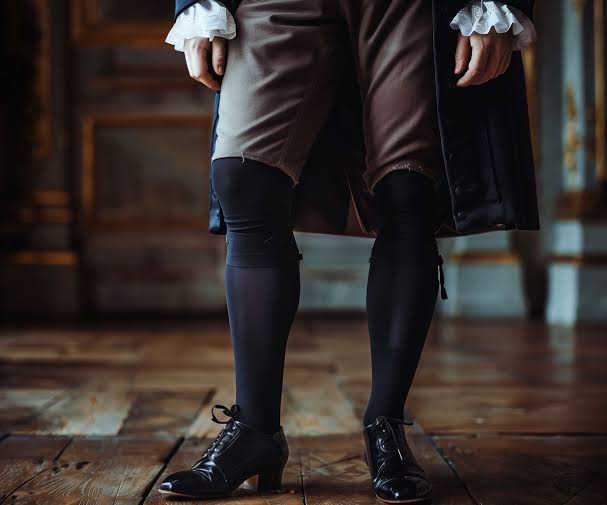
Stockings, tights, and hosiery were once staples of men’s fashion.
Since at least the ninth century, men wore stockings, often brightly colored, as part of aristocratic attire.
In medieval Europe, fitted hosiery was paired with breeches to emphasize leg shape, which was considered a sign of masculinity and strength.
Higher social classes wore white or colorful stockings, while lower classes typically wore darker shades.
Hosiery symbolized refinement and rank.
As men’s fashion evolved toward trousers during the 18th and 19th centuries, stockings gradually shifted into women’s wardrobes, where they remain common today.
Makeup and Cosmetics
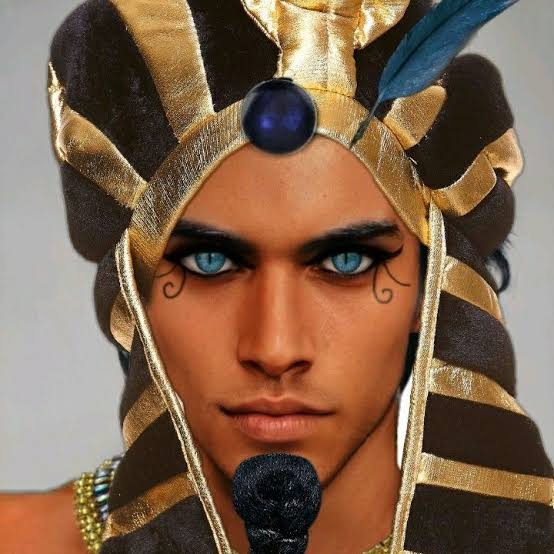
Makeup is often perceived as inherently feminine, but historically, it was widely used by both men and women.
Ancient Egyptian pharaohs and noblemen wore kohl eyeliner to signify power and divine protection.
In Rome, men applied red pigments to their cheeks and lips as markers of status.
Even in 18th-century Europe, aristocratic men powdered their faces and wore elaborate wigs. Cosmetics were symbols of wealth and social position.
It was not until the 19th century, particularly during the Victorian era, that makeup became increasingly associated with women, while men adopted a more restrained, “natural” appearance aligned with industrial-era ideals of masculinity.
Fashion Is Not Fixed, It Evolves
So what does this tell us?
It shows that fashion is deeply cultural. Items we label as feminine today were once symbols of male dominance, power, and privilege.
Also, gendered clothing is not biologically predetermined. It is socially constructed and historically fluid.
What seems unconventional today may once have been ordinary.
The transition of heels, handbags, thongs, and stockings from male to female wardrobes reflects broader societal shifts, from warfare and aristocracy to industrialization and modern marketing.
Who would have imagined that heels were once military gear? Or that stockings once emphasized masculine strength?
Fashion is less about fixed identity and more about shifting meaning.
Perhaps the real lesson is this: style evolves, but memory fades.
What we consider “normal” is often just history rewritten.