5 African Countries That Receive Fuel From Dangote Refinery
Nigeria is emerging as Africa’s fuel hub as Dangote Refinery exports millions of litres across the continent. This is a list of African countries that receive fuel from Dangote's refinery.
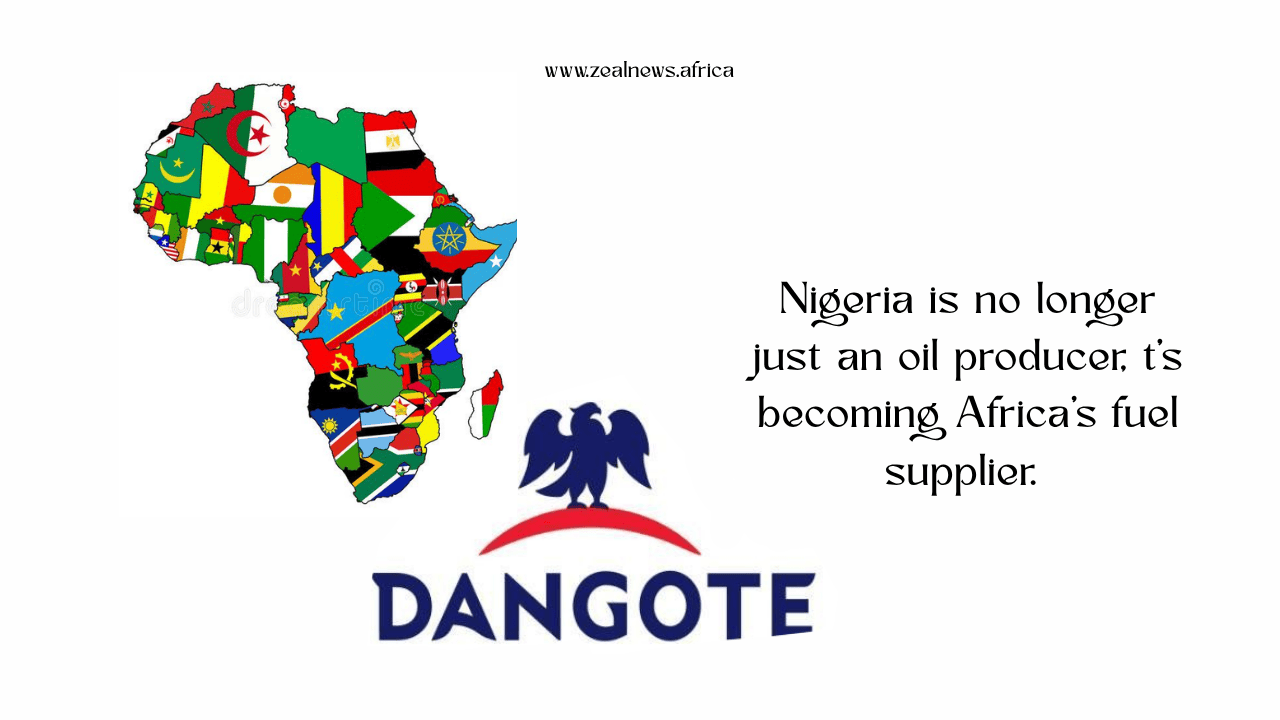
Nigeria is no longer just an oil producer. It's becoming Africa's fuel supplier.
For decades, African countries have imported refined petroleum products from Europe and the Middle East, often at high cost, low quality, and with long delivery times. That's starting to change.
Since hitting full production capacity in February 2026, the Dangote Petroleum Refinery in Lagos has exported 456,000 tonnes of refined petroleum products across five African markets through 12 cargo shipments, marking its first major petrol export push since reaching full capacity.
That volume is equivalent to roughly 608 million litres of fuel. And the timing couldn't be more significant.
The Iran conflict has disrupted traditional fuel supply routes, squeezing the cheap imports that long dominated West African markets and pushing more countries to look for alternatives closer to home.
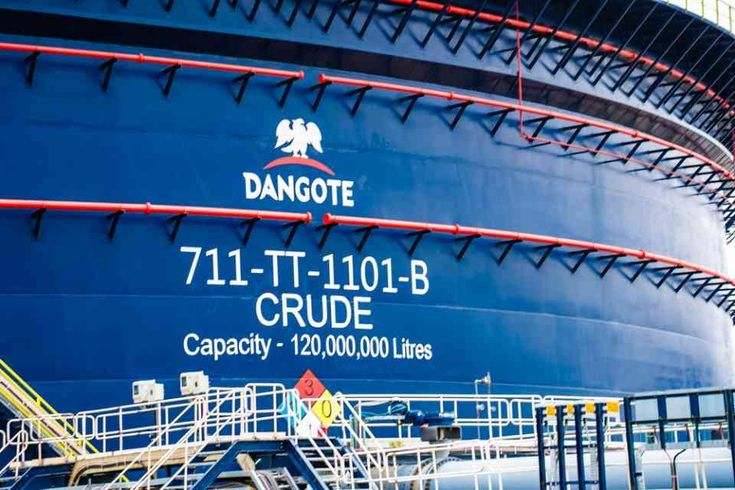
Here are the five countries currently receiving fuel from Dangote, and what it means for each of them.
1. Ghana
Ghana has been one of the most eager recipients of Dangote's fuel. The country has formally reached out to the refinery as disruptions linked to the Iran war continue to tighten global fuel supply chains.

Ghana has historically depended on imported refined products, and with global supply under pressure, a reliable regional supplier just next door is a significant advantage.
The country is also one of West Africa's larger fuel consumers, making consistent supply critical to keeping transport costs and inflation in check.
2. Côte d'Ivoire
Côte d'Ivoire is one of West Africa's most active economies and a major fuel importer.
For decades, West Africa has depended heavily on fuel imported from Europe and the Middle East, often of lower quality and subject to logistical delays.

Receiving Euro V-grade fuel, a higher standard than what many of these markets previously had access to, from a supplier just along the coast is a meaningful upgrade in both quality and supply reliability.
3. Cameroon
Cameroon sits at the crossroads of West and Central Africa, making it a strategically important market for Dangote's regional ambitions.
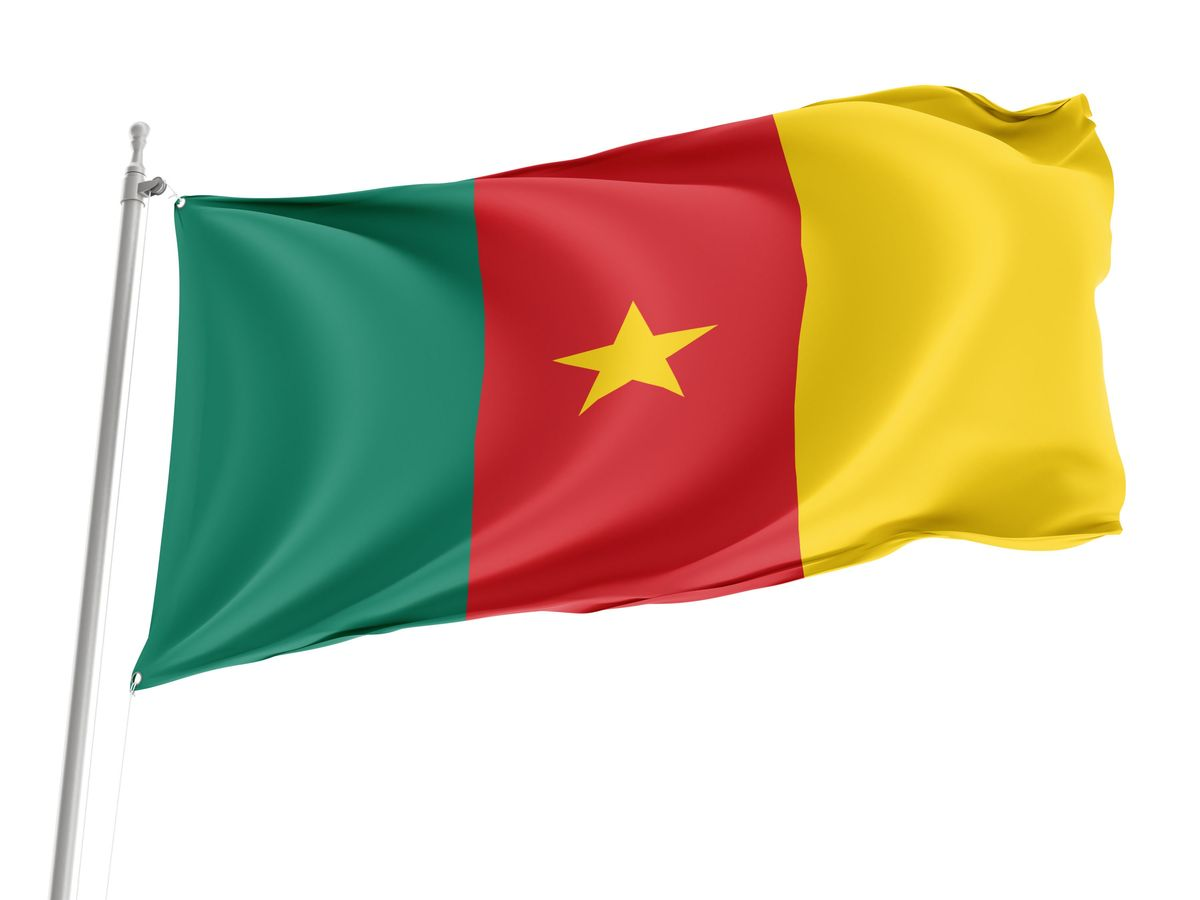
The refinery has stated its goal is to enhance energy security across West, East, and Central Africa, and Cameroon fits squarely into that Central African expansion plan.
The country has its own refinery, but domestic output has long fallen short of local demand.
4. Togo
Togo is a smaller market but an important one, particularly as a transit hub for landlocked countries in the Sahel.
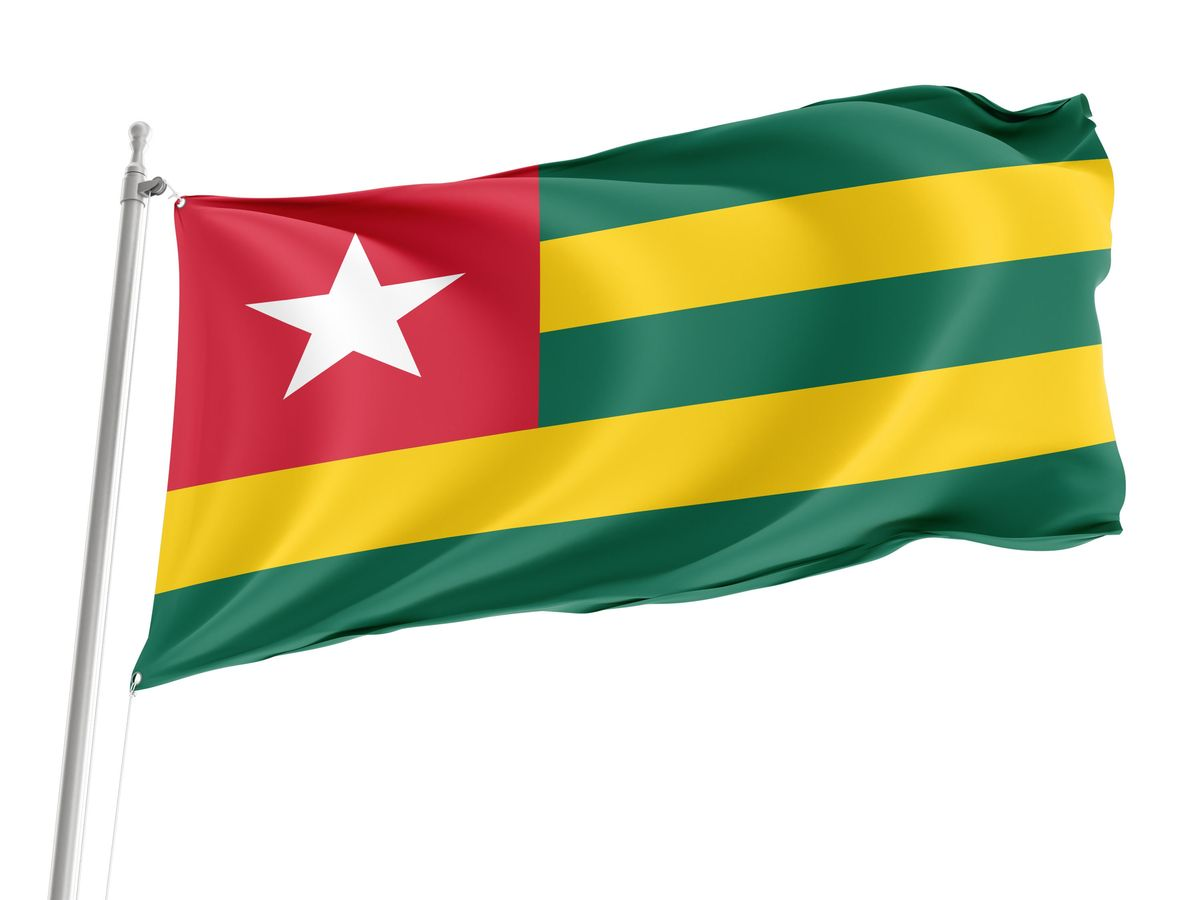
Fuel that arrives in Togo's port city of Lomé doesn't just stay in Togo; it moves inland to Burkina Faso, Mali, and Niger.
Getting consistent, quality fuel into Lomé means Dangote's reach could extend well beyond Togo's borders without a single additional cargo being listed.
5. Tanzania
Tanzania's inclusion in these shipments is arguably the most significant of the five.About 75% of refined fuel imported by countries in East and Southern Africa comes from the Middle East.


With that supply chain under pressure, East African nations are scrambling for alternatives. Tanzania is the furthest destination in this export push, showing that the refinery's ambitions stretch well beyond West Africa.
What You Should Know
The Dangote facility is Africa's largest refinery, and plans are reportedly underway to nearly double its capacity in the coming year.
Nigeria's total exports of clean petroleum products, which include petrol, diesel, kerosene, and jet fuel, have climbed to around 214,000 barrels per day in March 2026, up from an average of 100,000 barrels per day in February.
Shipments to other African countries specifically have more than doubled, rising from 38,000 to roughly 90,000 barrels per day.
The refinery has also received demand from outside Africa, particularly for jet fuel, a sign that its reach could eventually go global.
For now, Nigeria is quietly rewriting its role in Africa's energy story, shifting from a country that exported crude oil but imported petrol, to one that is becoming the continent's refining engine.