10 Things You’re Eating That Are Quietly Affecting Your Hormones
Read about ten everyday foods that might be quietly disrupting hormonal balance, affecting mood, sleep, energy, weight, and overall health of yourself or that of your loved one

Hormones shape almost everything about how we feel, our mood, sleep, energy, appetite, weight, stress levels, and even how clearly we think. Yet most of us live every day unaware of how the foods we consume are quietly influencing these delicate chemical messengers. Hormonal imbalance does not always arrive dramatically; it often shows up gradually through persistent tiredness, unexplained mood changes, cravings, breakouts, disrupted sleep, or cycles that suddenly go out of rhythm. What we eat plays a far bigger role in this than we tend to admit.
Sugar
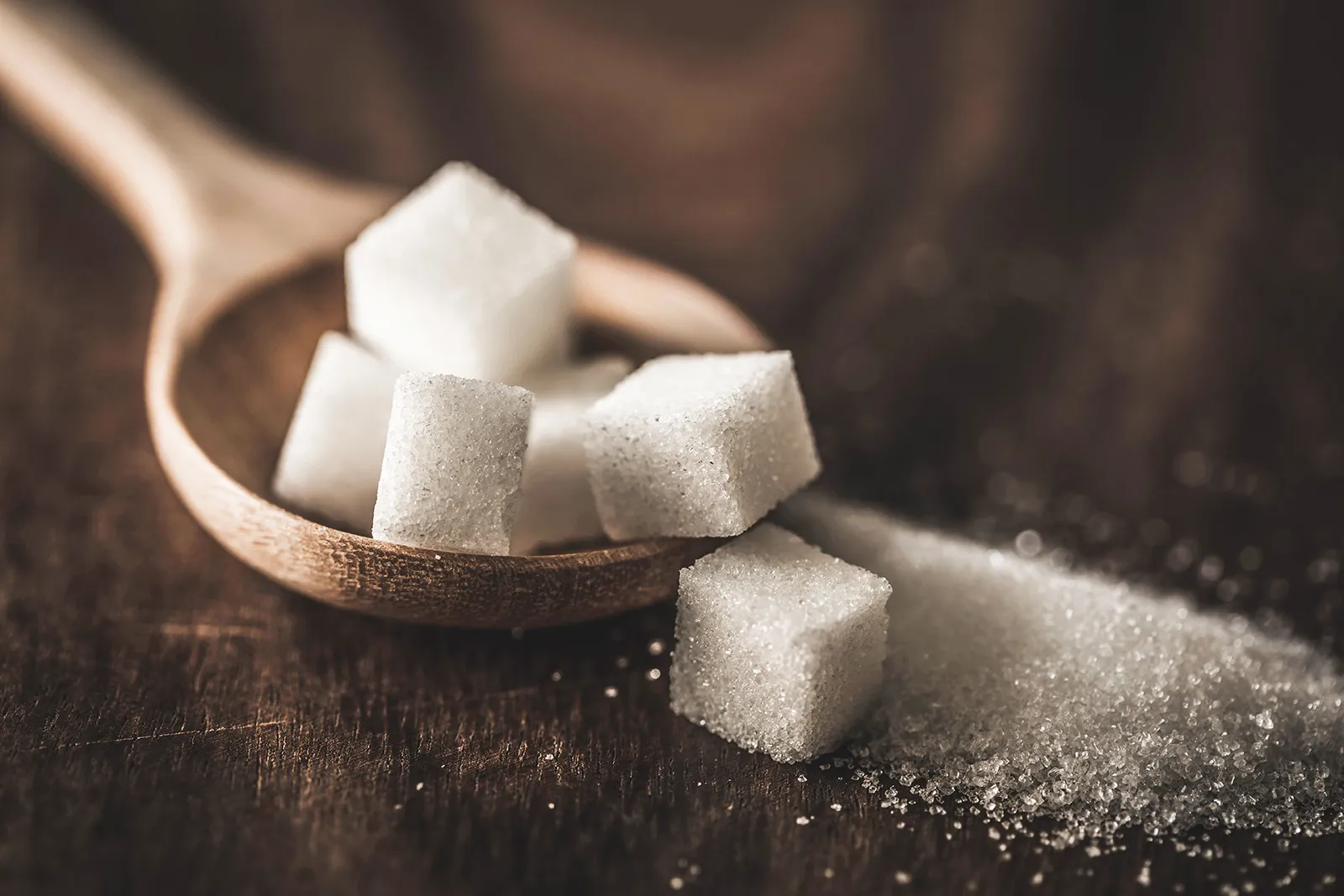
One of the biggest contributors to hormonal disturbance is sugar. When consumed in high amounts, it forces the body to produce more insulin than necessary, creating a chain reaction that affects other major hormones like estrogen, testosterone and cortisol. What feels like “stress,” “low energy,” or “emotional eating” is often the body struggling to stabilize itself after constant sugar spikes.
Processed foods
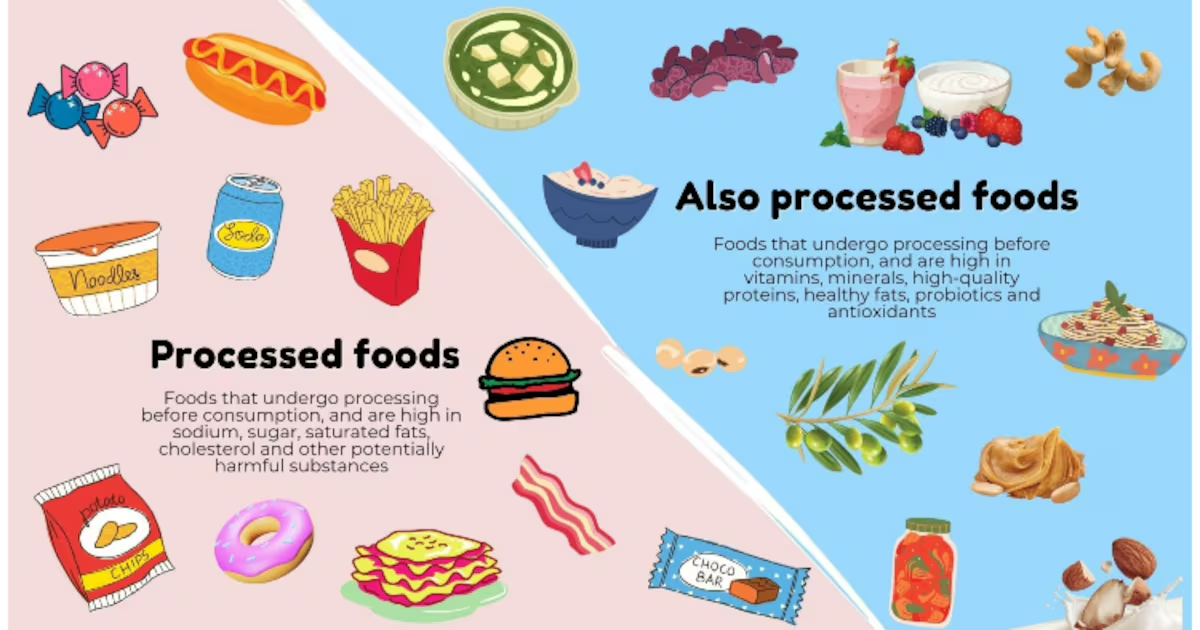
Processed foods also create a similar problem. They contain food or chemical additives, artificial flavours, emulsifiers, and preservatives that interfere with natural hormone signalling. Your body is designed for real food; when it receives synthetic inputs, the endocrine system becomes confused. This is why eating highly processed snacks may leave you feeling full but oddly unsatisfied, the body cannot properly interpret what it just consumed.
Vegetable oils

Vegetable oils are another quiet disruptor. Oils such as soybean, sunflower, canola, and corn oil are extremely high in omega-6 fatty acids, which trigger inflammation when consumed excessively. Hormones are particularly sensitive to inflammation, and it affects everything from thyroid function to estrogen balance. Much of the hormonal discomfort people deal with stems not from a major disease but from constant, low-grade inflammation fuelled by everyday meals cooked in these oils.
Plastics

Plastics also make their way into the food we eat. Heating or storing food in plastic containers exposes the body to chemicals like BPA and phthalates. These substances mimic estrogen once inside the bloodstream, leading to irregular cycles, weight gain, fertility challenges, and lower testosterone in men. Many people focus on diet but forget that the packaging itself can be part of the hormonal struggle.
Non-organic meat
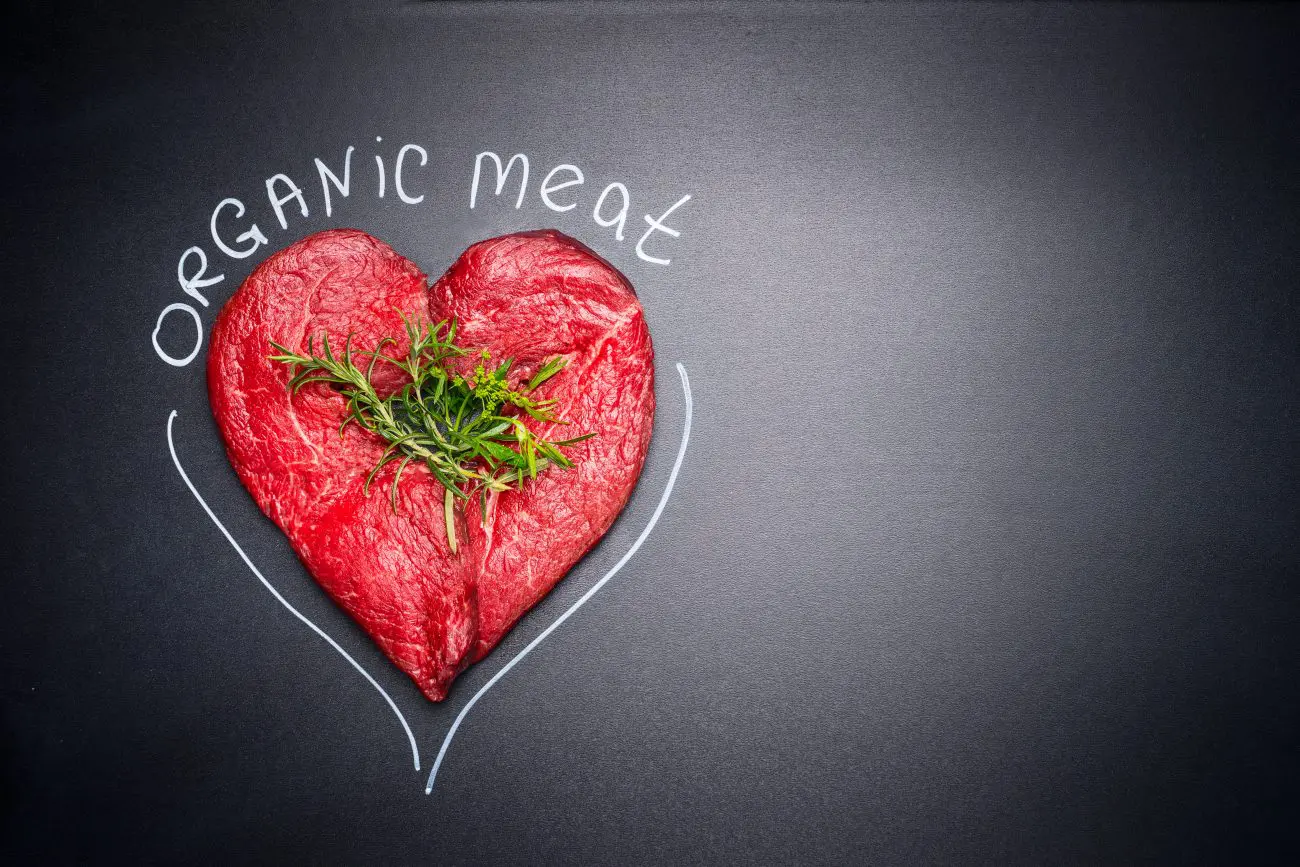
Non-organic meat contributes to hormonal imbalance for a different reason. Many commercially raised animals are treated with hormones and given antibiotic-heavy feed to speed up growth. When you eat such meat, small traces of those substances enter your own system. This can shift estrogen and testosterone levels subtly over time, especially in individuals who already have hormone-sensitive conditions. There are still cases of genetically modified meats that have been faced with ethical concerns.
RECOMMENDED READ: Laboratory-Grown Meat: The Future of Food or a Threat to Health and Tradition?
Caffeine
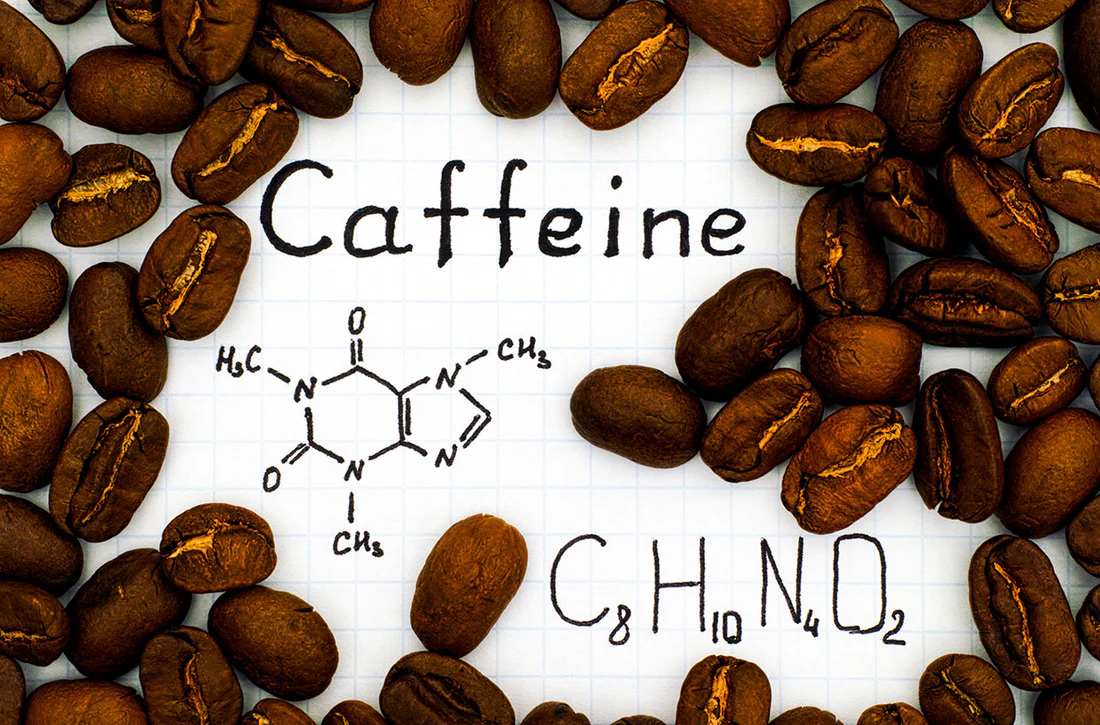
Caffeine, though widely loved, also affects hormonal health when consumed excessively. Too much of it elevates cortisol, the stress hormone, and when cortisol stays high for prolonged periods, it disrupts reproductive hormones, thyroid hormones, and even the brain’s sleep signals. You may think you’re just tired because you “work too much,” but in reality, your daily caffeine intake may be overstimulating your stress response.
Alcohol

Alcohol creates similar disruptions. It suppresses testosterone production, weakens growth hormone release, and inflames the liver, an essential organ for metabolizing hormones. Because it interferes with sleep quality, the hormonal effects linger long after the drinking ends. For many people, irregular moods, unexplained irritability, or persistent low energy trace back to hormonal shifts triggered by alcohol.
Dairy
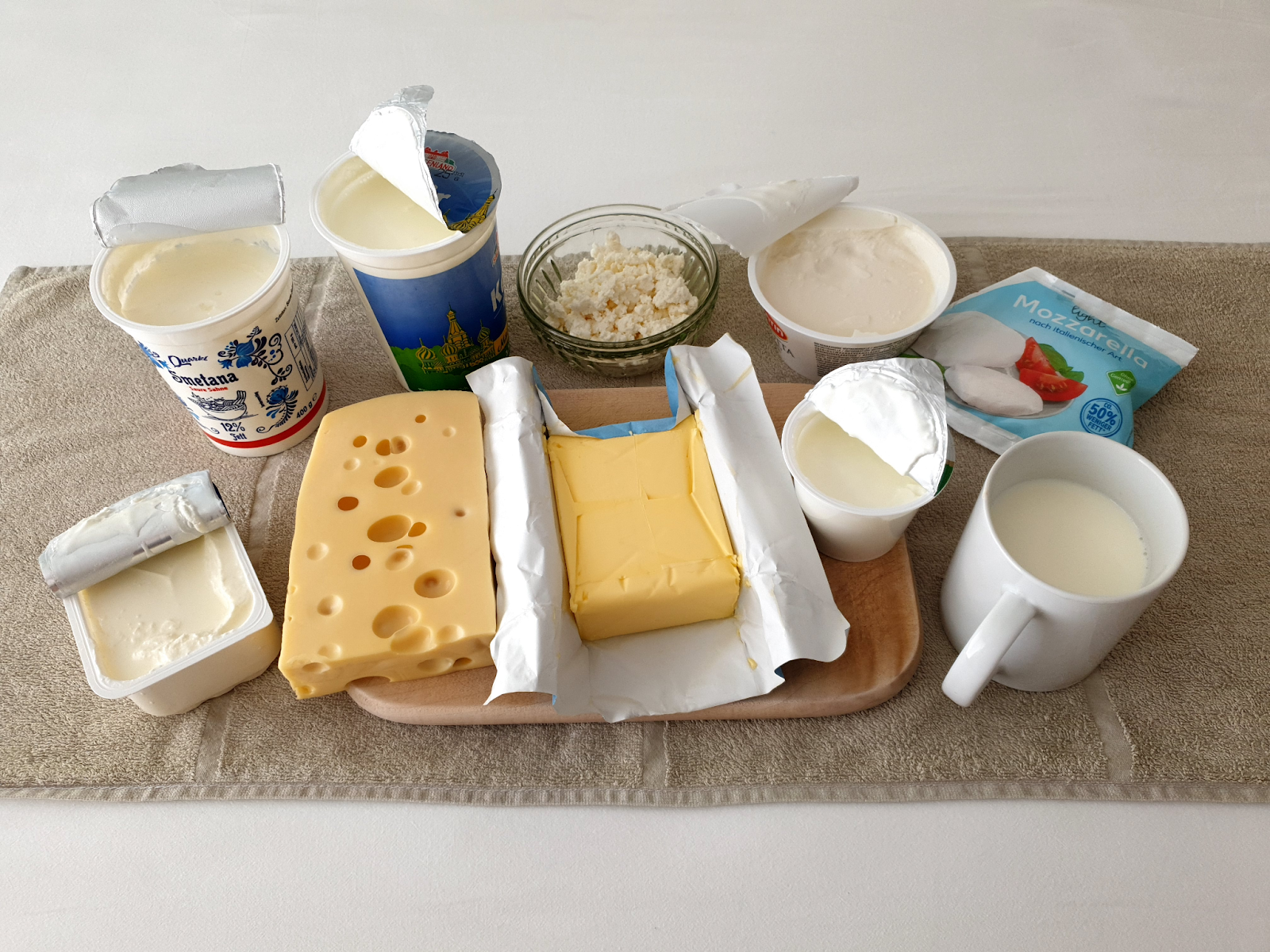
While it is not commonly talked about, dairy affects people differently, but for those who are sensitive, it increases inflammation and stimulates insulin-like growth factor (IGF-1). This can worsen acne, bloating, and mood swings. Some dairy also carries natural hormones from the animal, which interact with the human endocrine system. Those who notice clearer skin or improved digestion after reducing dairy are often responding to this hormonal connection.
Soy products
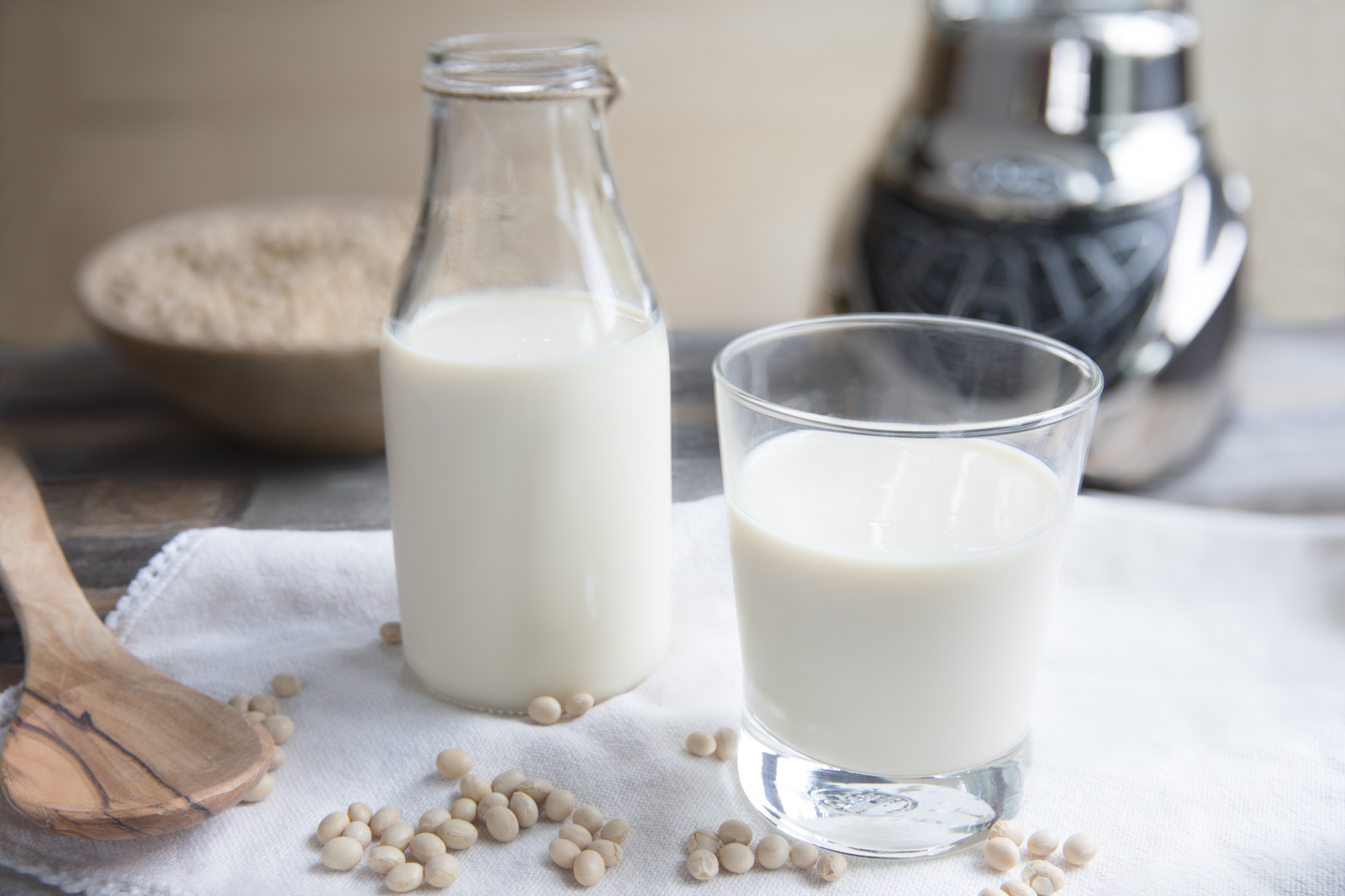

Soy products introduce another layer of complexity. Soy contains phytoestrogens, natural compounds that behave like estrogen in the body. Although not harmful in moderation, they may aggravate conditions like fibroids, PCOS, infertility issues, or low testosterone in individuals who are particularly sensitive. Soy is not inherently dangerous; it simply has a notable hormonal effect that many people overlook.
Artificial sweeteners
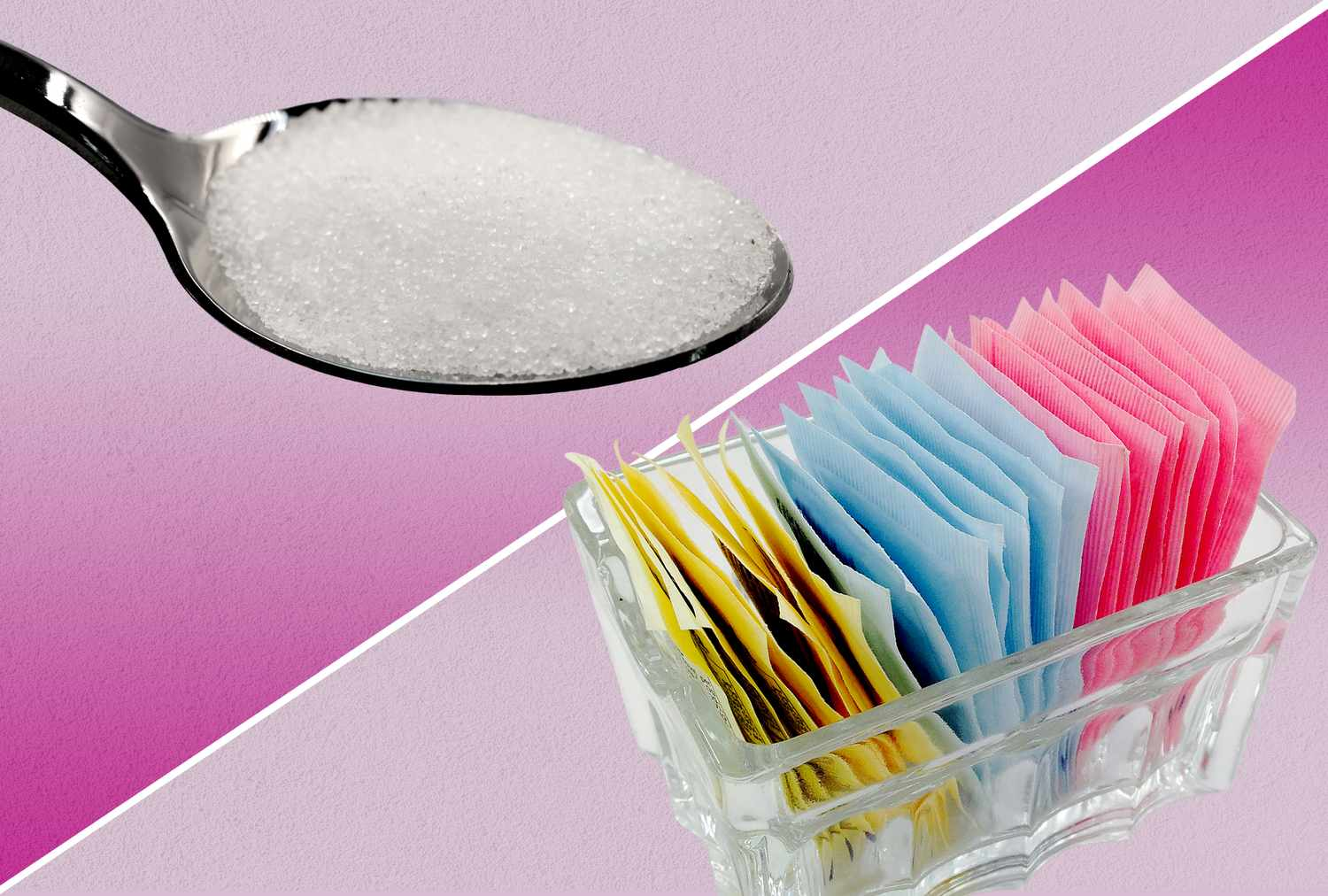
Artificial sweeteners complete the list of common disruptors. They contain no calories, but they confuse the body’s hormonal response to sweetness. The brain anticipates sugar that never arrives, which leads to stronger cravings, increased appetite, and changes in insulin regulation. This is why people who avoid sugar but rely heavily on sweeteners may still struggle with hormonal symptoms.
In summary, hormonal balance is not just a medical issue; it is a lifestyle equation shaped by ordinary daily choices. The foods we eat, the chemicals they contain, and even their packaging all influence the silent hormonal systems that govern how we feel. The body is always communicating, through fatigue, cravings, mood shifts, or changes in sleep. Paying attention to these signals and adjusting the foods that provoke them can create noticeable improvements in physical and emotional well-being. Hormones respond consistently to what we consume, and the more we understand this, the more control we gain over our health.