Zimbabwe's Mnangagwa Sparks Fury: AU Challenges Controversial Bid to Extend Presidency to 2030!

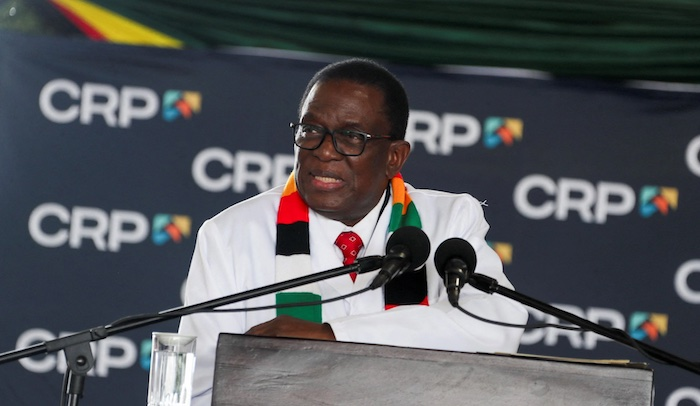
Zimbabwe is at a critical juncture, facing widespread debate and controversy over Constitutional Amendment Bill No. 3 (CAB3). This proposed legislation seeks to extend President Emmerson Mnangagwa’s presidency by two years beyond the current 2028 constitutional limit, potentially allowing him to claim eligibility for a third term and, according to critics, remain president for life. Alongside this, the bill proposes to extend the terms of Members of Parliament and local councillors to 2030, and includes far-reaching constitutional reforms.
A central and highly contentious aspect of CAB3 is the proposed abolition of direct presidential elections. If adopted, Zimbabwe’s long-standing “one-man, one-vote” system could be replaced by a parliamentary vote to elect the president. Critics, including investigative journalist Hopewell Chin’ono, argue that these changes are driven purely by Mnangagwa’s desire to consolidate power, asserting that “This whole thing is driven by his desire to die in power.” Opposition politician Tendai Biti has starkly compared the situation to “just repression,” drawing parallels with the 37-year rule of former president Robert Mugabe.
Public consultations on the amendments have been fraught with chaos, violence, and intimidation. Reports indicate disruptions at outreach meetings, leading opposition figures like Jameson Timba, Lovemore Madhuku, Tendai Biti, and Munyaradzi Gwisai to instruct their supporters to withdraw from the process due to alleged exclusion of dissenting voices. Incidents during these proceedings include the assault and cellphone theft of human rights lawyer Doug Coltart, and journalists reportedly being forced to delete footage at events like the chaotic City Sports Centre meeting in Harare.
The African Commission on Human and Peoples’ Rights (ACHPR), following a fact-finding mission, has raised significant concerns over the transparency and inclusivity of the constitutional review. While acknowledging Zimbabwe’s sovereign right to constitutional reform, the ACHPR urged greater inclusivity to restore public confidence, recommending broader participation from civil society and other stakeholders. The commission also warned of potential “rollback” risks, specifically mentioning the possible dissolution of the Zimbabwe Gender Commission, which could undermine gender equality protections. Furthermore, the ACHPR highlighted existing gaps between Zimbabwe’s 2013 Constitution and its implementation, citing issues such as child labour, ongoing child marriages, a low age of criminal responsibility, and prison overcrowding.
Internally, the ruling Zanu-PF party is also grappling with the implications of these changes. Party insiders reveal that provincial chairpersons have approached Zanu-PF benefactor Kudakwashe Tagwirei, requesting his intervention to persuade Mnangagwa to suspend an upcoming party restructuring exercise. The chairpersons seek to extend their own terms to 2030 or even 2032, aligning with the proposed extensions for the executive and legislature, which would allow them to play a key role in future leadership succession battles. These internal tensions and factional disputes, linked to succession battles involving Vice President Constantino Chiwenga, reflect a complex power dynamic within Zanu-PF, whose current structures largely trace back to the 2014 congress under Robert Mugabe.
Mnangagwa, often nicknamed “the Crocodile” for his perceived guile and ruthlessness, came to power following the 2017 military-assisted transition that ousted Mugabe. While he initially pledged to open Zimbabwe for business and repair international relations, his honeymoon period was short-lived. His administration has since been surrounded by allegations of corruption and human rights abuses, leading to sanctions from the US Treasury in 2024. Despite an improving macroeconomic outlook, fueled by remittances and high gold prices, ordinary Zimbabweans continue to struggle economically.
The constitutional court is now tasked with deciding whether a national referendum on the proposed changes is necessary. Political observers suggest that Zanu-PF may find it easier to elect the president through a “pliant parliament” rather than through a “fractious electorate.” These proposed constitutional and party-level changes have sparked intense debate, signaling a potential significant reshaping of Zimbabwe’s electoral system and overall governance framework.
You may also like...
Africa’s Minimum Wage Rankings 2026: Who Pays More and Who Really Benefits
Africa’s highest minimum wages in 2026 look impressive, until you break down what people can actually afford. This list ...
Nigeria's Oil Palm Industry Is Waking Up — and the Stakes Could Not Be Higher
Nigeria has validated a sweeping Oil Palm Development Strategy targeting 9–10 million metric tonnes of production by 205...
Australia Raises Minimum Salary for Nigerians And Other Foreign Workers To ₦72.5m
The minimum salary for Australia's employer-sponsored visas just went up. For mid-level workers it is a tighter squeeze....
NDPC Probes Remita And Sterling Bank Over Alleged Data Breach
The Nigeria Data Protection Commission has launched an investigation into an alleged data breach involving Remita and St...
Balancing Technology and Childhood: How Modern Parents Navigate Screen Time in a Digital Age
Screens are everywhere, and kids are using them more than ever. Learn how parents can balance technology, protect their ...
Balancing Technology and Childhood: How Modern Parents Navigate Screen Time in a Digital Age
Screens are everywhere, and kids are using them more than ever. Learn how parents can balance technology, protect their ...
Free Will Might Be an Illusion, And You're Not as in Control as You Think
Free will may not be as real as we think. From Benjamin Libet to modern neuroscience, research suggests your brain makes...
10 Surprising Things That Pass Through the Strait of Hormuz (That Have Nothing to Do With Oil)
When the Strait of Hormuz is disrupted, it’s not just oil at risk. Here are 10 critical global lifelines that pass throu...