Zimbabwe Faces Nationwide Shutdown Calls After Constitutional Changes Extend Mnangagwa's Rule
Zimbabwe is bracing for a nationwide shutdown after President Emmerson Mnangagwa signed Constitutional Amendment No. 3 into law, extending presidential terms and postponing the 2028 election.
Zimbabwe is bracing for a planned nationwide shutdown on Friday, July 31, following the enactment of Constitutional Amendment No. 3, a law that has triggered widespread political debate and criticism across the country.
President Emmerson Mnangagwa signed the constitutional amendment into law on 7 July 2026, introducing sweeping changes that extend presidential and parliamentary terms from five years to seven years, postpone the next presidential election from 2028 to 2030, and replace direct presidential elections with a vote by Parliament. The legislation was published in the Government Gazette as Act No. 6 of 2026.
The constitutional changes have drawn criticism from opposition parties, civil society organisations, churches, war veterans and human rights groups, many of whom argue that amendments affecting presidential tenure and electoral processes should have been subjected to a national referendum.
According to Human Rights Watch, critics say the reforms weaken democratic accountability by extending the president's tenure and ending direct presidential elections. Zimbabwe's government has defended the amendments, saying they are constitutional reforms approved by Parliament and intended to improve governance.
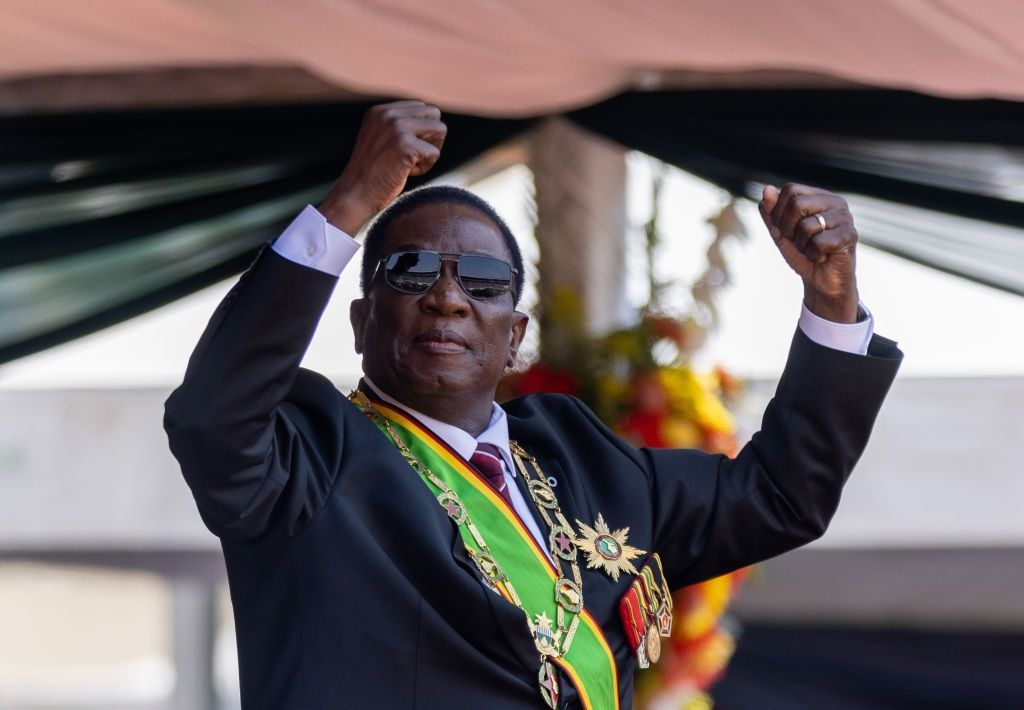
Calls for a nationwide shutdown have emerged as opposition groups and activists protest the constitutional changes. While Home Affairs Minister Kazembe Kazembe has dismissed the planned action and assured citizens that peace and public order will be maintained, local reports indicate that security agencies have increased their presence ahead of the demonstrations.
The developments come less than a decade after Mnangagwa came to power following the removal of former President Robert Mugabe in 2017. At the time, many Zimbabweans hoped the political transition would usher in democratic reforms and economic recovery.
Zimbabwe continues to face significant economic challenges, including high unemployment, inflationary pressures and the migration of skilled workers to neighbouring countries and overseas.
The constitutional changes have also attracted international attention. The Associated Press reported that the amendments have prompted legal challenges and renewed concerns among democracy advocates about governance and constitutionalism in Zimbabwe.
The planned shutdown is expected to test both the government's response and the strength of public opposition to the reforms. Political observers across Africa are closely monitoring developments, viewing Zimbabwe as an important case study in the ongoing debate over constitutional amendments, presidential term limits and democratic governance on the continent.