ZANU-PF TURMOIL: Mnangagwa Cancels Politburo Meeting Amidst Fierce Internal Divisions!
Internal tensions have erupted within Zimbabwe's ZANU-PF party following the last-minute cancellation of a politburo meeting intended to discuss sweeping constitutional amendments. The dispute involves key figures like President Mnangagwa, Vice-President Chiwenga, and Speaker Jacob Mudenda, with accusations of a "procedural coup" and resistance to proposals like the "Nyerere Way" for leadership selection. The standoff threatens to dominate the party's upcoming annual conference.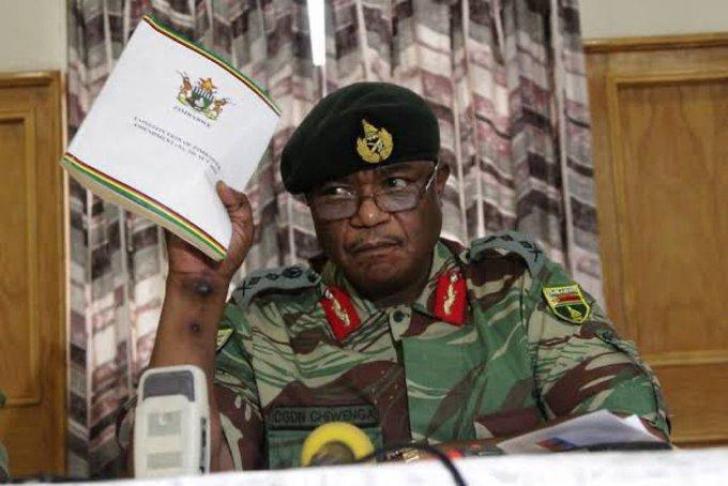
Internal tensions within Zimbabwe's ruling ZANU-PF party have escalated following the last-minute cancellation of an extraordinary politburo meeting, initially convened to discuss far-reaching amendments to the party's constitution. The sudden postponement occurred as First Lady Auxillia Mnangagwa and Vice-President Constantino Chiwenga were already present at the party headquarters, underscoring the gravity of the internal dispute.
A source defending the cancellation accused "opposition fringe elements" and a "Gang of Four," allegedly including ZANU-PF Secretary for Legal Affairs Ziyambi Ziyambi, of attempting a "procedural coup." These elements were accused of exploiting internal discussions to push a political narrative and portray Vice-President Chiwenga as instrumental in alleged factional maneuvers. The source claimed the group sought to introduce extensive measures without the knowledge of party First Secretary Mnangagwa or the Secretary-General, thereby bypassing established party procedures. The intervention by party leaders to postpone the meeting was characterized as an effort to prevent this "procedural coup" against President Mnangagwa, who, according to the source, was also not genuinely supported by this alleged faction concerning his 2030 agenda and Constitutional Amendment Bill No. 3 (CAB3).
The proposed amendments themselves have ignited a significant confrontation, reportedly involving Ziyambi Ziyambi, Speaker of Parliament Jacob Mudenda, and Vice-President Chiwenga. Ziyambi, who convened the meeting, asserted that the proposals aimed to align the party’s constitution with the recently amended national Constitution and were driven by resolutions from provincial structures. However, allies of Vice-President Chiwenga countered these claims, arguing that any changes to the party constitution necessitate at least three months of consultations before being presented to the central committee. They specifically accused Ziyambi of trying to bypass these crucial procedures and introduce sweeping amendments that had not been requested through proper channels.
Speaker Jacob Mudenda emerged as a vocal opponent, reportedly rushing back from parliamentary business in Tanzania for the meeting, only to receive the proposals an hour before its scheduled start. Sources indicate Mudenda was particularly incensed by a proposal to transfer some of his responsibilities to the party’s director general—a position existing in principle but not currently defined in the ZANU-PF constitution. Viewing this as a direct attempt to undermine his authority, Mudenda reportedly contacted President Mnangagwa to voice his strong concerns. Ziyambi, in turn, reportedly warned Mnangagwa about some party members intending to disrupt the meeting, describing Mudenda as having "gone rogue."
Among the most contentious proposals was a plan to separate the position of party president from that of the party’s presidential candidate, though the same individual could hold both. Dubbed the "Nyerere Way," this arrangement, promoted by Ziyambi, would allow Mnangagwa to remain party president after 2029 while provincial structures would select the candidate for the 2030 presidential election. This drew parallels to former Tanzanian president Julius Nyerere and South Africa's Thabo Mbeki. Additionally, the draft amendments declared ZANU-PF as the country’s principal political authority, obligating the president and other office bearers to ensure government policies reflect party ideology and resolutions, with disciplinary proceedings for non-compliance. Critics within the party expressed fears that such changes could weaken the sitting president's authority by exposing them to constant threats of party disciplinary action or recall.
President Mnangagwa was reportedly caught off guard by the intensity of the resistance, especially from Mudenda, whom he had considered a loyal supporter. While anticipating opposition from Chiwenga’s faction, the Speaker’s strong reaction was unexpected. The presence of Obert Mpofu, recently demoted from secretary general, who had been absent from politburo meetings due to reported illness, further contributed to the strained atmosphere.
The broader context of this dispute includes the Constitution of Zimbabwe Amendment (No. 3) Act, 2026, which was signed into law in July, extending Mnangagwa’s final term by two years to 2030. This legislation is currently facing legal challenges. Vice-President Chiwenga had openly opposed these national constitutional amendments, particularly a provision that replaces the direct popular election of the President with election by Parliament. His supporters, notably war veterans, have also joined in accusing Ziyambi of failing to adhere to proper procedures for amending the ZANU-PF constitution.
Despite the significant internal resistance and the collapse of the extraordinary politburo meeting, Ziyambi is reportedly determined to press ahead, reiterating that provincial executive committees have indeed passed resolutions advocating for the alignment of the party constitution with the amended national Constitution. The timing of this unresolved dispute, just days before ZANU-PF’s annual conference in Chinhoyi from October 12 to 17, is critical. With agendas for central committee and politburo meetings already set for the conference, the constitutional amendments, which necessitated Ziyambi’s extraordinary session, now threaten to overshadow the party’s annual gathering. Mnangagwa's next move remains uncertain as the party grapples with these profound internal divisions and unverified claims of factional maneuvering.