Zambian Cyber Attack Foiled: 79 Suspects Busted for Targeting Government Systems
Zambian authorities have arrested individuals involved in cybercrimes targeting government systems, including the Electoral Commission. Digital forensic investigations revealed their unauthorized and deceptive operations, intended to undermine national security and compromise critical infrastructure. The arrests underscore the country's commitment to combating cyber threats and upholding the Cyber Crimes Act.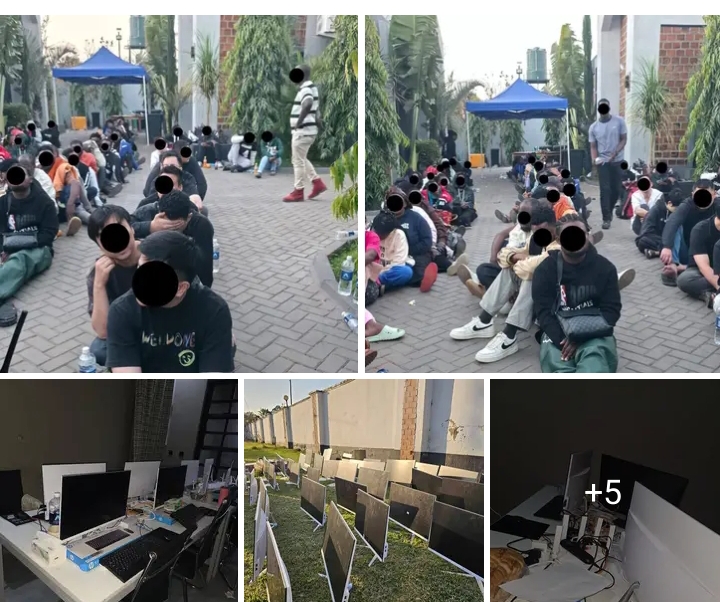
The Electoral Commission of Zambia (ECZ) and other government systems were recently identified as targets in a series of cybercrime activities. Authorities successfully apprehended individuals implicated in these operations on Sunday, following a joint State security operation conducted by law enforcement agencies at Evana Estates in New Kasama, Lusaka. Allan Tamba, the public relations officer for the Drug Enforcement Commission (DEC), announced these apprehensions, stating that specialized digital forensic investigations initiated after the arrests yielded new evidence concerning the suspects' activities.
Tamba clarified that the suspects had no legal authority to operate a computer laboratory in Zambia. Their activities were carried out secretly and deceptively, with the explicit intent to undermine national security. He underscored the critical importance of government computer systems, which contain and process information essential for the functioning of the State. Unauthorized access, alteration, destruction, disclosure, or disruption of these systems could lead to the exposure of sensitive information, interruption of essential public services, and expose citizens to identity-related crimes, potentially resulting in significant financial and reputational losses. Such cyber-attacks could also critically impact national infrastructure.
The Commission reiterated that the Cyber Crimes Act explicitly prohibits unauthorized access to computer systems and data. It states that anyone who intentionally and without lawful authority, or in excess of their authority, infringes a security measure or accesses or monitors another person’s computer system commits an offense. Tamba affirmed the Commission's unwavering stance, stating, “The Commission will not tolerate the use of digital technologies to threaten national security, compromise Government systems, steal information, disrupt essential services or facilitate other criminal activities.”
Despite the severe nature of the allegations, Tamba assured that all 79 suspects would be handled in strict accordance with the Constitution and laws of Zambia. He emphasized that their rights would be fully respected throughout the investigative and judicial processes. Furthermore, Tamba urged members of the public to utilize digital technologies responsibly and to refrain from any attempts to gain unauthorized access to computer systems, websites, databases, networks, or electronic accounts. This initiative was reported by Kalemba on August 25, 2026.