You Take Paracetamol for Everything, But Do You Know What It Is Taking From You?
Paracetamol is in every bag, every drawer, and every pharmacy in Nigeria. But the drug most people take without thinking is quietly damaging the one organ that cannot announce its pain, your liver. Here is what you need to know before you reach for the next strip.
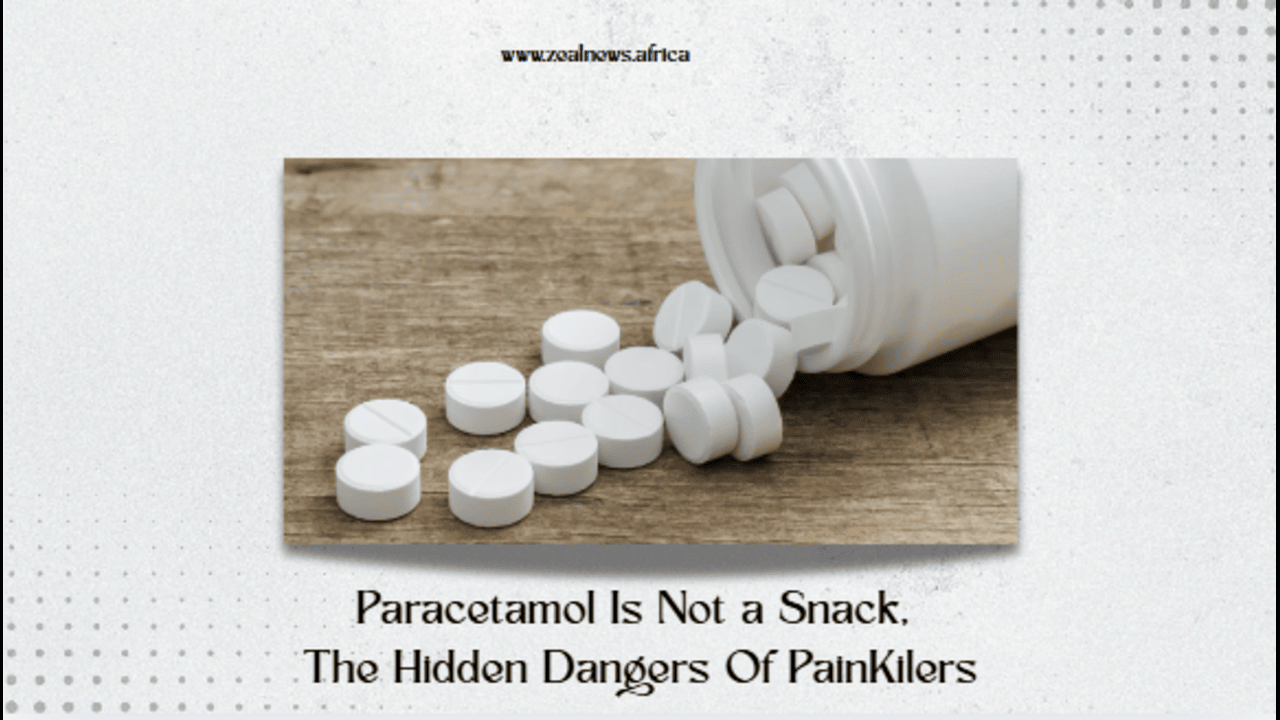
There is a pharmacy or mini chemist dispensing medicated drugs in every neighbourhood. For many individuals there is always paracetamol in their bag as they go about their daily activity.
And there is a logic that has quietly embedded itself into how Nigerians and most of the world deal with physical discomfort: something hurts, you take a tablet, it stops hurting, you move on.
Nobody taught you this formally, you just learned it by watching and it became part and parcel of daily living.
This is seen with a parent reaching into a drawer for a strip of white tablets, when their child complains about headache.
A colleague offering a medicine across a desk to their coworker. A friend who never asked what else you were taking before dropping two tablets into your palm.
The pattern has always been the same, paracetamol is harmless, available, and the reasonable first response to pain and body discomfort.
That message is not entirely wrong. But it is dangerously incomplete.
The Culture of Self-Medication and the Drugs We Take Without Thinking

Image credit: Redcare HMO
Self-medication is not a fringe behaviour. It is the default healthcare system for most Nigerians.
When something hurts, you do not book an appointment. You walk to the chemist, describe the symptom in two sentences, and leave with a packet of something.
No blood test, no diagnosis or history of medical condition taken. And there is no conversation about what else is already in your system.
In this ecosystem, painkillers and paracetamol specifically, have become the most casually consumed drugs on earth.
Global consumption of paracetamol runs into billions of tablets annually. In Nigeria, it sits behind only antimalarials as the most widely purchased over-the-counter medication.
It is taken for headaches, backaches, toothaches, period pain, fever, joint pain, and increasingly, for the kind of diffuse body ache that is not really a medical condition at all, it is just the physical language of a body that is tired, overworked, and under-slept.
This is where the problem starts because paracetamol works just well enough to paper over the real question: why does your body hurt in the first place?
When the Problem Is Not the Pain, It Is Everything Around It
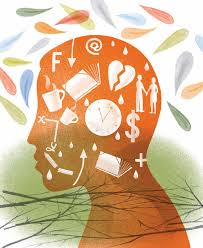
A throbbing head after a twelve-hour workday is not a paracetamol deficiency. A stiff back after hours at a desk is not a painkiller emergency.
Muscle ache after poor sleep, tension across the shoulders after a difficult week, the general heaviness that settles into the body when stress has been compounding for months, none of these are signals that your body needs a drug.
They are signals that your body needs rest, water, movement, and sometimes, simply sleep. The danger of reaching immediately for paracetamol every time this kind of discomfort appears is twofold.
The first thing is that it trains you to suppress the signal rather than address its source. The headache comes back tomorrow because the dehydration, the tension, or the exhaustion that caused it was never actually resolved.

Also, it begins a cycle in which your body builds tolerance to the drug, requiring more of it to achieve the same relief, taking it more frequently, and eventually normalising a daily intake that crosses into dangerous territory without ever feeling like it has.
What Paracetamol Is Actually Doing to Your Liver
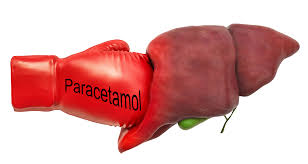
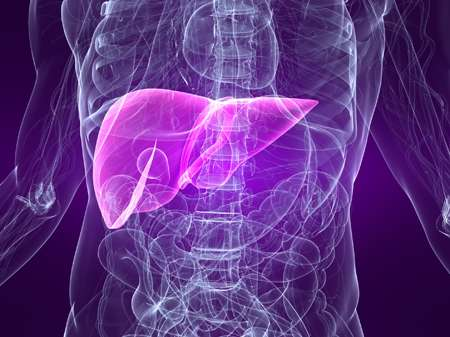
Paracetamol is processed almost entirely by the liver. Under normal circumstances, at recommended doses, the liver handles it efficiently.
The problem begins when those doses creep upward, which they do, quietly, in ways most people never track.
You take two tablets for a headache in the morning. You take two more in the afternoon because the headache returned. You take a cold medication at night that contains paracetamol without realising it.
You take it with dinner and paracetamol places compounded strain on liver enzymes. None of these individual decisions feels reckless. But the cumulative intake usually crosses a threshold that your liver is not designed to handle repeatedly.
When paracetamol is metabolised in excess, it produces a toxic byproduct called NAPQI. In normal doses, the liver neutralises it. In excess, it overwhelms the liver's detoxification capacity and begins destroying liver cells directly.
Paracetamol overdose, which does not require dramatic quantities, just consistent excess over time, is one of the leading causes of acute liver failure globally.
In the United Kingdom, it accounts for nearly half of all liver failure cases. In the United States, it is the most common cause of acute liver failure presenting in hospitals.
The cruel irony is that liver damage from paracetamol is largely silent in its early stages. There is no obvious pain and no immediate warning.
The damage accumulates quietly while you continue reaching for the next strip.
What You Should Actually Do Instead
Before the next headache sends you to the drawer, sit with the question for a moment: when did you last drink a full glass of water? When did you last sleep through the night without your phone beside you? How many hours have passed since you stepped outside?
Most everyday pain has an answer that does not come in a blister pack. Paracetamol has its place, it is a genuinely useful drug when used correctly, at the right dose, for the right duration, for conditions that actually warrant it.
The recommended maximum is four grams per day for a healthy adult, and even that ceiling should not be approached regularly.
The problem here is not the drug or the medication being prescribed. The problem is a culture that has decided discomfort must be immediately chemically suppressed, that the body's signals are inconveniences rather than information, and that something available without a prescription must therefore be without consequence.