You Are One Hack Away From Losing Your Entire Identity
Your Google account is the skeleton key to your entire digital life, and most of us are one phishing email away from losing all of it. Here's what's at stake and how to protect yourself now.
I rarely fill out sign-up forms for new accounts anymore. Why would I, when there is a blue "Continue with Google" button sitting right there? Three minutes saved and two TikTok scrolls gained.
It has even become a reflex. I go into a new site, app, or try out a new subscription plan; it is the same Google account. The best part? It is fast, frictionless and done within seconds.
But as I clicked that button again last week, a thought popped in my brain with a ding: what if my Gmail was hacked?
I sat with that for a second. Then thoughts started to spiral.
My bank alerts are sent to Gmail. My Spotify, my Canva, my LinkedIn, my social media platforms password resets are all routed through that one account.
My Google Drive holds my CV, years of saved work, personal documents I haven't backed up anywhere else. Google Photos has pictures I will never be able to recreate. And every third-party app I have ever signed into with Google would be gone. All of it, in one breach.
Now, that is losing a version of yourself that exists entirely online.
Google Is Not Just an Email App — It's Your Digital Skeleton Key
As technology continues to progress, the internet has been quietly outsourcing our identities to a handful of Big Tech accounts, and Google holds the largest share.
As of 2024, Gmail has over 1.8 billion active users worldwide. For most of those users, Google is more than an email service provider; it is the skeleton key to everything.
Think about your own account for a moment. How many apps have you signed into with Google? How many services have your Gmail as the recovery address? If someone got into your Google account right now — not hypothetically, like right now — what would they have access to?
For most people, the answer is everything.
We Are Not as Smart as We Think We Are
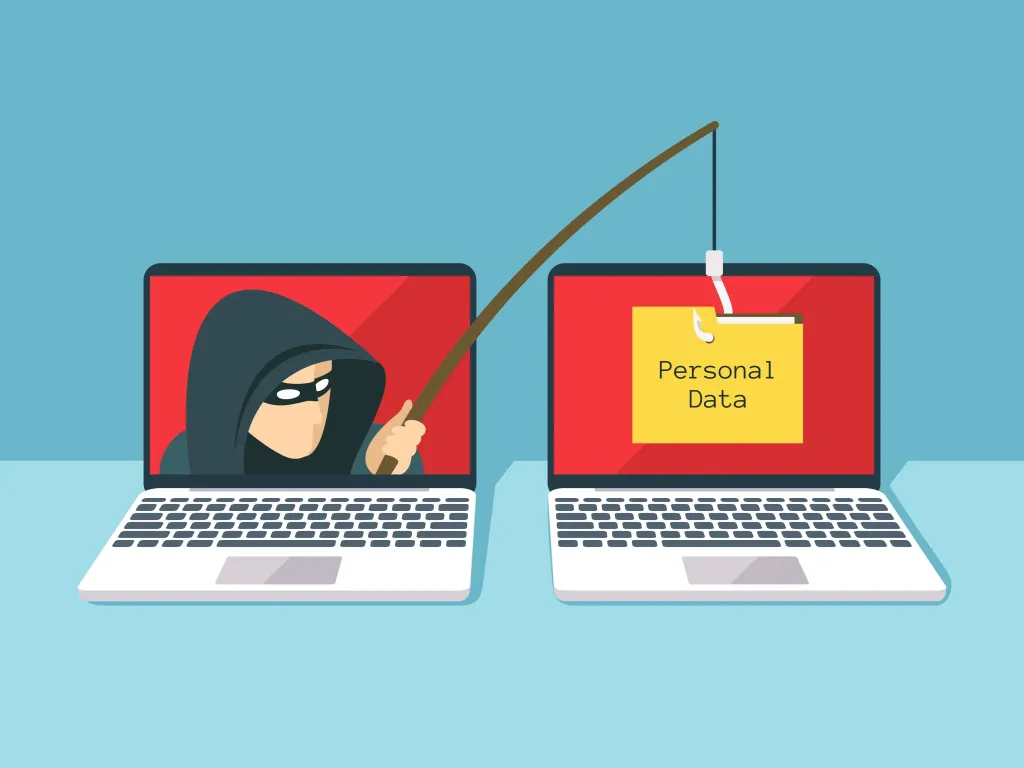
The scary part of this story is not that hackers are particularly sophisticated. It is that we make it easy.
We reuse passwords, connect to public wifi with no VPN, and even sometimes, open phishing emails that look legitimate because they are designed to.
A 2023 Google report noted that phishing remains one of the most common methods attackers use to steal account credentials, and it works because it exploits urgency, familiarity, and the assumption that we would know better.
Latest Tech News
Decode Africa's Digital Transformation
From Startups to Fintech Hubs - We Cover It All.
We wouldn't. Most of us don't.
One Point of Entry, Total Collapse
The "Sign in with Google" convenience is not inherently a problem. The problem is that we treat it like a free feature when it is actually a single point of failure.
One compromised password, one successful phishing attempt, one data breach from a third-party site that had your credentials and the attacker has free entry through every door your Google account ever opened.
There is also the crash scenario, which we talk about even less. Accounts get suspended. Google has disabled accounts before for policy violations, often without warning, and users have reported losing access to years of emails, documents, and photos instantly.
This is what happens when you build a home on rented land.
Here's What You Actually Do About It

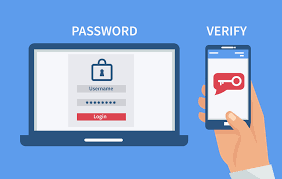
First, turn on two-factor authentication (2FA) on your Google account right now, if it isn't already on. This single step makes it exponentially harder for someone to get in even if they have your password. Google's own data suggests that 2FA blocks the vast majority of automated attacks.
Second, use a password manager. The goal is a unique, complex password for every account which is something a human brain is not built to store. Tools like Bitwarden (free) or 1Password do the storage for you.
Third, audit your connected apps. Go to your Google account settings and check every third-party app linked to it. Remove anything you no longer use. Every old connection is a potential entry point.
Fourth, back up your data. Google Takeout lets you download everything from emails to Drive files to photos, so that even in a worst-case scenario, you have not lost the content, just the access.
Fifth, stop using Gmail as the recovery address for Gmail. Set up a separate, less-exposed email specifically for account recovery.
Conclusion
None of this is particularly hard. The hard part is accepting that the convenience we have built our digital lives around is also our greatest vulnerability.
Your Google account is not just an account. It is a master key, and right now, most of us are leaving it under the doormat.
Check yours now.